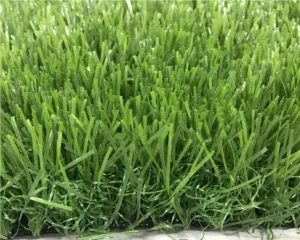
Featured Putting Greens & Sports Systems
Factory-direct golf turf and multi-sport surfaces engineered for competitive Stimpmeter ratings, resilience, and multi-climate UV stability.
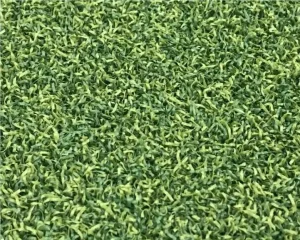
Buy Wholesale Nonslip Putting Green Turf Factories, Factory
View Product Specs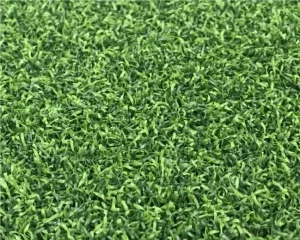
Wholesale Harmless Indoor Putting Green Turf Manufacturers, Manufacturer
View Product Specs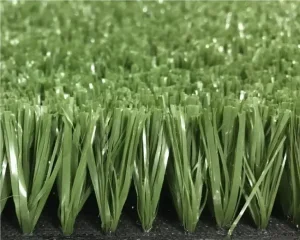
Buy Professional Sand Filled Putting Green Factories, Supplier
View Product Specs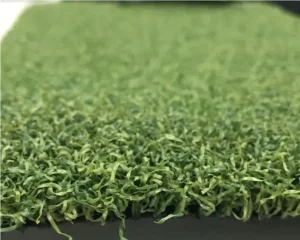
OEM Non-Sand Filled Golf Putting Green Product, Factory
View Product Specs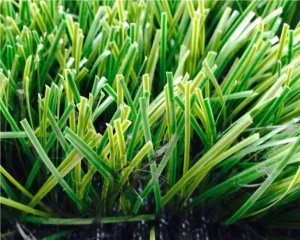
Buy Turf Soccer Field With Good Toughness Factories, Supplier
View Product Specs
OEM Non-Sand Filled Golf Putting Green Product, Factory
View Product Specs
Buy Wholesale Nonslip Putting Green Turf Factories, Factory
View Product Specs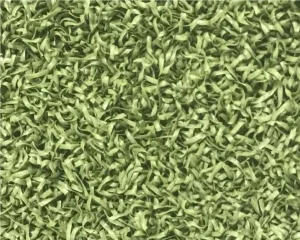
OEM FIH Approved Professional Hockey Turf Manufacturer, Factory
View Product SpecsFive Decades of Polymer Science in Putting Green Manufacturing
Unlike general landscaping grasses that prioritize cosmetic blade softness, putting green turf demands non-directional ball roll fidelity, exact Stimpmeter speed calibrations, and dimensional thermal stability under high solar irradiances.
Vertically Integrated Extrusion
Rooted in our parent group RiThai International's Taipei nylon monofilament operations since 1977, Suntex Sports-Turf Corporation (established March 2002 in Kunshan) combines five decades of yarn masterbatch compounding with high-speed precision tufting lines. This prevents fiber fibrillation degradation, surface graining, and color shedding in intensive practice greens.
Authorized TenCate Strategic Yarn Partner
Suntex has served as an authorized partner and distributor of TenCate Grass yarns since 2002. By deploying specialized texturized polyamide (PA 6/6.6) and polypropylene (PP) formulations, our putting surfaces resist directional compression and maintain true-line ball trajectories under rigorous 12,000-cycle Lisport mechanical wear testing.
Stringent Multi-Standard Compliance
Operating under stringent ISO 9001, ISO 14001, and ISO 45001 management systems, our synthetic golf products are backed by verified third-party PFAS-free testing, non-flammability certifications, and heavy-metal-free toxicological evaluations. This ensures smooth customs clearance and immediate tender qualification across North American, European, and Australasian markets.
The Strategic Advantages of Sourcing from Chinese Putting Green Factories
In the global synthetic sports surfaces sector, China represents the epicenter of complete supply chain integration—from upstream petrochemical polymer synthesis to computer-guided multi-gauge tufting and automated polyurethane backing coating.
1. Total Polymer-to-Tufting Cost Efficiency
Western importers often endure split markups between yarn extruders, primary backing weavers, and independent tufters. In contrast, advanced Chinese manufacturing hubs located in Jiangsu and Zhejiang concentrate polymer compounding, masterbatch coloration, cross-directional texturizing, and high-speed gauge tufting (3/16", 1/8", and 5/32") within integrated industrial clusters. This reduces landed procurement costs by 28% to 42% without sacrificing raw polymer tensile strength or stitch retention.
2. Unmatched Custom OEM & Private Label Flexibility
Chinese suppliers provide agile custom formulation capabilities that rigid European and American domestic mills rarely accommodate for small-to-medium runs. Global distributors can specify exact dtex levels (from 5,500 to 11,000 dtex texturized PP/Nylon), distinct color tinting (Field Green, Olive Green, Lime Bi-color, or deep Tournament Green), custom roll widths (2.0m, 3.75m, 4.0m), and bespoke brand packaging with barcoded containerization.
3. Kunshan Logistics & Deep-Water Export Speed
Suntex’s strategic production base in Kunshan sits adjacent to Shanghai Port—the busiest container terminal globally. This geographical edge translates into guaranteed 40ft High Cube container stuffing turnaround within 48 hours of manufacturing completion, consolidated LCL shipping options, and rapid freight dispatch to major ports across North America, Europe, the Middle East, and Latin America.
Ball Roll Mechanics, Stimpmeter Ratings & Fiber Science
Golf putting green performance is governed by strict mathematical friction constants. A synthetic green must deliver identical ball speed, check-spin reception, and rollout true-distance regardless of the angle of approach.
Understanding the Stimpmeter Calibration
PGA championship greens typically roll between 10.5 and 12.5 on the USGA Stimpmeter. Factory-engineered putting green turf achieves these precise thresholds by balancing texturized curl tightness (stitch density exceeding 65,000 to 88,000 stitches/m²) with pile heights calibrated between 10mm and 15mm. In contrast, recreational mini-golf turf rolls between 8.0 and 9.5 to accommodate beginner entertainment venues.
Fiber Memory: Polyamide vs. Polypropylene
Polyamide (Nylon 6.6): Features an exceptional melting point (250°C+) and elastic recovery index. It eliminates grain patterns entirely and allows heavy chip shots from 40 yards without permanently indenting the backing matrix.
Polypropylene (PP): Delivers cost-effective resilience for high-density, sand-infilled professional installations where silica sand cushions mechanical load and controls ball rolling speeds.
Secondary Backing Chemistry
A putting green is only as stable as its tuft-lock substrate. Suntex utilizes multi-layer UV-stabilized woven polypropylene backing combined with glass-fiber reinforcement scrims. For the primary coating, buyers can select cross-linked Carboxylated SBR Latex (for flexible, high-drainage residential setups) or Polyurethane (PU) compound (for non-absorbent, moisture-proof, zero-odor commercial and indoor simulators).
| System Type | Typical Pile | Yarn Polymer | Stitch Density | Infill Requirement | Target Stimpmeter | Ideal Application Scenario |
|---|---|---|---|---|---|---|
| Pro Sand-Filled Green | 12 mm – 15 mm | Fibrillated or Curled PP | 50,400 – 63,000/m² | 25–35 kg/m² Kiln-Dried Silica Sand | 10.0 – 12.5 (Adjustable) | Golf resorts, short-game academies, outdoor country clubs |
| Non-Infill Premium Nylon | 12 mm – 16 mm | 100% Texturized Nylon (PA) | 71,400 – 88,200/m² | Zero Infill Required | 10.5 – 11.5 (True Consistent) | Luxury residential backyards, indoor golf simulators, corporate terraces |
| Commercial Modular Putting | 10 mm – 13 mm | KDK Curled Polypropylene | 63,000 – 75,600/m² | Optional 5–8 kg/m² stabilizing sand | 9.0 – 10.5 | Putt-putt courses, hotels, cruise ship decks, portable rollout mats |
| Surrounding Fringe Grass | 25 mm – 35 mm | PE Monofilament + PP Thatch | 14,700 – 18,900/m² | 5–10 kg/m² sand/rubber optional | N/A (Chip practice/Baffle) | Chipping borders, rough simulation, aesthetic perimeter borders |
Engineering Solutions Across Commercial & Municipal Sectors
Putting greens are no longer confined to traditional 18-hole countryside golf courses. Modern urban architecture and entertainment concepts demand highly specialized synthetic turf engineering.
1. Luxury Residential & Rooftop Installations
Urban penthouses, villa estates, and residential master developments increasingly integrate custom backyard putting greens. These installations require non-infill texturized nylon systems that eliminate loose sand tracking indoors, resist pet waste, and maintain exceptional drainage capacity (over 60 liters/minute/m²) during heavy rainfall events.
2. Commercial Golf Simulators & Indoor Arenas
Commercial high-tech simulator bays (TrackMan, Full Swing, Foresight Sports) require ultra-flat, zero-reflection non-directional putting surfaces. Our polyurethane-backed texturized polyamide ranges absorb acoustic club impact, withstand high-velocity launch-monitor radar waves without interference, and eliminate synthetic fiber pile static.
3. Golf Training Academies & Driving Ranges
PGA training centers and municipal driving range practice greens subject artificial turf to continuous, directional foot traffic and hundreds of daily practice strokes. Suntex’s heavy-duty sand-filled PP systems provide adjustable Stimpmeter tuning via sand grooming, allowing coaches to replicate green conditions of any major tour championship.
Global Procurement Checklist: What B2B Importers Must Audit
Procuring synthetic turf at commercial scale requires meticulous due diligence. Professional buyers evaluate manufacturers across structural, environmental, and contractual metrics before issuing letters of credit.
1. PFAS Compliance & Chemical Purity
Global regulations (such as EU REACH, RoHS, and stringent US state laws like California AB 1817 and Maine LD 1503) prohibit the import of synthetic plastics containing per- and polyfluoroalkyl substances (PFAS). Factory procurement audits must require certified liquid chromatography-mass spectrometry (LC-MS) laboratory test reports proving total fluorine levels well below regulatory thresholds.
2. UV Degradation & QUV Weathering
Outdoor greens in high-UV regions (e.g., Arizona, Australia, Southern Spain, Middle East) suffer extreme ultraviolet bombardment. Buyers must verify UVA/UVB accelerated aging data (minimum 5,000 to 8,000 hours under ASTM G154) ensuring yarn retains over 80% tensile elongation and maintains zero visual color shift (Delta E < 2.0).
3. Tuft Bind & Backing Adhesion
Golfers twisting their stance during chips or repeated stance rotations exert immense torque on synthetic turf fibers. Quality specifications demand tuft bind resistance exceeding 35–45 Newtons (ISO 4919). This prevents yarn pullout and preserves green integrity during aggressive power brushing or vacuum debris extraction.
4. Container Loading Optimization
Logistics optimization is vital for maintaining margin. By engineering high-compression roll packaging with durable, tear-resistant woven poly wraps and inner plastic protective sleeves, a 40' High Cube container can hold up to 4,500–6,000 m² of putting green turf, cutting ocean freight costs per square meter to its absolute baseline.
Future Trends: Circular Sustainability & Next-Gen Polymers
The synthetic turf manufacturing industry is transitioning from legacy multi-component polymers toward fully circular, closed-loop recyclable and low-carbon production models.
Mono-Material 100% Recyclable Greens
Traditional turf couples polypropylene or polyethylene face yarns with latex backings, making end-of-life delamination and mechanical recycling prohibitively expensive. The next evolution pioneered by Suntex introduces mono-polymer structures—where the yarn, primary backing, and hot-melt coating are all derived from pure polyethylene, enabling 100% pelletized regranulation without chemical separation.
Cooling & Thermal-Reflective Masterbatch
Outdoor artificial grass can trap solar heat on hot summer afternoons. Advanced infrared-reflective pigments (IR-Blocker technology) mixed into polymer melts during extrusion reflect solar thermal infrared waves, reducing putting surface temperatures by 8°C to 15°C compared to conventional black-carbon-backed synthetic turf systems.
AI-Assisted Precision Tufting Robotics
Modern tufting lines in Kunshan integrate high-resolution optical computer vision sensors that monitor yarn tension and stitch integrity across 4-meter widths in real time. Any mis-stitch or fiber breakage automatically halts production within 5 milliseconds, guaranteeing flawless uniform grain and eliminating visual band marks from container-scale export shipments.
Technical & Procurement FAQ for Commercial Buyers
Direct answers to the most common questions raised by sports contractors, landscape wholesalers, and project specifiers.
What is the primary technical difference between sand-filled and non-infill putting greens?
How does Suntex guarantee that all synthetic grass products are PFAS-free?
Can Suntex manufacture custom pile heights and gauge specifications for OEM private label buyers?
What is the expected outdoor lifespan and warranty coverage for your putting green systems?
What are the minimum order quantities (MOQ) and production turnaround times for container shipments?
How is proper drainage handled on concrete bases versus crushed aggregate sub-bases?
Global Turf Catalog & Specialty Specifications
Explore our full line of specialized sports pitches, rough grass borders, tennis, and multi-functional high-durability surfaces.
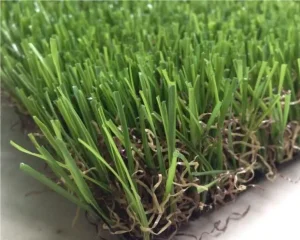
OEM High Quality Multipurpose Golf Rough Grass Factory, Suppliers
View Product Specs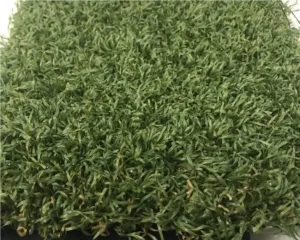
OEM Non-Infill Multi-Sport Artificial Turf Manufacturers, Products
View Product Specs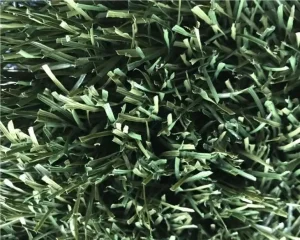
Buy FIFA Approved Turf Football Field Manufacturer, Products
View Product Specs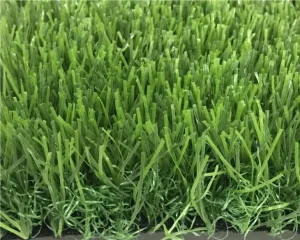
OEM Decorative Yard Grass With Good Water Permeability Factories, Supplier
View Product Specs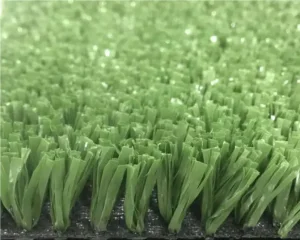
Buy Sand Filled Multi-artificial grass Manufacturer, Supplier
View Product Specs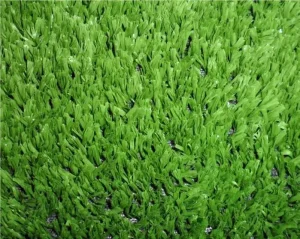
Wholesale ITF Approved Tencate Tennis Turf Factories, Factory
View Product Specs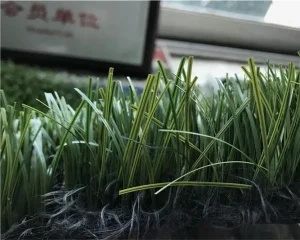
Buy Professional Fake Turf for Football Field Factories, Supplier
View Product Specs