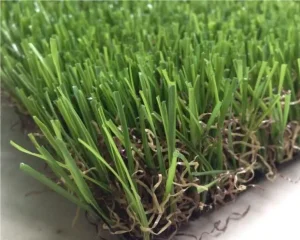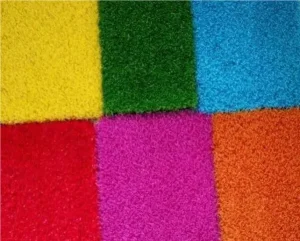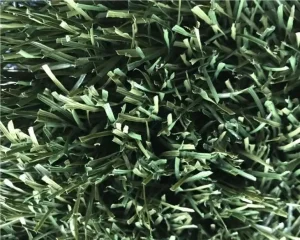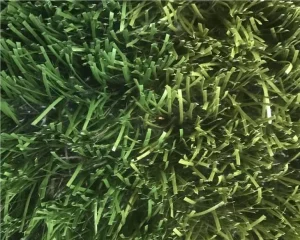
Direct-From-Factory Series
Featured Baseball & High-Impact Athletic Systems
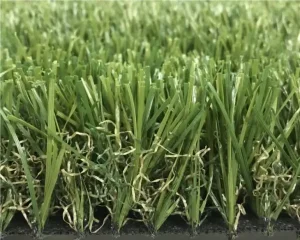
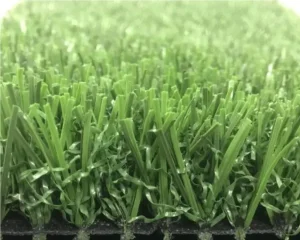
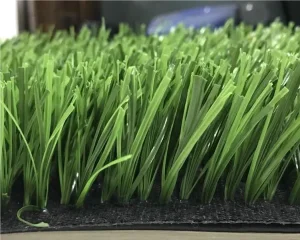
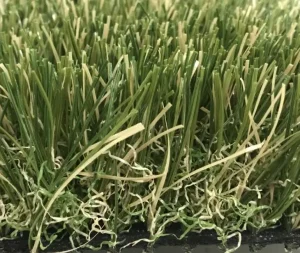
Tufted with industrial polymer integrity, optimized yarn micronaires, and specialized backing matrices for high shear athletic ballparks and training centers.
1977+
Parent Monofilament Heritage (RiThai)
2002yr
Direct Turf Manufacturing Facility Founded
30+
Export Destination Countries Worldwide
6-75mm
Ultra-Wide Tufting Line Pile Calibration
Executive Summary & Industrial Lineage
Engineering Diamond Precision: Why Polymer Chemistry Dictates Modern Baseball Playability
In high-velocity athletics, baseball turf represents the pinnacle of surface engineering complexity. Unlike standard sports pitches where multidirectional cleat traction dominates, baseball surfaces present dual biomechanical demands: hyper-predictable coefficient of restitution (COR) for low-skid true ball roll in the outfield and infield, paired with extreme shear resistance within high-torque sliding zones, batting boxes, and pitching mounds. As an authoritative baseball turf manufacturer and factory, Suntex Sports-Turf (Kunshan) Corporation bridges the gap between laboratory polymer science and real-world diamond durability.
Suntex has been manufacturing high-performance synthetic surfaces since March 2002. Our structural authority traces directly to our parent company, RiThai International, which pioneered nylon monofilament extrusion engineering in Taipei in 1977. Rather than procuring commoditized yarn from unverified external brokers, our production lines benefit from nearly five decades of macromolecular masterbatch formulation, specialized UV stabilization compounding, and precision spinning. Coupled with our long-standing partnership as an authorized distributor of TenCate turf yarn since 2002, our facility guarantees complete fiber traceability, structural resilience, and strictly certified PFAS-free, non-toxic environmental compliance.
Operating under integrated ISO 9001, ISO 14001, and ISO 45001 quality and environmental management protocols, our Kunshan factory engineers purpose-built turf systems ranging from 6 mm ultra-dense texturized surfaces to 75 mm multi-filament football and multi-sport builds. We supply stadium contractors, municipal sports authorities, commercial sports dome developers, and private club academies globally with tailor-engineered baseball turf solutions.
Global Market Analysis
The Economics of Diamond Transformation: Natural Grass vs. Engineered Synthetic Turf
Data-driven evaluation of maintenance capital expenditure, usable weather-independent operational hours, and life-cycle environmental ROI across world athletic infrastructures.
Across North America (NCAA, Minor League, and municipal parks), East Asia (NPB, KBO, CPBL), and burgeoning European and Latin American leagues, the athletic surface infrastructure sector is rapidly adopting synthetic conversions. The fundamental driving forces are climatic vulnerability, intense seasonal water deficits, and the commercial imperative for 365-day athletic facility monetization.
| Performance / Financial Metric | Natural Kentucky Bluegrass / Clay Base | Suntex Engineered Baseball System | Engineering Strategic Advantage |
|---|---|---|---|
| Annual Playable Hours | 350 – 500 hours (weather-limited) | 2,500 – 3,200+ hours | 6x higher asset utilization; no rainout cancellations |
| Annual Water Consumption | 1.8M – 3.2M Gallons per diamond | 0 Gallons (rinse only) | 100% municipal drought compliance & water savings |
| Maintenance Overhead (10-Yr) | $45,000 – $75,000 annually | $6,000 – $12,000 annually | Eliminates mowing, aeration, clay grading & reseeding |
| True Ball Bounce Deviation (COR) | Variable (±18% based on soil moisture) | Consistent (±3% laboratory verified) | Eliminates violent bad hops, protecting infielders |
| Sub-Surface Drainage Velocity | 20 – 50 mm/hour (soil saturation capped) | > 500 – 1,200 mm/hour (perforated backing) | Rapid post-storm playability within 20 minutes |
All-Weather Playability
Eliminates frozen mud in early-spring collegiate schedules and saturated clays during monsoon cycles. Ensures multi-tournament weekend execution without schedule disruptions.
Commercial Rent ROI
Municipal and private facilities transform capital expenditures into profitable venues. One synthetic baseball complex accommodates youth leagues, adult tournaments, soccer, and community camps.
Ecological Decarbonization
Completely eradicates petrochemical chemical run-off, artificial fertilizers, pesticides, and internal combustion mower emissions, aligning municipal stadiums with global ESG agendas.
Architectural Layouts
Zonal Diamond Engineering: Tailored Specifications by Application Scenario
Different zones of a baseball diamond experience distinct mechanical shear stresses. Suntex engineers specialized yarn geometries for each field sub-sector.
Infield & Clay Mimic
Pile: 30-40 mm PE + Dense Thatch
Features reddish-brown texturized filaments combined with calibrated rounded silica sand and rubber infill. Engineered for accurate ground-ball slides without cleat chatter or skin friction burns.
Outfield High Velocity
Pile: 45-55 mm Monofilament
Engineered using spine-reinforced C-Shape or Diamond fibers to prevent matting under heavy continuous outfield running. Balances foot sprint velocity with predictable rotational traction.
Mounds & Batting Boxes
Pile: 12-18 mm High-Dtex Nylon (PA)
The ultimate extreme-wear solution. Heavy-denier Polyamide 6,6 texturized yarn with dense stitch rates withstands direct metal cleat rotational pivoting and explosive pitching push-offs.
Indoor Cages & Domes
Pile: 10-15 mm Padded Backing
Seamless integration with bonded 5 mm - 10 mm cross-linked closed-cell PE shock pads. Eliminates the necessity for loose rubber infill indoors while controlling noise pollution and ricochets.
Biomechanical Tribology
Player Safety Engineering: Impact Attenuation, G-Max, and Sliding Friction
Balancing athletic joint preservation, non-concussive shock attenuation, and controlled rotational torque across high-speed baseball plays.
In high-intensity baseball plays, sudden stops, diving catches, and aggressive spikes-in slides create complex mechanical stresses on human joint systems. Inadequate synthetic turf formulations lead directly to anterior cruciate ligament (ACL) strains, turf toe hyperextensions, and abrasive skin burns. Suntex designs athletic systems with holistic multi-layer polymer shock attenuation:
G-Max Dynamic Impact Control
Compliant with ASTM F1936 standards. Our layered shock-pad systems ensure field ratings remain consistently within 90 - 115 G-max over a 10-year lifespan, avoiding hard soil compaction and protecting diving fielders from concussions.
Controlled Rotational Torque
Engineered between 35 - 45 Nm according to EN 15301-1 testing protocols. Provides safe traction for explosive sprint take-offs while releasing clean rotational shoe torque during abrupt stops, reducing joint shear strain.
Low-Friction Skin Sliding
Utilizing medical-grade polyolefin copolymers with integrated slip masterbatch additives. Mitigates sliding skin temperatures by 4.8°C compared to standard fibrillated fibers, preventing second-degree friction abrasions on player thighs and forearms.
Manufacturing Infrastructure
China Factory Ecosystem: Vertically Integrated Resilience, Quality Assurance & Scale
How our Kunshan facility leverages 45+ years of monofilament expertise, automated high-gauge tufting, and port logistics to provide competitive advantages to global contractors.
In global industrial synthetic turf sourcing, supply chain fragility causes costly installation delays. Suntex Sports-Turf (Kunshan) Corporation operates within the Yangtze River Delta advanced polymer industrial corridor, giving our plant unique structural efficiencies:
Full In-House Vertical Control
From raw resin pellet compounding (PE, PP, PA, PET), monofilament extrusion, and twisting, to computerized tufting and automated PU/Latex secondary coating. Total process control ensures zero batch-to-batch color shifts or backing delamination.
Rigorous QA Metrology Lab
Equipped with Lisport mechanical wear simulators, Xenon arc accelerated UV weathering chambers (tested past 5,000 hrs ASTM G154), tuft bind pull-testers (>45 N force threshold), and hydrostatic drainage testers.
Containerized Logistics Scalability
Located close to Shanghai International Port. Optimized custom roll-length manufacturing matches contractor field dimensions exactly, minimizing on-site cuts, reducing waste by up to 14%, and lowering ocean freight costs.
Regulatory Rigor
Compliance Certifications, Safety Protocols & Localized Field Support
International environmental documentation, toxicological clearance, and pre-sales engineering layouts for smooth tender approvals.
100% PFAS-Free Certification
Independently tested by SGS & TÜV under total fluorine combustion chromatography. Free from per- and polyfluoroalkyl substances (PFAS), compliant with EU REACH Annex XVII, California Proposition 65, and US EPA guidelines.
Flame Retardant & Toxic-Free
EN 13501-1 Class Cfl-s1 fire reaction ratings available for covered domes and indoor batting cages. Fully free of heavy metals (Lead, Cadmium, Mercury, Chromium VI) under EN 71-3 safety directives.
Full CAD Seam & Roll Layouts
Our engineering design office generates seam-placement CAD schematics, baseball base line cut-in diagrams, and water evacuation slope simulations to ensure simple on-site contractor installation.
R&D Pipeline
Technology Roadmap: The Future of Synthetic Baseball Diamonds
Exploring advanced polymer recyclability, surface temperature reduction, and digital micro-sensing technology for next-generation sports arenas.
Phase 1
CoolTurf Infrared Reflection
Deployment of hollow-core, thermal-dispersing core pigments that reflect near-infrared radiation (NIR), lowering artificial turf temperatures by 8°C - 12°C without field sprinklers.
Phase 2
Mono-Polymer Circularity
Development of 100% recyclable, circular PE-face and PE-backing systems. Eliminates multi-material separation hurdles, enabling end-of-life turf to be re-pelletized into new yarn products.
Phase 3
Non-Infill Diamond Systems
High-density, multi-layer texturized micro-coils engineered to mimic clay infield slides and true bounces completely without loose rubber infill granules, meeting emerging microplastic restrictions.
Phase 4
Smart-Sensor Integration
Sub-surface piezoresistive sensors embedded in the primary backing fabric to measure player acceleration, base-path sprint speeds, and turf sub-base compaction wear in real time.
Technical Clarifications
Frequently Asked Questions for Project Specifiers & Importers
Clear answers on materials, ASTM standards, maintenance procedures, and private label customization from Suntex engineers.
How does baseball turf yarn differ structurally from soccer or landscape turf?
Soccer turf generally relies on high-pile (50-60 mm) open monofilament fibers paired with deep performance infill to absorb slide energy and facilitate ball roll. In contrast, baseball turf systems, especially in the infield, require ultra-dense, multi-fiber texturized thatch configurations (30-40 mm) with specialized high-micronaire cross sections. This architecture prevents the ball from burying in the tufts, preserving a rapid, low-deflection bounce characteristic (matching natural clay diamonds) while resisting high-torque multidirectional cleat abrasion.
Can metal baseball cleats be safely utilized on Suntex synthetic fields?
Yes. When installing our high-dtex polyethylene (PE) outfield configurations and specialized nylon (PA 6,6) texturized infield and batting-box solutions, the surface withstands standard metal cleats. For high-stress areas (pitcher mounds and batter boxes), we recommend our modular high-density nylon inserts, which can be easily detached and refreshed every 2-3 seasons without replacing the surrounding field turf.
What infill ratio is recommended for synthetic baseball infields?
A standard high-performance baseball infield specification calls for a dual-component or hybrid infill structure: a foundational ballast layer of sub-angular, dust-free silica sand (20/40 mesh, 70% of total infill weight) to secure tuft verticality, capped with a performance top layer of cryogenic SBR, TPE, or coated ceramic infill (30% by weight). For multi-use fields and indoor facilities, Suntex also supplies dense, thatch-supported non-infill turf systems.
How does Suntex verify its PFAS-Free status across production lines?
Our factory operates dedicated, non-contaminated polymer extrusion lines. Raw materials (C6 PE, virgin PP, and high-impact Nylons) are analyzed for total organic fluorine using oxygen bomb combustion and ion chromatography (threshold < 50 ppm). Comprehensive test reports from accredited third parties (SGS/TÜV) accompany every export container, protecting contractors from legal liabilities under state and EU environmental statutes.
What is the typical drainage capacity of a Suntex-engineered diamond?
Suntex tufted synthetic turf systems feature precision die-cut drainage perforations spaced 10 cm x 10 cm apart, delivering vertical drainage rates exceeding 500 to 1,200 mm/hour (exceeding DIN 18035-7 guidelines). On a properly engineered open-graded aggregate base or sub-surface drain-tile grid, the ballpark evacuates torrential storm waters rapidly, returning to full playable status within 15-20 minutes after rain stops.
Does your factory offer private label and OEM customization for brands?
Yes. As an authentic OEM manufacturer, Suntex provides full private-label services to sports field builders and international turf brands. This includes tailored fiber dtex and cross-sectional geometries, custom tufting gauge and stitch densities, bespoke color calibrations (e.g., Clay Red, Field Green, Emerald Green, Warning Track Ochre), branded roll-edge labeling, custom protective wrapping, and CAD roll optimization.
Extended Turf Catalog
Specialty Sports & Multipurpose Synthetic Solutions
Engineered for championship performance across golf putting fairways, FIFA-grade football pitches, high-traffic school complexes, and rugby fields.