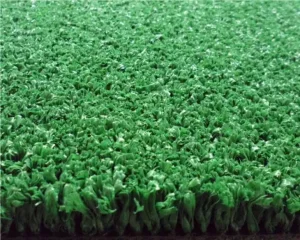
High-Performance Pitch Surfaces for South Asian Athletic Complexes
Combining TenCate polymer filaments with dual-layer dimensionally stable backing, precision engineered to meet international safety and ball-rebound standards.
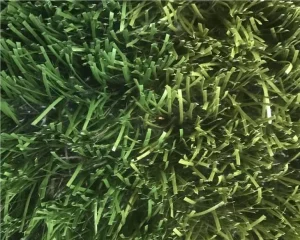
Wholesale High Quality TenCate Rugby Surface Turf for Indian Stadiums
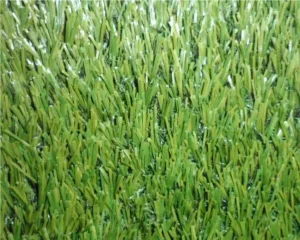
Wholesale Artificial Baseball & Multi-Sport Turf Factories, Suppliers
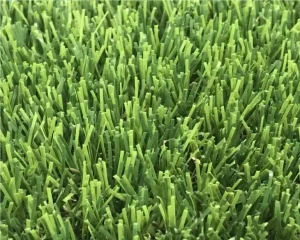
Buy Best Non-Toxic Kids Multi-Play & Rugby Training Grass Manufacturer
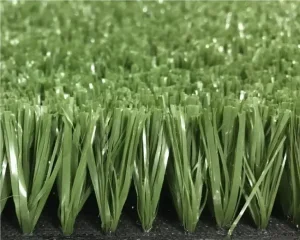
Buy Professional Sand Filled Precision Putting & Club Green Turf
The Rugby Turf Infrastructure Shift Across India
From Odisha's grassroots revolution to national collegiate sports expansion, synthetic turf is resolving the complex environmental and maintenance bottlenecks of South Asian athletics.
Monsoon Drainage & High-Saline Coastal Soil
Indian playing fields face annual monsoonal deluge rates exceeding 1,200 mm to 2,500 mm in states like Maharashtra, West Bengal, and Kerala. Natural turf turns into dangerous mud pits, halting competition for 4 months. Engineered synthetic turf featuring high-flow perforation backings (>2,500 mm/hour water permeation) guarantees all-weather playability regardless of downpours.
Government Mandates & Khelo India Mission
The Ministry of Youth Affairs and Sports and initiatives like Khelo India have injected institutional capital into university arenas, district training facilities, and military academies. Municipal tenders explicitly demand certified artificial sports systems capable of supporting dual rugby/football usage with lower life-cycle water and diesel maintenance expenditures.
Extreme Solar Irradiance & Thermal Wear
Summer surface temperatures in Delhi NCR, Gujarat, and Rajasthan regularly top 46°C, causing traditional polyolefin filaments to become brittle, bleach, and split under stud shearing forces. Our specialized masterbatches integrate automotive-grade C8-UV stabilizers and non-glare thermal diffusion tech, sustaining elongation values after 5,000+ hours of intense UVA/UVB exposure.
World Rugby Regulation 22: The Safety Benchmark for Impact & Traction
Unlike standard soccer turf, a rugby synthetic surface is governed by stringent athlete protection metrics designed to prevent traumatic brain injuries, skin abrasions, and ligament damage during high-velocity scrums and tackles.
Head Injury Criterion (HIC) & Shock Absorption
Under World Rugby Regulation 22, artificial turf systems must guarantee a minimum Critical Fall Height (CFH) of at least 1.3 meters throughout the lifetime of the installation. When a rugby player is tackled or falls from an aerial line-out contest, the impact severity to the cranium is evaluated using the HIC value, which must remain strictly beneath 1000.
To achieve this, our engineering integrates specialized cross-linked expanded polyethylene (XPE) or in-situ poured elastic shock pads (15 mm to 20 mm) underneath high-dtex polyethylene tufts. This composite structure balances energy restitution (ensuring players do not feel leg fatigue) with critical deceleration shock absorption (absorbing up to 60-70% of impact energy).
In extreme ambient heat (e.g., Northern Indian plains), cheap SBR crumb rubber infill hardens and elevates surface compaction. We formulate specialized cryogenic EPDM or virgin TPE infills with anti-compacting washed quartz silica sand to maintain certified HIC shock absorption values year-round.
Skin Friction Coefficient & Stud Traction Dynamics
Scrummaging and rucking subject synthetic turf blades to immense multi-directional horizontal shear stresses exceeding 12,000 Newtons per square meter. Standard fibrillated fibers rapidly shear off, causing bald patches and excessive skin friction burns for players.
Our factory utilizes TenCate heavy-duty Diamond and C-shaped monofilaments with yarn counts reaching up to 16,500 to 18,000 Dtex and thicknesses exceeding 380 to 420 microns. The curved blade profiles provide structural resilience (springing back upright instantly after scrum collapse) while reducing epidermal friction coefficients to safely mimic high-grade natural Bermuda or Rye grass.
Certified via 20,200 cycles on the Lisport XL stud roll tester, proving zero structural fibril fibrillation and minimal loss of pile height under 5+ years of daily collegiate use.
Rugby Turf Engineering Matrix vs Conventional Sports Turf
| Performance / Structural Parameter | Certified Rugby Turf System | Standard Soccer / Football Turf | Indian Climatic Adaptation Benefit |
|---|---|---|---|
| Pile Height Specification | 60 mm – 65 mm | 40 mm – 50 mm | Accommodates deep infill column (35-40mm) for maximum slide & stud penetration |
| Yarn Linear Density (Dtex) | 15,000 – 18,000 Dtex Monofilament | 8,800 – 12,000 Dtex | Thicker blade core prevents splitting under intense UV and abrasive South Asian dust |
| Underlay Shock Pad Requirement | Mandatory (15mm – 20mm XPE/PU) | Optional / Infill-dependent | Compensates for hardened concrete/stone sub-bases common in Indian municipal facilities |
| Critical Fall Height (CFH) | ≥ 1.3 meters (HIC < 1000) | ≥ 0.8 meters – 1.0 meters | Protects junior and senior athletes from concussions during scrums and aerial lineouts |
| Infill System Composition | Washed Silica Sand (30kg) + TPE/EPDM (10kg) | Silica Sand + Raw SBR Rubber | Mitigates high surface temperatures; prevents odorous off-gassing during humid monsoons |
| Backing Coating Technology | Polyurethane (PU) or Reinforced Secondary Latex | Standard Styrene-Butadiene Rubber (SBR) | Total resistance to root rot and water immersion during waterlogged monsoon pooling |
Precision Chinese Manufacturing Serving Indian Contractors
Combining five decades of polymer yarn heritage with high-throughput automated tufting lines to supply the Indian sports market with speed, quality consistency, and unmatched economics.
Unmatched Economies of Scale
By controlling the complete vertical value chain—from masterbatch polymer compounding and TenCate fiber extrusion to automated gauge tufting and secondary PU backing application—our manufacturing lines bypass multi-tier European markups. Indian sports facility builders access tier-1 World Rugby specification materials at direct OEM wholesale prices.
Optimized Maritime Logistics to Indian Hubs
Located near major deep-water ports (Shanghai/Ningbo), container shipments are routinely dispatched via express ocean routes directly to Nhava Sheva (JNPT Mumbai), Chennai Port, Mundra, and Kolkata. Full container loads (40ft High Cube holding up to 4,200 m² of 65mm turf) reach Indian ports within 14 to 22 transit days, with full BIS and customs documentation provided.
Strict Quality Control & Traceability
Operating under stringent ISO 9001, ISO 14001, and ISO 45001 audited frameworks, every single production roll undergoes rigorous tuft withdrawal force tests (>45 N), dimensional thermal expansion checks, and secondary backing adhesion verification. You receive batch-specific lab certification before container dispatch.
Planning a Rugby Pitch or Multi-Sport Complex in India?
Speak directly with our chief turf engineer. We offer complete project roll layouts, seaming tape calculations, infill specification guidance, and CIF Nhava Sheva / Chennai port quotations.
Optimizing Rugby Turf Across Indian Soil & Climate Profiles
A successful synthetic rugby pitch installation in India hinges on understanding localized geotechnical dynamics, aggregate drainage chemistry, and high-frequency multi-sport utilisation.
1. Multi-Purpose Dual Line Pitch Design
Most Indian universities, armed forces centers, and sports academies cannot dedicate a full 100m x 70m pitch solely to rugby. We factory-weave or precision-inlay multi-color permanent lines: brilliant white for FIFA-regulation football and vibrant yellow or navy blue for Rugby Union/Sevens. This doubles institutional revenue and field scheduling hours without needing surface repainting.
2. Black Cotton Soil & Sub-Base Drainage
Expansive black cotton soil in central and western India (Madhya Pradesh, Maharashtra) expands significantly when wet and shrinks when dry, cracking sub-bases. We engineer custom geotextile membrane recommendations combined with dynamic stone crushed rock aggregate profiles (0-40mm unbound stone base) to prevent pitch undulating while allowing torrential rains to escape immediately into sub-surface collector pipes.
3. High-Traffic Community Durability
Commercial sports academies in Bengaluru, Mumbai, and Hyderabad host 8 to 14 hours of continuous daily play, including cricket conditioning, football leagues, and rugby scrimmages. Our reinforced double PP backing with secondary Polyurethane locking prevents tuft pull-out even when players wear heavy molded boots or aggressive cleated footwear in competitive scrimmages.
Sustainable Polymeric Evolution: PFAS-Free & Circular Systems
Global sports governing bodies and environmental watchdogs are enforcing stringent standards against hazardous chemicals and microplastic runoff. Our modern production lines lead this global transition.
100% PFAS-Free & Heavy-Metal Compliant Extrusion
Per- and polyfluoroalkyl substances (PFAS) commonly used in processing extrusion aids are being phased out internationally due to toxic bioaccumulation. Our plant utilizes cutting-edge fluoro-free processing lubricants and non-heavy metal pigment masterbatches. All exported turf rolls come with documented third-party REACH, RoHS, and comprehensive safety test certificates, ensuring zero toxic chemical leaching into groundwater reservoirs during Indian monsoon saturation.
Microplastic Migration Mitigation & Infill Containment
With the European Union and global federations tightening microplastic dispersion thresholds, our latest rugby field designs incorporate patented blade curl thatch layers and engineered perimeter barrier drains. This keeps organic or polymer infills locked firmly within the lower root zone of the turf matrix, drastically reducing granule splash-out during heavy sliding tackles and eliminating environmental discharge into municipal municipal stormwater mains.
Procurement & Engineering Questions Answered
Key information for Indian municipal authorities, sports contractors, infrastructure developers, and university athletic directors looking to source directly from our manufacturing facilities.
What is the exact pile height requirement for World Rugby Regulation 22 compliance in India?
For a dedicated or dual-purpose rugby surface, World Rugby Regulation 22 specifies a pile height between 60 mm and 65 mm when combined with a certified performance shock pad (typically 15 mm to 20 mm). The turf must be filled with a calibrated layer of round-grain quartz silica sand (minimum 30-35 kg/m²) for structural weight and ballast, followed by a top performance infill (10-12 kg/m² of TPE, EPDM, or cork) to provide rotational traction and athlete cushioning.
How does synthetic rugby turf endure the extreme summer heat of Delhi NCR, Rajasthan, and Gujarat?
Under intense UV radiation and ambient temperatures reaching 45°C+, standard polyethylene fibers can lose tensile strength and become brittle. We extrude our rugby filaments using imported automotive-grade anti-UV masterbatches (C8 hindered amine light stabilizers / HALS). This limits molecular photo-oxidation, preserving over 85% of fiber elongation and tensile toughness even after 5,000 continuous hours of intense accelerated xenon arc weathering.
Can a single synthetic field support both professional Rugby Sevens/Union and FIFA football in India?
Yes. Dual-certification is one of our primary specialties for Indian institutional stadiums. A 60 mm monofilament turf system installed over an approved shock pad can simultaneously satisfy FIFA Quality / Quality Pro ball roll and bounce requirements as well as World Rugby Reg 22 impact absorption (HIC < 1000, CFH ≥ 1.3m) and skin friction thresholds. Inlaid dual-color lines provide seamless visual clarity for both codes.
What is the typical shipping lead time and customs clearance process for Indian ports?
Production for a standard 8,000 m² full-sized rugby field takes approximately 10 to 14 working days at our modern tufting plant. Maritime transit from our nearest ports to Nhava Sheva (JNPT Mumbai) or Chennai Port ranges between 14 to 20 days. We provide comprehensive documentation packages for Indian customs: Certificate of Origin, Bill of Lading, Commercial Invoices, Packing Lists, and third-party laboratory quality inspection certificates to ensure frictionless clearance.
Why is Polyurethane (PU) backing superior to traditional latex for Indian monsoon conditions?
Traditional Styrene-Butadiene Rubber (SBR) latex backings can degrade and soften over years of prolonged submersion in waterlogged conditions typical of Indian monsoon rains. Polyurethane (PU) backing offers zero water absorption, complete mold resistance, and superior tuft lock strength (>55 N vs ~35 N for latex). Even during torrential monsoon pooling, the turf backing remains structurally stable without dimensional shrinkage or curling.
What maintenance routine is needed to maintain certified HIC shock absorption over a 10-year lifespan?
Weekly drag-brushing (with a triangular brush) is required to de-compact the performance infill and keep the 60mm fibers standing vertically. Periodic decompaction using a specialized rotary rake prevents infill hardening caused by airborne dust and clay particulate deposition, ensuring the surface continues to achieve its certified Critical Fall Height safety rating throughout its 8 to 10-year operational life.
Full-Spectrum Synthetic Turf Systems Engineered for Export
Explore our complete manufacturing portfolio covering specialized athletic fields, multi-sport training centers, commercial leisure, and landscape applications.
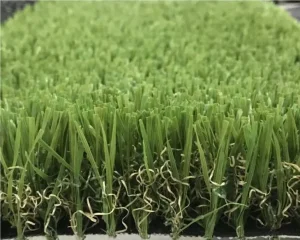
OEM Drainable Synthetic Pet & Multi-Zone Turf for Commercial Facilities
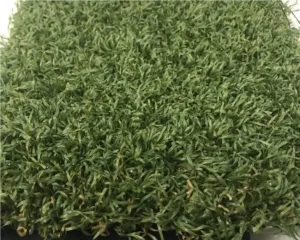
OEM Non-Infill Multi-Sport Synthetic Turf for Indian School Arenas
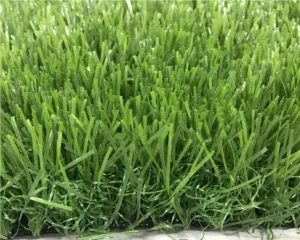
Buy Easy To Clean Rapid-Drying Commercial Turf for Indian Sports Clubs
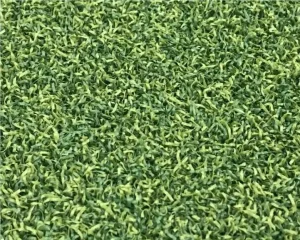
Buy Wholesale Non-Slip Training & Putting Green Turf Factories, Factory
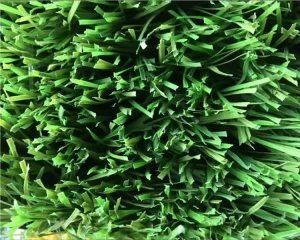
Wholesale High Quality Football & Rugby Field Grass Manufacturers
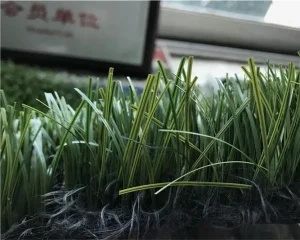
Buy Professional High-Resilience Stadium Turf for Football & Athletics
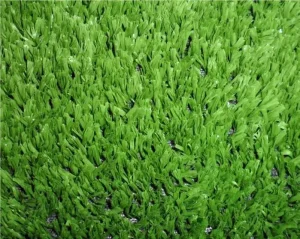
Wholesale ITF Approved TenCate Tennis & Club Turf Factories, Factory