Engineered Landscape Series: Priority Selections
Premium monofilament and texturized yarn profiles optimized for direct B2B deployment across Auckland, Wellington, Christchurch, and regional New Zealand installations.
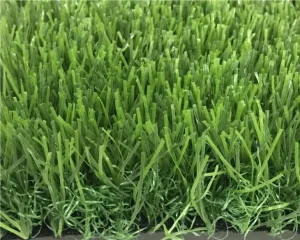
New Zealand Residential: OEM High-Permeability Decorative Yard Turf
View Product Specs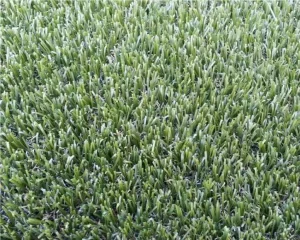
Australasia Grade: OEM High-Density UV-Shield Turf for Garden Lawns
View Product Specs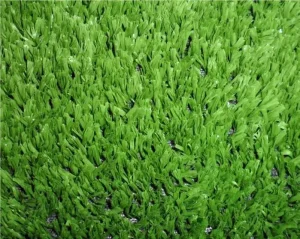
New Zealand Club Grade: Wholesale ITF Certified TenCate Tennis Turf
View Product Specs
Architectural Series: Precision High-Density UV-Resistant Synthetic Grass
View Product SpecsNew Zealand & Global Commercial Landscape Overview
Analyzing key structural shifts in polymer specifications, environmental mandates, and civil building codes reshaping artificial turf sourcing across the Oceania region.
The global artificial turf sector is undergoing an accelerated pivot from low-tier decorative green carpeting to highly engineered bio-mechanical polymers and microplastic-contained backings. In the **New Zealand market**, this transition is uniquely intensified by geographical, meteorological, and municipal realities. Characterized by exceptionally high atmospheric clarity and proximity to the Antarctic ozone depletion zone, New Zealand experiences peak daytime Solar UV Indices often exceeding 12 during summer. Standard polyolefin materials formulated for European or North American irradiance degrade, chalk, and lose tensile flexibility within 24 to 36 months when exposed to the southern sun.
Consequently, professional landscape architects, civil contractors, and regional distributors across Auckland, Wellington, Tauranga, and Christchurch have instituted rigorous technical barriers. Turfs imported into New Zealand must demonstrate compliance with **AS/NZS standards** for artificial surfaces, alongside advanced photostabilizer packages utilizing Hindered Amine Light Stabilizers (HALS). Concurrently, rapid urbanization in major centers has placed severe strain on stormwater reticulation infrastructure. Local building regulations (such as the Auckland Unitary Plan) have imposed stringent impermeable surface area maximums on residential sections, shifting turf from a purely aesthetic landscaping option to a technical hydrological asset that must provide unimpeded sub-base drainage.
Technical Roadmap: Overcoming Australasia's Degradation Challenges
Deep-layer polymer science, fiber cross-section selection, and coating mechanics tailored to harsh regional conditions.
Multi-Tier HALS Stabilizers
Yarn masterbatches utilize synergistic low-molecular and high-molecular weight Hindered Amine Light Stabilizers. This configuration arrests both surface photolytic cleavage and structural core embrittlement under intense New Zealand ultraviolet irradiation.
Zero-Ponding Backing Mechanics
Engineered backing layers integrate targeted punch patterns or high-porosity polyolefin matrix backings yielding drainage rates exceeding 2,500 mm per hour, handling cyclonic subtropical rainfall events in Northland and Auckland without pooling.
Eco-Conscious Non-Toxic Safety
Independent toxicological validation verifying complete absence of lead, cadmium, phthalates, and persistent per- and polyfluoroalkyl substances (PFAS), fulfilling strict New Zealand Ministry for the Environment workplace and domestic exposure guidelines.
| Specification Parameter | Standard Global Commodity Turf | New Zealand Specific Engineered Turf | Operational Impact & B2B Value |
|---|---|---|---|
| Yarn Polymer Base | Recycled or low-spec C4 Polyethylene | 100% Virgin C6/C8 Octene-grade PE / TenCate Resins | Superior elongation at break, zero splintering under repeated flex |
| UV Photostability | 3,000–5,000 Hours QUV Accelerated Exposure | 8,000–12,000 Hours QUV / Heavy HALS Loading | Eliminates premature color shift and fiber shredding for 10+ years |
| Secondary Backing | Basic SBR (Styrene-Butadiene Rubber) Latex | Enhanced SBR or 100% Recyclable Polyolefin Coating | High tuft-lock strength (>45N), impervious to continuous soil dampness |
| Drainage Capacity | Standard perforations (~800–1,200 mm/hr) | High-frequency micro-holes (>2,000 mm/hr) | Conforms directly to local storm council run-off restriction limits |
| Environmental Safety | Self-certified / Variable origin documentation | Third-party PFAS-Free, Reach SVHC & Heavy-Metal Tested | Permits direct specification in schools, public councils, childcare centers |
Localized Commercial & Civil Application Scenarios
How landscape architects, civil developers, and property asset managers in New Zealand implement precision turf systems.
Medium-Density Residential Infill
With urban density increasing across Auckland and Christchurch, zero-maintenance, high-traffic artificial turf provides pristine courtyards where natural grass dies from shade, compact soils, and mechanical wear.
Educational & Council Childcare
Certified non-toxic, non-abrasive turf systems paired with critical-fall-height compliant shock pads. Designed to endure non-stop playground traffic without producing mud or requiring toxic herbicides.
Coastal & High-Salinity Hospitality
Designed for waterfront resorts, golf clubs, and boutique lodges in the Bay of Islands or Queenstown where salty ocean winds, heavy frost, or drought-driven water restrictions render natural turf maintenance unviable.
Full Manufacturing Portfolio: Certified Applications
Comprehensive wholesale and OEM artificial turf solutions for putting greens, playgrounds, landscape lawns, and international federation certified athletics.
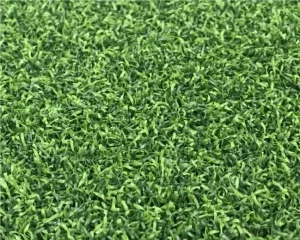
New Zealand Club: Wholesale Harmless Putting Green Turf
View Product Specs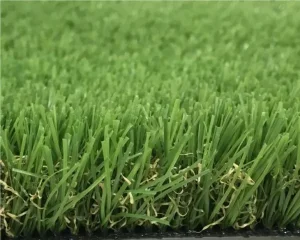
Oceania Eco Series: Non-Toxic Eco Lawn Turf Systems
View Product Specs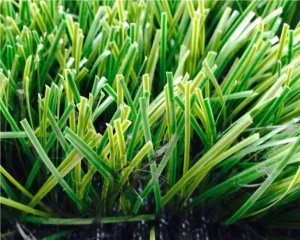
Heavy Duty Athletics: High-Toughness Soccer & Field Turf
View Product Specs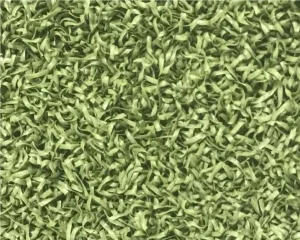
Tournament Pitch: OEM FIH Approved Hockey Surface Turf
View Product Specs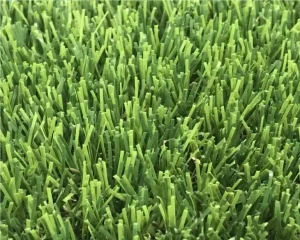
Early Learning Safe: Non-Toxic Playground Grass Systems
View Product Specs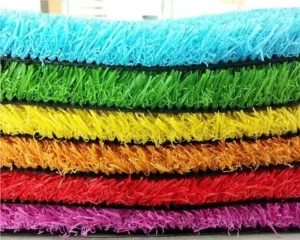
Architectural Elite: Durable Ornamental Decorative Turf
View Product Specs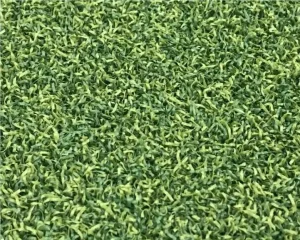
True-Roll Golf Series: Nonslip Putting Green Systems
View Product Specs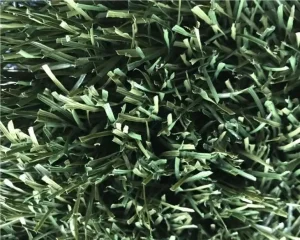
Stadium Level: FIFA Standard Football Synthetic Turf
View Product SpecsDirect B2B Import & Freight Optimization for New Zealand Ports
Overcoming container shipping costs and customs quarantine protocols with structured production scheduling and dedicated packing engineering.
Direct supply chain management for the Australasian corridor requires specialized industrial preparation. As New Zealand maintains strict biosecurity import inspection protocols through the Ministry for Primary Industries (MPI), artificial turf consignments must arrive free of soil remnants, organic seeds, or biological contaminants. Our export logistics protocols mandate enclosed indoor container loading with dual-layer heavy-duty polyethylene tubular wrapping and fumigation documentation.
To maximize freight efficiency into **Ports of Auckland, Tauranga, and Lyttelton**, rolls are custom tufted in 2.0-meter and 3.75-meter (or 4.0-meter) widths. These dimensions align with both container interiors and standard New Zealand residential garden boundary cuts, reducing cutting waste on-site by up to 18%. Combined with roll-length tailoring according to contractor blueprints, commercial importers experience reduced laydown labor and freight expenditure per square meter.
Frequently Asked Technical Questions (FAQ)
Direct technical guidance on importing, installing, and certifying artificial grass in New Zealand.