
B2B Engineering & Supply Chain Architecture
Hot Products Factories & Factory for the Uzbekistan Market
Direct Tier-1 Industrial Artificial Turf and Synthetic Polymer Manufacturing Systems Tailored for High-Aridity Landscapes, Municipal Urban Greening, and Professional Sports Complexes Across Tashkent, Samarkand, and the Fergana Valley.
Send Inquiry NowPriority Deployments
Engineered Synthetic Turf Formulations for Central Asian Climates
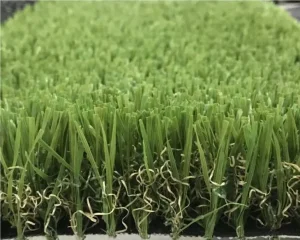
High-performance polymers synthesized to withstand extreme thermal fluctuations ranging from -20°C in continental winters to +48°C in arid summers, ensuring dimensional stability and fiber integrity.
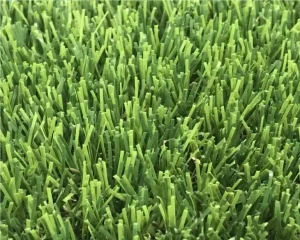
Heavy-Duty Non-Toxic Kids Playground Grass Factory Formulation for Public Parks
View Specifications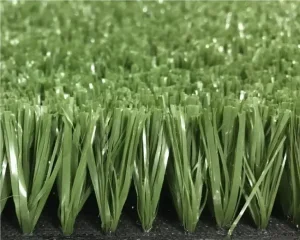
Professional Sand Filled Putting Green Turf Engineered for Central Asian Leisure Resorts
View Specifications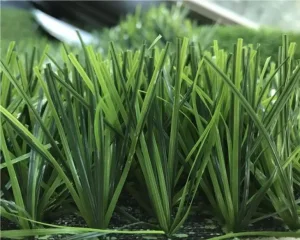
Affordable Resilient Football Grass for Municipal Schools & Academic Campuses
View Specifications
Market Insights
Uzbekistan Industrial & Commercial Infrastructure Landscape
The Republic of Uzbekistan is currently navigating an unprecedented urban transition. Under the framework of national modernisation strategies and "New Tashkent" development initiatives, commercial real estate developers, regional governors (Khokimiyats), and municipal authorities are actively rethinking water conservation and surface durability.
Arid Zone Water Scarcity Mitigation
With annual precipitation dropping significantly across Central Asian steppes and municipal water tariffs shifting toward conservation quotas, traditional grass lawns in commercial developments demand unfeasible hydrological upkeep. Modern polyolefin synthetic surfaces eliminate 100% of potable water consumption for groundcover preservation.
Municipal Sports Mandates & FIFA Compliance
The Ministry of Sports and Youth Policy of Uzbekistan continues to allocate substantial capital expenditure to public fitness infrastructure. Standardised turf solutions engineered to FIFA Quality guidelines enable continuous usage cycles exceeding 60 hours per week, far bypassing natural turf limitations in hyper-continental climates.
Commercial Real Estate & Mixed-Use Hubs
Rapid urban verticalisation in Tashkent, Bukhara, and Namangan has spurred high-density rooftop terraces, exterior plazas, and recreational mixed-use parks. Light-weight, drainable turf backing materials satisfy critical dead-load limitations on civil engineering structures while sustaining high architectural aesthetics year-round.
100%
Irrigation Water Reduction
5,000+
UV-A & UV-B Exposure Hours Tested
65°C
Maximum Surface Thermal Tolerance
12+
Years Lifecycle in Central Asian Zones
Supply Chain Architecture
China Industry 4.0: Supply Chain Resilience & Logistics for Central Asia
Leveraging vertically integrated polymerization facilities and direct China-Europe-Central Asia rail expressways, our manufacturing framework delivers unmatched lead times, structural quality control, and pricing predictability for commercial buyers.
Precision Monofilament Extrusion Heritage
Backed by decades of polymer heritage, our extrusion lines incorporate proprietary masterbatches formulated with Ciba-Geigy Hindered Amine Light Stabilizers (HALS). This prevents photo-oxidation degradation caused by the severe ultraviolet index typical of Uzbekistan’s high-altitude and cloudless summer periods.
Every batch undergoes differential scanning calorimetry (DSC) and melt flow index (MFI) testing, guaranteeing tensile uniformity and eliminating early filament splitting under repetitive sports-grade mechanical stress.
Trans-Eurasian Multimodal Direct Logistics
Through the Khorgos and Alashankou dry-port corridors, shipments transit via direct block-trains (China Railway Express) to Tashkent (Sergeli/Chukursay logistics hubs) within 10 to 14 days door-to-terminal. This circumvents maritime congestion risks entirely.
Standardized 40ft High Cube container consolidation protocols ensure rolls arrive without core deformation, moisture ingress, or creasing, ready for prompt regional deployment across Uzbekistan’s administrative subdivisions.
Technical Roadmap
Engineering Trajectory: Next-Generation Macro-Solutions
Meeting the evolving demands of municipal developers, technical contractors, and corporate purchasers through closed-loop engineering and thermal management innovations.
Phase 1: Present
Infrared-Reflective (IRR) Fiber Chemistry Deployment
Integrating core additives that scatter infrared radiation across the 700–1100 nm wavelength band. Field tests demonstrate a 5°C to 8°C reduction in surface heat absorption relative to standard dark-pigment polyolefin fibers under mid-day summer solar irradiation in Central Asia.
Phase 2: Near-Term
Mono-Component Fully Recyclable Polyurethane (PU) Systems
Phasing out traditional styrene-butadiene latex (SBR) coatings in favor of 100% recyclable thermoplastic backings. This ensures that entire field installations can be shredded, pelletized, and re-extruded into post-industrial consumer goods without fiber-backing separation.
Phase 3: Horizon
Hydrophilic Smart Drainage Geocomposites
Engineered backing layers that combine rapid lateral drainage during rare torrential downpours with capillary micro-retention reservoirs, maintaining localized evaporative cooling while preventing sub-base erosion across continental silt-heavy soils.
Institutional Governance
Localization Support, Regulatory Compliance & Procurement Protocols
Navigating import processes, national standards compliance (GOST-U / UzStandard), and technical specifications for large-scale institutional contracts.
UzStandard & GOST Certification Readiness
Every commercial production batch is accompanied by comprehensive documentation: Certificate of Origin (Form A / Form E), ISO 9001, ISO 14001, ISO 45001 registries, and laboratory toxicological reports confirming compliance with SanPiN hygiene norms established in the Republic of Uzbekistan.
PFAS-Free & Eco-Toxicological Safety
Our raw resin extrusion uses zero polyfluoroalkyl substances (PFAS) and heavy-metal pigments (Lead, Cadmium, Hexavalent Chromium). Test certifications satisfy strict municipal tender requirements for installation in early childhood educational facilities, primary schools, and urban public parks.
Engineering Procurement Support
We provide full structural documentation for engineering consultants and quantity surveyors, including seam joining tapes, bi-component polyurethane adhesives, and exact quartz sand/EPDM rubber infill ratio matrices mapped to regional sub-base compositions (crushed stone, asphalt, or concrete).
Direct Factory B2B Procurement for Uzbekistan Projects
Connect with our technical export division to obtain customized engineering drawings, tender calculation files, and certified laboratory sample packages delivered directly to your office in Tashkent.
Global Catalog Portfolio
Comprehensive Synthetic Surface Systems Catalog
Explore our full OEM and wholesale turf collection engineered across all pile heights, Dtex specifications, and gauge densities for sports facilities, private villas, and civic landscaping.
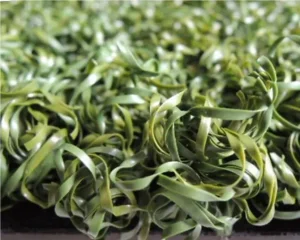
Synthetic Turf for Baseball & Multisport Surfaces (Central Asia Spec)
View Specifications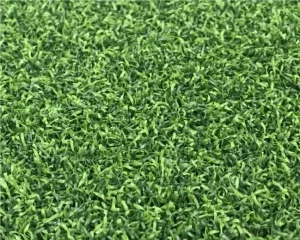
Harmless Indoor Putting Green Turf for Commercial Venues
View Specifications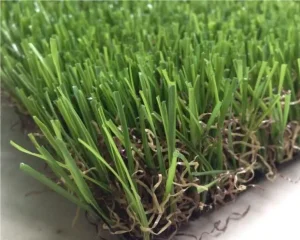
High-Quality Multipurpose Golf Rough Turf for Uzbekistan Developments
View Specifications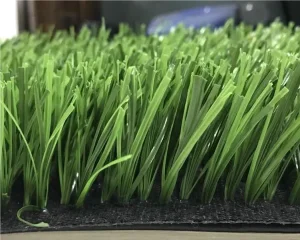
OEM Customized Affordable Football Turf (Regional Club System)
View Specifications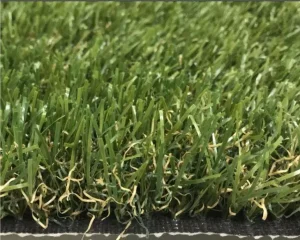
Pet Artificial Grass with Rapid-Drain Anti-Odor Substrate Backing
View Specifications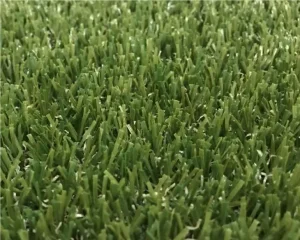
Artificial Golf Landscaping Green Grass for Hotel & Civic Grounds
View Specifications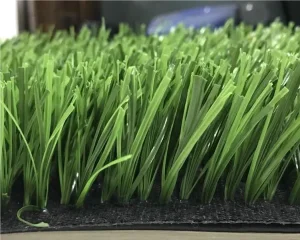
Professional Football Fake Turf Engineered for Competition Arenas
View Specifications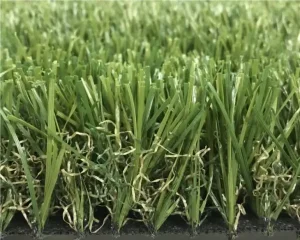
Tough & Nonslip Decorative Grass for Commercial Walkways & Plazas
View Specifications
Procurement Knowledge Base
Frequently Asked Questions for Uzbekistan Importers & Contractors
Clear, technical, and regulatory clarity regarding polymer durability, customs classification, freight methods, and on-site engineering maintenance.
How do polymer formulations endure Uzbekistan’s extreme continental temperature range?
Continental Central Asia experiences extreme annual temperature deltas, often ranging from sub-zero winter spells down to -20°C up to solar-loaded summer surface temperatures exceeding +60°C. Our turf filaments use high-molecular-weight Polyethylene (PE) and Polypropylene (PP) resins co-extruded with high-purity Carbon Black and specialized UV inhibitors (HALS). This prevents brittle glass transitions during winter freezes while avoiding filament softening and plastic deformation under severe summer thermal stress.
What are the standard freight routes and customs transit timelines from factory to Tashkent?
Direct rail transit via the China Railway Express corridor remains the preferred logistics method. From our production lines, sealed container units move via the Khorgos or Alashankou land ports straight into the Chukursay or Sergeli customs terminals in Tashkent. Typical transit times range from 10 to 14 business days from departure, offering full container tracking and zero transshipment risks compared to long-haul sea routes.
Which sub-base preparations are recommended for municipal football and park installations in Central Asia?
Because native soils in regions such as the Syr Darya and Fergana basins frequently contain expansive clay or loose alluvial silts, dynamic sub-bases must be correctly engineered. We recommend an unbound graded stone sub-base composed of 150–200 mm compacted crushed granite or basalt (0–40 mm aggregate), followed by a 30–50 mm leveling layer of fine crushed stone (2–5 mm). For municipal applications where sub-base movement is a concern, porous asphalt or reinforced concrete pads with a minimum 0.5% gradient and perimeter channel drainage are recommended.
Are these synthetic grass solutions certified safe for educational facilities and kindergartens in Uzbekistan?
Yes. All products comply with comprehensive REACH testing standards (EC 1907/2006) and are certified free from harmful plasticizers (ortho-phthalates), polycyclic aromatic hydrocarbons (PAHs), and per- and polyfluoroalkyl substances (PFAS). In addition, flammability test ratings (EN 13501-1 Class Efl/Cfl) and non-toxic heavy metal certificates verify full compliance with local SanPiN health protocols for early childhood installations.
Can customized tufting specifications (roll dimensions, pile height, line marking) be accommodated for institutional tenders?
Absolutely. As an integrated OEM/ODM manufacturer, we offer variable roll widths from 2.0 to 4.0 meters and roll lengths manufactured precisely according to structural installation drawings to minimize joint seams and installation waste. Sports fields can be tufted with integrated white and yellow game boundary lines directly into the green backing, significantly cutting labor installation hours and adhesive overheads on site.