
Primary High-Traffic Engineering Solutions for Osaka Prefecture
Pre-qualified synthetic turf configurations meeting high drainage demands, seismic resilience standards, and high footfall durability for Kansai infrastructure.
Osaka's Urban Regeneration and the Escalating Demand for Synthetic Surface Architecture
The Kansai industrial nexus—anchored by Osaka Prefecture, Kobe, and Kyoto—is navigating a profound spatial transition. In the wake of major capital infrastructure projects, including the preparations for Expo 2025 Osaka, Kansai, urban developers and municipal facility managers face stringent regulatory, environmental, and thermal pressures. Traditional turf systems cannot withstand the extreme usage density or the sweltering heat island effects typical of Osaka's humid subtropical summers.
Consequently, synthetic turf architecture is no longer treated merely as a low-maintenance alternative to natural sod; it is evaluated as an integrated civil surface technology. From rooftop mitigating pads on commercial skyscrapers in Umeda to waterfront shock-absorbing landscape decks along Nakanoshima, specifications require zero-PFAS polymer chemistry, rapid vertical drainage (exceeding 1800mm/hour to counter torrential seasonal rainfalls), and durable UV stabilization against intensive solar degradation.
-
Expo 2025 Standard Compliance & Eco-Safety PFAS-free formulations that satisfy stringent Japanese Green Procurement Law requirements.
-
Rapid Seepage Hydrodynamic Sub-bases Engineered pore matrix prevents waterlogging during regional Kansai torrential rainstorms (Guerrilla Rainstorms).
Vertical drainage capacity preventing pooling in Osaka's high-humidity rainy periods.
Abrasion resistance index exceeding FIFA Quality Pro standard specifications.
Exceeds RoHS and Japanese Ministry of the Environment playground safety regulations.
Thermal reflectance engineered for Osaka's dense commercial microclimates.
Macro Solutions: Solving the Triple Challenge of Density, Climate & Circularity
Cross-industry deployment architectures tailored to withstand heavy urban usage while maintaining compliance with international athletic standards.
Urban Heat Island (UHI) Mitigation
By blending infrared-reflective masterbatch pigments with micro-porous polymer cores, our specialized Osaka-grade fibers reflect solar radiation in the near-infrared spectrum, lowering surface temperatures by up to 15°C compared to conventional black-crumb infill installations.
Monolithic Polyolefin Recyclability
Addressing the strict recycling directives of Japan's Waste Management Law, we deploy homogeneous backing systems—utilizing 100% Polyethylene primary and secondary backings that eliminate polyurethane/SBR latex separation barriers for full post-lifecycle cradle-to-cradle recycling.
Seismic-Grade Mechanical Stability
High-tensile tuft binding exceeding 45 Newtons prevents fiber shedding and shearing during micro-ground movements. Backed by TenCate polymer heritage, each row demonstrates high dimensional stability over prolonged freeze-thaw cycles and intense humid shifts.
Technical Roadmap: Polymer Evolution for the Kansai Industrial Corridor
Our engineering transition path mapping high-performance surface systems to next-generation regional carbon neutrality mandates.
TenCate Certified Monofilaments
Implementation of custom cross-sectional geometry (C-Shape, Diamond, and W-Spine) engineered to maximize spring-back resistance under non-stop athletic usage. Rigorous third-party lab testing ensures complete compliance with non-toxic, lead-free, and REACH SVHC requirements.
PFAS-Free Non-Halogen Flame Retardancy
Engineered for dense indoor arenas, high-rise Osaka rooftop decks, and kindergarten play parks. Integrates non-halogenated flame retardants and non-fluorochemical polymer extrusion to deliver ASTM-certified fire safety without ecological leaching risks.
Bio-Based & Closed-Loop Circular Systems
Integration of sugarcane-derived bio-polyethylene and solventless, hot-melt secondary backings. Designed to support Kansai's net-zero 2050 benchmarks by lowering product cradle-to-gate carbon footprints by over 42% relative to historic industry baselines.
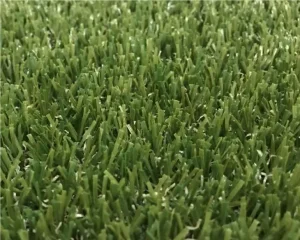
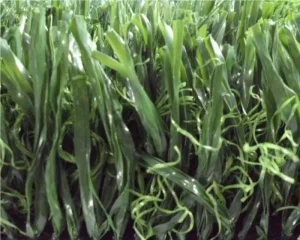
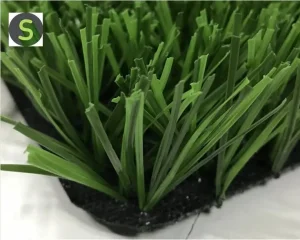
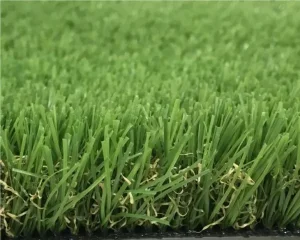
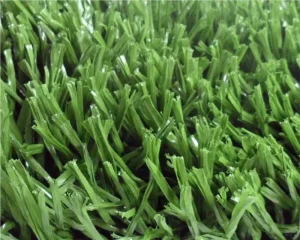
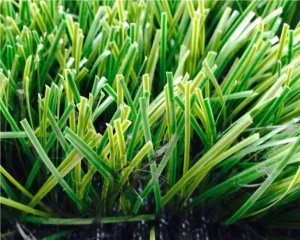
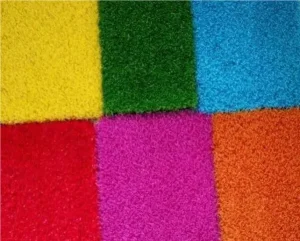
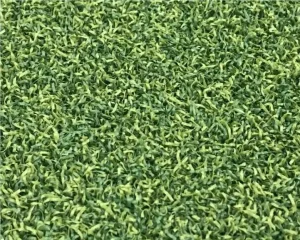
Specialized Turf Lines for Regional Architectural & Sporting Complexes
Original certified equipment configurations available for direct procurement, B2B wholesale distribution, and custom OEM manufacturing.
Frequently Asked Questions for Sourcing in the Osaka Market
Clear, engineering-focused clarity regarding certifications, lead times, climate customization, and commercial agreements.