
Specialized Seattle Baseball Turf Core Selections
High-density tufted systems engineered for extreme shear-stress mitigation across sliding zones, batters' boxes, and rapid outfield drainage planes.
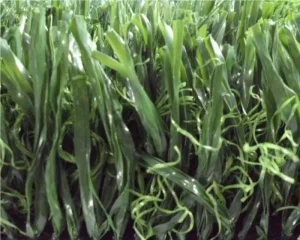
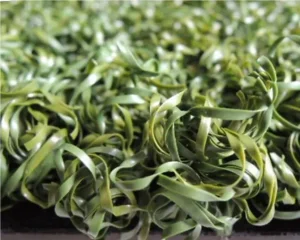
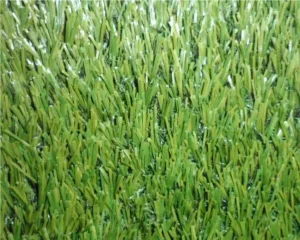
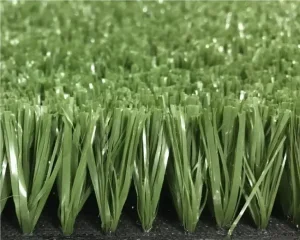
Industrial Macro-Environment: The Puget Sound Infrastructure Mandate
Seattle’s municipal parks, King County district school boards, and regional NCAA athletic associations operate within one of North America's most challenging environmental matrices.
Hydrological Infiltration Capacity
Traditional natural clay and Kentucky bluegrass baseball fields in King and Snohomish counties suffer from pervasive seasonal unplayability from October through early May. Continuous maritime rainfall destabilizes dirt basepaths, causing catastrophic soil shear and rutting. Advanced monofilament artificial baseball turf systems, paired with perforated multi-layer backing and dynamic crushed stone bases, achieve dynamic water transmission exceeding 35 inches per hour, eliminating rain delays.
Washington State PFAS Compliance
The regulatory framework within Washington State (specifically under the Department of Ecology’s priority action directives) demands stringent chemical transparency. Our manufactured sports systems are rigorously tested and verified PFAS-free, eliminating hazardous fluorinated surfactants from yarn extrusion. This ensures full alignment with King County’s stringent watershed protection programs and safe run-off protocols into Puget Sound waterways.
High-Traffic Facility Economics
Field utilization pressure in urban Seattle facilities (such as regional recreational hubs and scholastic sports complexes) requires baseball layouts to maintain resilience under 2,000+ annual usage hours. Synthetic systems engineered with textured polyethylene thatch layers retain infill ballast and stabilize cleat interaction, lowering recurring groundskeeping payroll, specialized clay imports, and fossil-fueled equipment use by over 74%.
Macro-Industry Roadmap: Engineering Ball Physics & Kinematics
How polymer architecture, dual-polymer infills, and advanced tufting systems reproduce natural Major League baseball surface characteristics.
True-Bounce Ball Kinematics
Historical early-generation turf fields suffered from excessive ball bounce acceleration ("skipping"), deviating significantly from professional natural clay standards. Contemporary high-spec baseball turf integrates high-denier slit-film yarns interlocked with texturized nylon or PE thatch. This design dampens ball momentum, matching real infield ground-ball roll velocity, friction coefficient (0.55–0.65), and vertical bounce angle tolerances.
Sliding Resistance & Heat Abatement
Athlete welfare hinges on rotational traction control and skin-friction heat mitigation during aggressive slides into bases. Utilizing lubricated TenCate polymer chains with customized hydrophilic coatings prevents thermal skin abrasions. The fiber array prevents compaction and ensures base paths do not harden over time, protecting athlete joint health during high-impact stops and pivots.
Circular Closed-Loop Polymer Backing
The global sports surface manufacturing market is moving away from legacy polyurethane (PU) and SBR latex backings, which hinder post-consumer recycling. Next-generation systems feature 100% woven polyolefin matrix backings. At the end of life, the carpet is entirely melted and regranulated without multi-material separation, directly advancing carbon neutrality goals across Seattle and King County public projects.
| Field Zone System | Optimal Pile Height | Polymer Composition | Infill Specification | Drainage Index | Target Playing Characteristic |
|---|---|---|---|---|---|
| Infield Skin Area | 40 mm – 45 mm | Heavy Monofilament + Texturized Thatch | Coated Silica Sand + Virgin TPE / EPDM | >35 in/hr | Calibrated ball deceleration & cleat penetration |
| Outfield Commons | 50 mm – 60 mm | Diamond or Spine Engineered PE Fiber | Washed Silica Sand + Ambient Cryogenic SBR / TPV | >40 in/hr | True-roll stability, maximum shock attenuation |
| Batting Cages & Bullpens | 30 mm – 36 mm | High-Dtex Texturized Nylon / PE Monofilament | Sand-Dressed or Non-Infill Shockpad Substrate | >25 in/hr | Maximum resistance to continuous steel-cleat tear |
| Pitcher's Mound & Home Plate | Modular High-Density | Reinforced High-Weight Polyamide Matrix | High-Density Sand Matrix with Heavy Tuft-Lock | >20 in/hr | Zero displacement under repetitive delivery thrusts |
Engineering Solutions Across the Seattle Metro Complex
Tailored macro solutions built around regional geotechnical soil compositions, maritime dew points, and multi-tenant municipal scheduling demands.
WIAA & Collegiate Ballparks
For high schools competing in the Metro 3A/4A leagues and collegiate programs in Western Washington, field consistency is critical. Our turn-key baseball packages include custom tufted foul lines, permanently inlaid turf logos, pre-assembled heavy-duty pitcher's mounds, and clay-colored warning tracks that eliminate seasonal restriping and chalk contamination.
Year-Round Training Centers
Seattle’s wet winter weather drives heavy demand for indoor baseball training centers, batting cages, and performance hubs across Bellevue, Redmond, and Tacoma. We manufacture low-profile, shock-absorbing indoor turf systems designed for concrete subfloors that dampen noise and provide extended wear life under continuous pitching and batting drills.
Convertible Multi-Sport Fields
Urban Seattle field space is limited, requiring many parks to convert between baseball, soccer, and lacrosse. We engineer dual-height baseball systems featuring retractable outfield fences and inlaid boundary markers for football and soccer, helping public spaces maximize usable hours per square meter.
Frequently Asked Technical Questions
Detailed answers for civil engineers, municipal buyers, and general contractors specifying synthetic baseball turf in the Pacific Northwest.
Intense, frequent rainfall can wash away loose infill on improperly designed fields. Our baseball systems use a dense, texturized secondary backing layer combined with angular, sub-rounded coated silica sand. This locks the infill into the carpet matrix, preventing movement and maintaining true ball bounce, even during heavy rain storms.
We use a dedicated 40–42mm pile height with a dense dual-fiber build that combines straight monofilament and curled texturized thatch. We then ballast the system with an 80% silica sand and 20% elastomer mix. This configuration delivers an ASTM-tested ball-roll distance and rebound velocity that closely matches a professionally conditioned Major League dirt infield.
Yes. Every production run undergoes independent third-party lab testing using EPA-approved methods to verify zero detectable PFAS and heavy metals (lead, cadmium, mercury). Complete environmental documentation is available to assist with municipal permits, state tenders, and local watershed reviews.
With scheduled decompacting and routine brush sweeps, our baseball turf products deliver an average service life of 8 to 12 years under intensive use (over 2,200 hours per year). We also manufacture modular insert plates for high-wear areas, like the batter's box and pitching landing zones, allowing easy maintenance without rebuilding the entire infield.
Full-Spectrum Turf Solutions Serving the Northwest
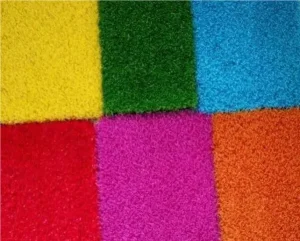
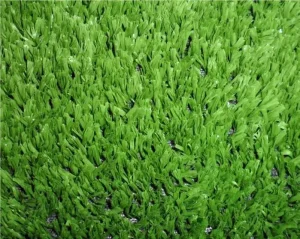
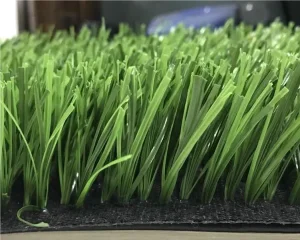
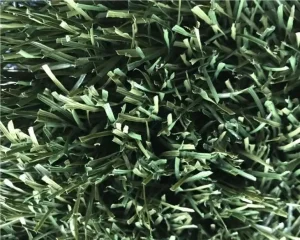
From FIFA-compliant football turf and professional tennis courts to decorative and playground systems, explore our factory-direct catalog.
Plan Your Seattle Facility Installation With Our Engineering Team
Get factory-direct pricing, custom CAD roll layouts, ASTM performance test data, and material samples delivered directly to your project site.
Send Inquiry Now