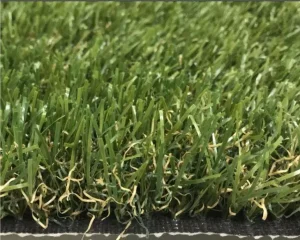
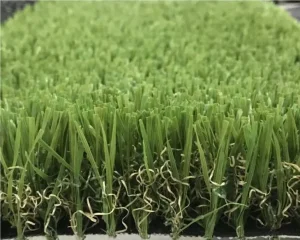
Factory Lineup
Engineered Synthetic Pet & Multi-Sport Surfaces
Heavy-duty tufting, ultra-durable backing systems, and toxic-free compounds delivered straight from our certified lines to international supply chains.
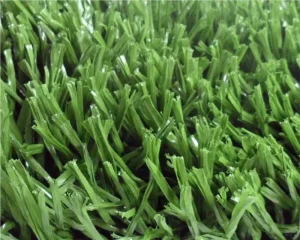
OEM FIFA Standard Synthetic Football Turf for Soccer Pitches
View Specifications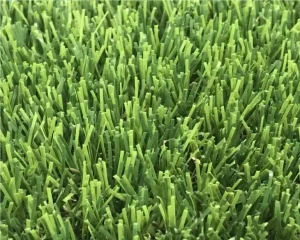
Best Non-toxic Kids Playground Grass Manufacturer, Factory
View Specifications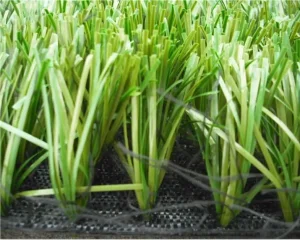
Wear-resistant TenCate Football Turf Product, Factory
View Specifications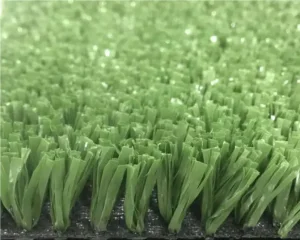
Sand Filled Multi-artificial grass Manufacturer, Supplier
View Specifications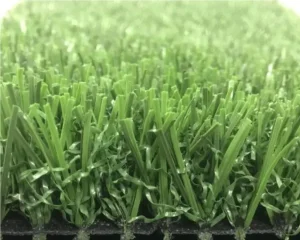
New Developed Best Multi-sports Turf Products, Product
View Specifications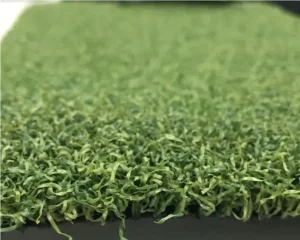
OEM Non-Sand Filled Golf Putting Green Product, Factory
View Specifications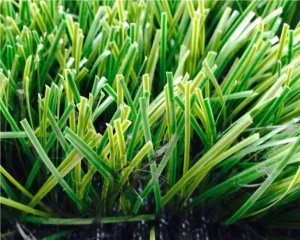
Turf Soccer Field With Good Toughness Factories, Supplier
View Specifications
Industry Whitepaper
The Evolution of Specialized Pet Turf Systems
Analyzing global demand vectors, polymer crystallization thresholds, and systemic architectural shifts within commercial pet applications.
Bacterial Biofilm Prevention
Traditional landscape grass fails in pet facilities due to the retention of ammonium salts and bacterial colonization in latex substrates. Modern pet turf architectures utilize non-porous antimicrobial Polyethylene (PE) masterbatches combined with secondary polyurethane (PU) or fully permeable thermal polyolefin backings.
These advanced polymers prevent enzymatic breakdown, volatile amine buildup, and moisture-induced backing dry-rot, ensuring clean facilities even under heavy commercial usage.
Hydraulic Evacuation Rates
Standard landscape grass perforations provide drainage rates under 50 inches per hour—insufficient for commercial kennels. Specialized pet turf requires whole-matrix drainage exceeding 300 to 800+ inches per hour.
By shifting to 100% permeable polyolefin woven bases without punched drain holes, waste is flushed immediately through the sub-base, stopping puddle formation and odor buildup completely.
Mechanical Wear Resistance
Canine kinetic energy causes unique shear stresses through claws and running. Standard monofilaments fibrillation under these focused mechanical loads, losing fibers quickly.
High-tier pet-grade turf incorporates thick spine, C-shape, or diamond-structured monofilaments exceeding 12,000 to 16,000 Dtex, delivering superior tuft bind ratings (>45N) that hold up to aggressive claw digging and high foot traffic.
Factory Operations
Engineered Capacity & Quality Parameters
Quantifiable performance verified across decades of yarn spinning, tufting calibration, and direct distribution logistics.
22+
Years Export Engineering
>800
In/Hr Drainage Capacity
100%
PFAS & Heavy Metal Free
50N
Tuft Bind Locking Force
Procurement Guide
Pet Turf Engineering Matrices vs Standard Systems
Comparative engineering indices showing how raw polymer formulations impact durability and sanitary performance in real-world installations.
| Performance Vector | Commercial Pet Turf Spec | Residential Dog Run Turf | Standard Landscape Grass | Critical Risk Factor |
|---|---|---|---|---|
| Fiber Polymer | Anti-Odor PE Monofilament | Standard PE with PP Thatch | Commodity PE / PP blend | Degradation from uric acid & sun exposure |
| Backing Substrate | 100% Permeable Polyolefin / PU | Perforated Polyurethane | Punched SBR Latex | Latex water retention causing mold |
| Tuft Bind Force | > 45 - 55 Newtons | > 35 - 40 Newtons | 25 - 30 Newtons | Blade extraction from dog digging |
| Pile Height Window | 20mm - 28mm Low Shear | 28mm - 35mm Balanced | 35mm - 50mm High Plush | Tangled fibers complicating waste pickup |
| Drainage Capacity | > 800 mm / hr (Free-Flow) | > 350 mm / hr | < 60 - 100 mm / hr | Liquid accumulation and toxic ammonia pockets |
| Infill Requirement | Zeolite / Antimicrobial Coated | Washed Silica / Zeolite | Plain Silica / Crumb Rubber | Crumb rubber heating paws in warm weather |
Architectural Protocol
Sub-Base Engineering & Installation Infrastructure
Long-term turf success depends on the foundation underneath. Follow this cross-sectional base protocol for heavy-use pet areas.
1. Excavation & Geotextile
Excavate unstable native soils to a depth of 3 to 4 inches. Compact the sub-grade to an optimal 90-95% Proctor density.
Lay down a heavy, non-woven geotextile membrane (minimum 150g/m²). This prevents soil migration, stops burrowing insects, and provides weed resistance while preserving free-draining hydraulic pathways.
2. Dynamic Sub-Base Aggregate
Do not use rounded river rock or crusher dust containing fine silt, as silt traps pet urine and creates lingering odors over time.
Install 2.5 to 3 inches of clean 1/4" to 3/8" angular crushed stone (such as #8 or #78 aggregate) followed by a 0.5-inch micro-aggregate leveling bed. This creates an open-graded reservoir system that flushes clean during wash downs.
3. Anchoring & Infill Strategy
Anchor the edges using composite plastic perimeter boards or stainless steel spiral stakes driven at 6-inch intervals.
Dress the grass with non-compacting, antimicrobial-coated quartz sand or pure organic Zeolite mineral infill (1.5 to 2.5 lbs/sq.ft). Zeolite traps ammonium ions through cation exchange, stopping odor conversion until rain safely flushes it away.
Compliance Standards
Global Regulations & Toxicity Verification
Meeting stringent building and environmental standards for global imports across North America, Europe, Australia, and the Middle East.
PFAS-Free & Heavy Metal Free Guarantees
Importing into key markets like the EU (REACH) and the United States (state-level EPA and Prop 65 rules) requires documented chemical purity. Our pet turf extrusions are strictly manufactured without Per- and Polyfluoroalkyl Substances (PFAS), fluorinated processing aids, or heavy metal stabilizers like lead, cadmium, or mercury.
Every production batch includes full third-party test verification, keeping your business fully protected during customs audits and municipal commercial bids.
Thermal Regulation & Surface Cooling
Pet footpads are especially sensitive to hot turf during high summer temperatures. Our turf formulations integrate infrared-reflective pigments (Cooling Fiber Tech) that lower surface heat buildup by 10°C to 15°C compared to commodity turf yarns.
Paired with our low pile profile and open drainage channels, the grass releases stored heat quickly, creating a safe, comfortable surface for commercial animal boarding facilities and public dog parks.
Factory Innovation
Next-Generation Polymer Engineering
Where raw polymer science meets practical, high-throughput manufacturing.
Mono-Polymer Circular Recyclability
Traditional turf combines Polyethylene blades with Polypropylene secondary layers and SBR rubber latex, making it difficult to recycle at the end of its useful life.
Our upcoming single-polymer systems match 100% PE blades with an exclusive 100% PE hot-melt backing. This setup allows old rolls to be re-pelletized directly into industrial injection products without needing chemical separation steps.
Ionic Silver Micro-Encapsulation
We are upgrading from surface-coated sanitizers to slow-release silver and zinc ions compounded directly into the primary masterbatch during yarn extrusion.
This locks in the antimicrobial shield permanently. The protection won't wash away under commercial pressure washing, high UV radiation, or heavy daily sanitizing protocols.
Automated Custom Roll Sizing
Cutting rolls manually on job sites leads to extra seam lines, higher scrap rates, and slower turnaround times on complex projects.
Our updated finishing lines allow container-direct buyers to pre-cut custom widths and lengths using CAD project layouts, reducing installation waste by 12% to 18% right out of the box.
Factory Q&A
Frequently Asked Wholesale Pet Turf Questions
Answers to essential technical, logistics, and quality questions for commercial distributors and contractors.
Why choose specialized pet turf over standard 40mm landscape turf?
Standard 40mm landscaping turf is designed for appearance and light foot traffic, not for processing animal waste. The longer blades make solid waste pickup difficult, and the typical perforated latex backing absorbs ammonia, creating persistent odors over time. Pet turf is designed with shorter, resilient blades (20mm to 28mm) and open, fully permeable backings that drain liquids immediately, sanitize easily, and hold up against digging paws.
How do you clean and control odors in commercial boarding facilities?
Commercial setups require a clear maintenance schedule. Pick up solid waste daily, rinse down the turf surface with clean water, and apply enzymatic, pet-safe cleaners weekly to break down residual uric acid crystals. Using zeolite mineral infill also helps trap ammonium ions right away, stopping odor conversion until the next washdown.
Can your factory produce custom OEM brands, Dtex, and pile heights?
Yes. As a direct manufacturer, we provide end-to-end OEM and private-label services. We can adjust the pile height (from 6mm up to 75mm), yarn polymer blends (PE, PP, PA), custom color ratios, stitch rates, and tuft binding to match your region's unique climate and project demands. Custom branded backings and packaging roll wraps are also readily available.
What factory certifications and testing documents are supplied with orders?
We supply full test documentation with our shipments, including ISO 9001, ISO 14001, and ISO 45001 certificates, third-party PFAS-free reports, DIN-standard flammability test results, UV weathering reports (such as 5,000+ hour Xenon arc tests), and heavy metal lab analyses for clean compliance across major global ports.
Factory Lineup
Extended Sports & Landscaping Product Portfolio
Tested solutions engineered across golf greens, sports surfaces, pet runs, and versatile commercial landscape applications.
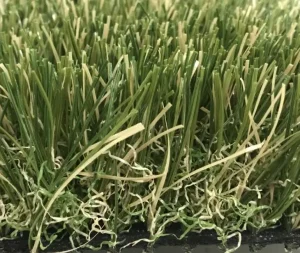
High Density Two-color Landscaping Turf Manufacturer
View Specifications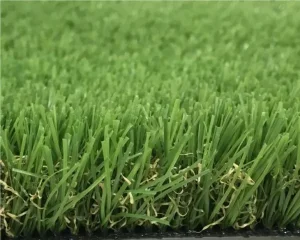
Best Green Lawn Grass Safe And Non-toxic Products
View Specifications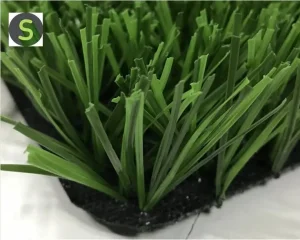
FIFA Approved Artificial Turf for Soccer Field Manufacturers
View Specifications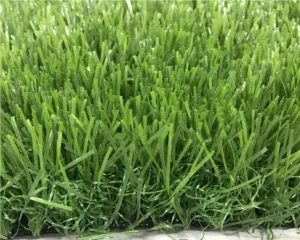
Easy To Clean And Dry Up Fake Grass for Dogs Product
View Specifications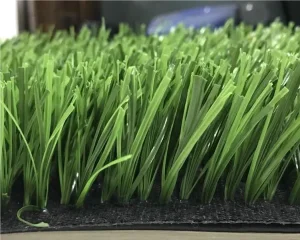
Professional Football Fake Turf Manufacturer, Supplier
View Specifications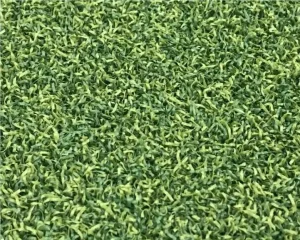
Wholesale Nonslip Putting Green Turf Factories, Factory
View Specifications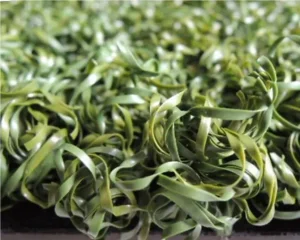
Synthetic Turf for Baseball Surface Products, Suppliers
View Specifications