High-Performance Turf Inventory Systems
Explore commercial and athletic wholesale artificial grass surfaces engineered for rigorous municipal, sports, and architectural landscape deployments.
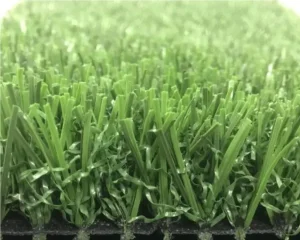
Wholesale New Developed Best Multi-sports Turf Products, Product
View Specifications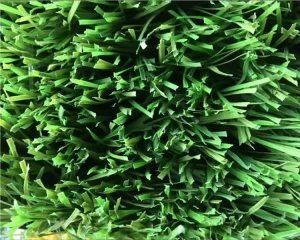
Wholesale High Quality Football Field Grass Manufacturers, Product
View Specifications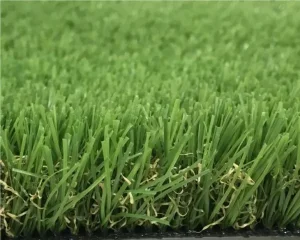
Buy Best Green Lawn Grass Safe And Non-toxic Products, Factories
View Specifications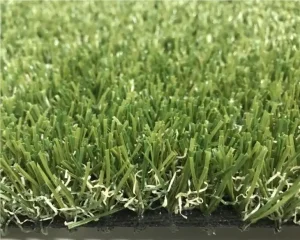
Buy Economical And Tough Golf Fairway Grass Product, Supplier
View Specifications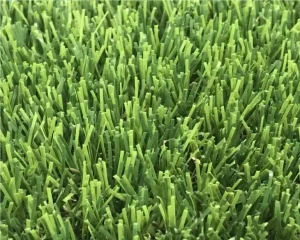
Buy Best Non-toxic Kids Playground Grass Manufacturer, Factory
View Specifications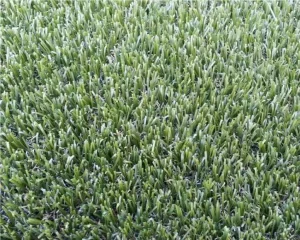
OEM High-Density UV-Resistant Artificial Grass Turf for Garden & Lawn Manufacturers, Product
View Specifications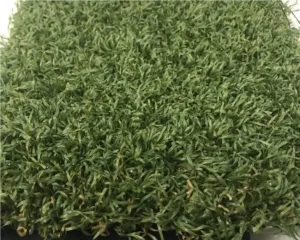
OEM Non-Infill Multi-Sport Artificial Turf Manufacturers, Products
View Specifications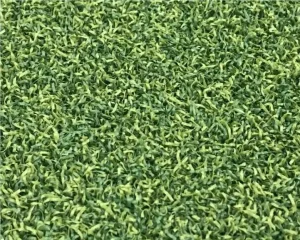
Buy Wholesale Nonslip Putting Green Turf Factories, Factory
View SpecificationsEvolutionary Frontiers in Synthetic Turf Science
Analyzing the paradigm shift from basic decorative polyolefin fibers to 4th generation biomimetic, micro-climate mitigating, and thermo-stabilized landscaping polymers.
Polymer Chemistry & HALS Stabilization
Early generation landscaping grass suffered from accelerated degradation under intense ultraviolet irradiation. Contemporary tier-1 manufacturers utilize advanced masterbatch compounding with high-molecular-weight Hindered Amine Light Stabilizers (HALS) and phenolic antioxidants. This molecular shield prevents polymer chain scission under extreme UVA/UVB exposure, delivering test-certified UV resistance conforming to DIN 53387 standards across 5,000+ continuous Xenon-arc testing hours.
Fiber Cross-Section Mechanics
Flat tape yarn has become obsolete due to mechanical folding and surface glare. State-of-the-art extrusion dies formulate intricate structural geometries—including C-Shape, W-Shape, Diamond, and double-concave profiles. These micro-engineered cross-sections generate internal geometric ribs that provide elastic recovery forces (memory elasticity) post-compression, while simultaneously dispersing specular solar reflection for a matte, hyper-realistic aesthetic.
Circular Economy & Mono-Polymer Backing
Traditional artificial turf relies on multi-layer primary backings bonded via cross-linked SBR (styrene-butadiene) latex or thermoset polyurethane, making post-consumer separation and mechanical recycling cost-prohibitive. Next-generation production emphasizes mono-polymer construction—utilizing 100% pure polyethylene or polypropylene matrices across yarn, backing grid, and adhesive coating—enabling single-stream melt granulating and circular re-pelletization.
Global B2B Specification & Compliance Matrix
A rigorous empirical guide for international importers, landscape architects, and civil engineering specifiers evaluating structural artificial turf parameters.
| Evaluation Parameter | Standard Range | Material Engineering Details | Primary Industrial Application | Verification Protocol |
|---|---|---|---|---|
| Dtex (Linear Mass Density) | 6,600 – 16,000 Dtex | Grams per 10,000 meters of yarn. Direct correlate of structural wall thickness and tensile endurance. | Commercial Landscape, High-Traffic Civic Plazas | ASTM D1577 / ISO 1973 |
| Fiber Microns (Thickness) | 180 – 380 μm | Cross-sectional gauge thickness. Critical for counteracting pile crushing and high wear fatigue. | Institutional Facilities, Pet Playgrounds | SEM Microscopic Metrology |
| Gauge & Stitch Density | 3/8", 5/8", 3/4" (14k–26k/m²) | Distance between tufting needle rows and longitudinal stitch count, establishing visual coverage. | Residential Lawns, Luxury Rooftops | EN 13864 / Direct Count |
| Secondary Backing Adhesive | SBR Latex vs. Polyurethane | PU provides higher chemical resistance, waterproof resilience, and absence of residual VOC odor. | Hospitality Terraces, Indoor Arenas | BS EN 12228 (Tuft Lock) |
| Environmental Safety Certification | Non-Toxic & Zero Heavy Metals | Rigorous absence of lead, cadmium, phthalates, and persistent per- and polyfluoroalkyl substances (PFAS). | Schools, Childcare, Pet Sanctuaries | EN 71-3 / EPA 3052 / RoHS |
| Hydraulic Drainage Capacity | 2,500 – 4,500 mm/hr | Perforated hole arrays or fully permeable microporous mesh backings facilitating rapid stormwater flow. | Stormwater Runoff Basins, Sports Fields | EN 12616 Water Permeability |
Technical Specifier Note on Yarn Formulation
When wholesale importers evaluate quotation dossiers, Dtex must never be evaluated in isolation. A high Dtex combined with low needle density yields an open, susceptible thatch prone to horizontal flattening. Premium OEM landscape turf requires a harmonized balance between fiber thickness (microns), needle gauge, and texturized polypropylene (PP) thatch curl density to ensure multi-directional interlock and vertical resilience over a 10-to-15-year service lifecycle.
China Industry 4.0: Supply Chain Resilience
How vertically integrated polymer extrusion, AI-driven optical tufting, and continuous automated logistics deliver unrivaled speed, consistency, and scale.
Upstream Vertical Integration
Unlike assembling workshops that source yarn from outside vendors, our manufacturing campus integrates 100% in-house twin-screw extrusion compounding. Sourcing prime virgin polymer pellets directly from Sinopec and international petrochemical majors, we control raw resin melt flow index (MFI), masterbatch pigment dispersion, and tensile orientation draw-ratios. This raw-material autonomy shields global buyers from intermediary supply shocks and color batch deviations.
AI Optical Tufting & Automated Curing
Equipped with multi-gauge British and European tufting machinery running at up to 1,200 RPM, our automated lines incorporate real-time machine vision inspection systems. Any broken filament, missing stitch, or needle drift triggers millisecond stop sequences, guaranteeing zero cosmetic defects. Continuous temperature-calibrated drying ovens cure secondary polyurethane or latex backings under controlled thermal gradients to preserve dimensional stability.
Comprehensive Quality Traceability
Every master roll leaving the facility features an encrypted barcode tracking its specific resin batch, extrusion line parameters, tufting operator ID, and curing oven temperature history. Certified under ISO 9001, ISO 14001, and ISO 45001 international frameworks, our factory offers B2B buyers complete documentation packages for tender qualifications, including fire classification reports (EN 13501-1 Class Cfl-s1) and VOC emissions under AgBB requirements.
Global Market Dynamics: Water Scarcity & ROI
Evaluating the macroeconomic forces driving commercial real estate, corporate campuses, and municipalities to transition from natural sod to synthetic turf systems.
Water Conservation & Municipal Mandates
In arid zones such as the southwestern United States, the Mediterranean basin, the Middle East, and parts of Australia, municipal water conservation mandates have transitioned from voluntary guidance to statutory restrictions. Maintaining 1,000 square meters of natural lawn demands approximately 1.5 million liters of potable irrigation water annually. Commercial synthetic landscaping completely eliminates municipal irrigation demand, insulating property developers from water tariffs and compliance penalties while earning substantial points under LEED BD+C v4 (Water Efficiency Credit: Outdoor Water Use Reduction).
Corporate ESG & Chemical Runoff Elimination
Conventional landscape horticulture relies heavily on synthetic nitrogen-phosphorus fertilizers, chemical fungicides, and pesticide regimes. Runoff from these substances contributes significantly to local aquifer eutrophication and soil toxicity. Wholesale industrial artificial grass completely eliminates the recurring carbon footprint of fuel-driven maintenance mowers, aerators, and chemical spray treatments, dramatically lowering institutional Scope 1 and Scope 2 operational emissions profiles.
Lifecycle Financial Modeling (LCC) & Amortization
While initial capital expenditure for engineered synthetic turf installation surpasses sod planting, total cost of ownership (TCO) models consistently indicate financial breakeven between months 24 and 36. Factoring in mower maintenance, professional lawn contractor wages, reseeding, sprinkler repairs, and water billing, commercial facilities experience an average internal rate of return (IRR) exceeding 28% over a 10-year operational horizon.
All-Weather Functional Availability
Commercial real estate, retail lifestyle centers, and hotel venues depend on functional outdoor seating and aesthetic green scapes. Natural grass deteriorates into slippery mud following storm precipitation and turns dormant brown during winter frost cycles. Artificial turf engineered with high-porosity sub-base drainage provides immediate post-storm usability, zero mud tracking into adjacent building interiors, and uninterrupted vibrant color fidelity 365 days a year.
Engineered Solutions for Diverse Microclimates
Specific structural configurations optimized for diverse operational demands—from extreme arid heat to heavy pet hygiene and high-traffic rooftop installations.
Arid & Desert Xeriscaping
High ambient solar loading and prolonged UV index values (11+) demand specialized anti-solar formulations. Our desert-grade turf integrates infrared-reflective pigments that drop surface temperatures by up to 10°C compared to conventional plastics, paired with double-stabilized C-shape fibers that resist polymer embrittlement up to 60°C ambient temperatures.
Commercial Rooftop & Podium Decks
Urban rooftop terraces and elevated sky gardens face strict structural dead-load limits and aggressive wind shear uplifts. We manufacture ultra-lightweight, high-permeability landscape grass engineered for loose-lay installation over structural drainage cells, tested and certified under EN ISO 11925-2 for fire safety performance.
Pet Sanctuaries & Veterinary Centers
High-density animal daycare and boarding facilities require specialized bio-hygienic defenses. Our pet-specific landscaping turf eliminates standard perforated latex in favor of full-matrix polyurethane or polyolefin backing with anti-microbial silver-ion yarn additive compounding, preventing ammonia odor retention and bacterial multiplication.
Civic Child Safety & Play Enclaves
Playgrounds and public early-learning recreational surfaces mandate stringent shock attenuation to mitigate critical fall injuries. Paired with our closed-cell cross-linked polyethylene (XPE) shock pads, these turf systems meet ASTM F1292 and EN 1177 Head Injury Criterion (HIC) standards for critical fall heights up to 3.0 meters.
High-Footfall Commercial Plazas
Corporate campuses, open-air shopping centers, and exhibition arenas subject turf to aggressive lateral shearing forces from pedestrian foot traffic. Dense 3/8-inch gauge tufting combining 12,000+ Dtex monofilament with thick texturized polypropylene thatches prevents blade matting and resists premature tracking paths.
Golf Fairways & Putting Greens
Engineered exclusively with high-density curly polypropylene or polyamide (nylon) fibers, our wholesale putting greens provide true ball roll speeds (10–12 on the Stimpmeter) without sand infill migration, offering luxury residential estates and commercial golf clubs professional-grade practice surfaces.
Precision Sports & Ornamental Surfaces
Complete your procurement review with high-tensile football turf, FIH hockey surfaces, certified tennis court materials, and decorative architectural grass.
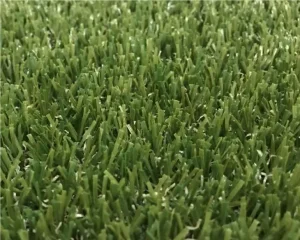
Wholesale Artificial Golf Landscaping Green Grass Manufacturer, Supplier
View Specifications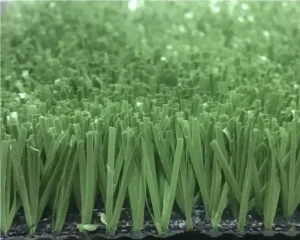
Wholesale Professional Synthetic Turf for Tennis Courts Manufacturer, Suppliers
View Specifications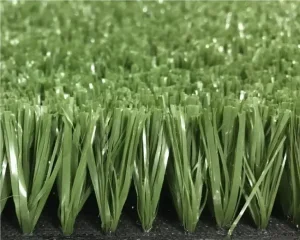
Buy Professional Sand Filled Putting Green Factories, Supplier
View Specifications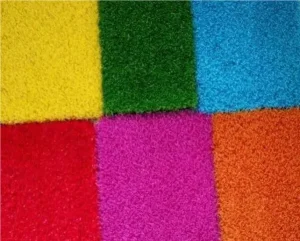
Buy High Quality Colorful Ornamental Grass Products, Suppliers
View Specifications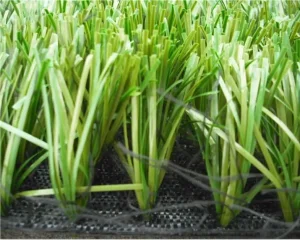
Buy Wear-resistant TenCate Football Turf Product, Factory
View Specifications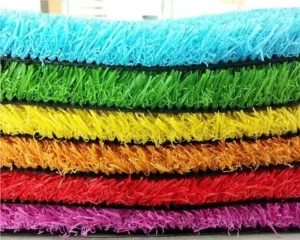
Buy Stylish And Durable Ornamental Grass Products, Product
View Specifications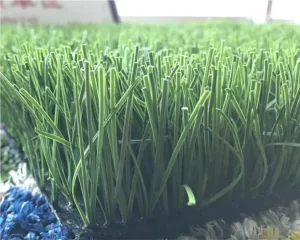
Buy Artificial Soccer Field Turf Factories, Suppliers
View Specifications
OEM FIH Approved Professional Hockey Turf Manufacturer, Factory
View SpecificationsFrequently Asked Engineering Questions
Authoritative technical answers addressing chemical safety, structural integrity, installation physics, and long-term asset performance.