High-Performance Synthetic Solutions
Explore our premium synthetic turf lines manufactured for sports arenas, professional ballparks, and commercial landscape projects worldwide.
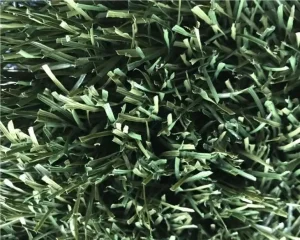
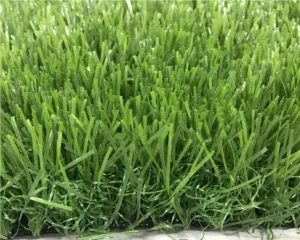
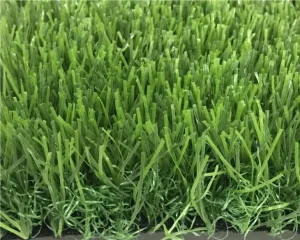
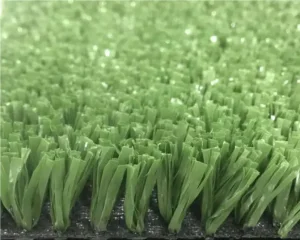
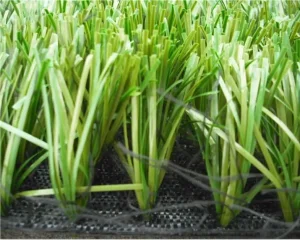
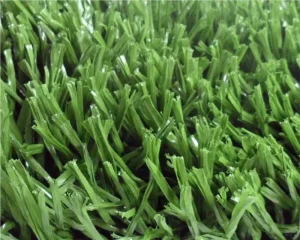
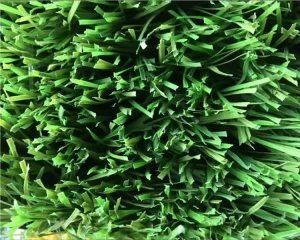
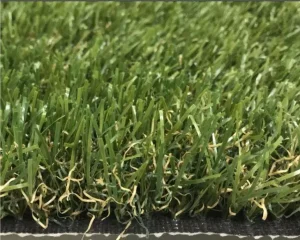
Global Baseball Artificial Turf Commercial Landscape
Understanding shifting procurement dynamics from natural grass maintenance deficits to sustainable, climate-resilient synthetic ballparks across municipal, collegiate, and professional sectors.
Severe Water Scarcity Economics
Traditional stadium dirt infields and clay maintenance consume over 2.5 million gallons of municipal water annually. Synthetic diamond systems reduce operational overhead by upwards of 68% over 10-year facility lifecycles.
True Ball-Bounce Predictability
Infield clay compaction creates erratic hops and athlete soft-tissue injuries. Modern dual-fiber baseball systems guarantee uniform rolling resistance and consistent vertical rebound velocity across intensive seasonal schedules.
Multi-Event Stadium Utilization
Transitioning from pure natural clay diamonds to multi-use synthetic infrastructure allows athletic facilities to host over 1,500 active game hours annually compared to just 350 hours achievable on rainfall-sensitive natural turf.
Localized Baseball Diamond Applications
Field-zone specific engineering addresses variable cleat wear, slide friction, and trajectory physics between outfield, warning track, and sliding base paths.
Infield Sliding Paths & Base Lines
Engineered with heavy-denier texturized nylon/PE filaments blended with specialized ceramic round-sand infill. Delivers non-directional slide resistance, minimal skin abrasion, and zero ruts around bases.
Batting Cages & Practice Facilities
Extreme cleat-wear zones require dense 5mm foam pad backing and ultra-heavy stitch rates. High-tuft bind technology prevents fiber tear-out under repetitive rotational cleat torque.
Outfields & Warning Tracks
Dual-color slit-film and monofilament configurations that simulate natural grass deceleration while distinct high-density terra-cotta fibers deliver auditory and physical alert cues along perimeter walls.
Technical Specification & Systems Architecture
Compare standard and tournament-grade synthetic baseball systems optimized for ball roll coefficient, rotational resistance, and vertical deformation.
| System Level | Pile Height & Fiber Spec | Tuft Gauge & Density | Backing & Coating Matrix | Target Athletic Application |
|---|---|---|---|---|
| Championship Pro Series | 45mm–55mm Diamond Monofilament (12,000–16,000 Dtex) | 3/8 inch | 18,900 stitches/m² | Multi-layer Anti-Aging PP + Net + PU Secondary Coating | Professional Arenas, NCAA Ballparks, Olympic Venues |
| Collegiate & High School | 40mm–50mm C-Shape / Spine PE (10,000–13,000 Dtex) | 5/8 inch | 14,700 stitches/m² | Dual PP woven backing + SBR Latex reinforced | Varsity Fields, Municipal Complexes, Training Centers |
| Indoor Facility & Cages | 12mm–20mm Texturized High-Density Nylon/PP | 3/16 inch | 63,000 stitches/m² | High-Density 5mm Shockpad / Closed Cell EPDM | Commercial Batting Cages, Bullpens, Fielding Arenas |
| Warning Track System | 35mm–40mm Crimson/Terracotta Monofilament | 3/8 inch | 16,800 stitches/m² | Reinforced UV Polypropylene + High-Drainage Latex | Perimeter Field Walls, Warning Barriers, Bullpen Run-offs |
Integrated Manufacturing & Supply Chain Resilience
Combining heritage polymer extrusion with automated high-speed tufting lines to mitigate global shipping risks and deliver unyielding product quality.
Vertical Polymer Formulation
Leveraging direct lineage to RiThai International (producing monofilament since 1977), we compound masterbatches in-house, controlling anti-UV stabilizers, polymer purity, and tensile elongation ratios.
Raw Material Strategic Reserves
Our Kunshan facilities maintain a rolling buffer stock of TenCate certified fibers and medical-grade PE resins, insulating B2B procurement contracts from global polymer price volatility.
Automated Multi-Gauge Precision
Equipped with advanced European tufting heads ranging from 1/10 to 3/4 gauge, enabling tailored tuft density and custom in-laid striping lines manufactured directly within production runs.
Global Compliance, Safety Standards & Future Roadmap
Ensuring project tenders exceed environmental, chemical, and athletic safety certifications across European, North American, and Asian jurisdictions.
Zero PFAS Chemistry
Certified total organic fluorine-free systems compliant with EPA regulations and EU REACH Annex XVII environmental restrictions.
Heavy Metal Elimination
Independent laboratory validation confirming zero trace lead, cadmium, mercury, or harmful plasticizers per EN 71-3 toy safety baselines.
Thermal Dispersion Tech
Next-generation polymer infrared-reflective cool yarn reduces surface temperatures by 12°C compared to conventional synthetic fibers.
100% Circular Recyclability
Development of single-polymer backing and yarn composites enabling pure-stream end-of-life recycling without secondary separation costs.
Frequently Asked Questions by Contractors & Importers
Key technical answers regarding baseball artificial turf engineering, maintenance, delivery schedules, and compliance.
Specialized Sports & Landscape Range
Review additional precision synthetic surfaces for sports complexes, training academies, and municipal recreational fields.