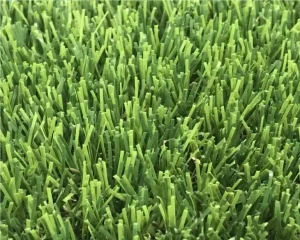
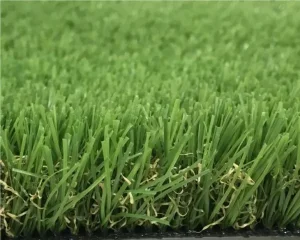
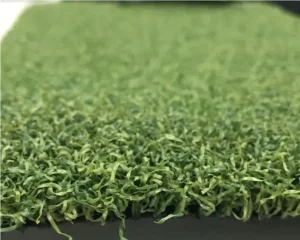
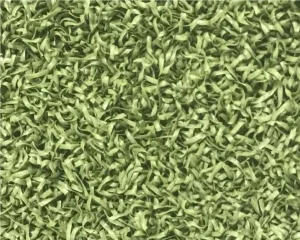
Precision Engineered Sports Turf Systems
Commercial and institutional athletic surface modules engineered to satisfy stringent Lisport abrasion durability, FIFA bounce indices, and continuous multi-climate resilience.
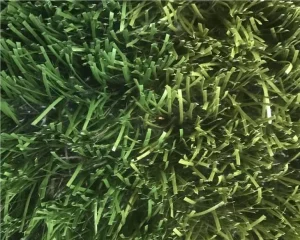
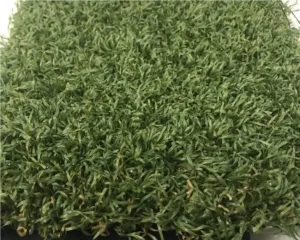
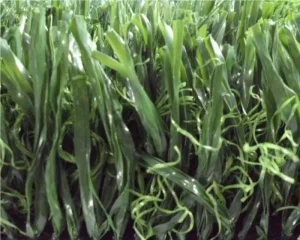
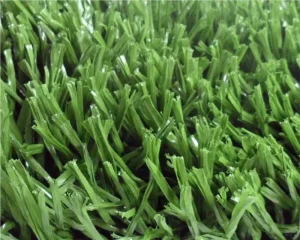
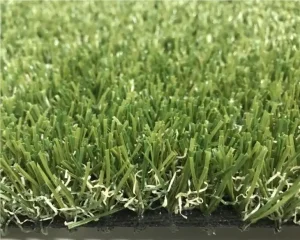
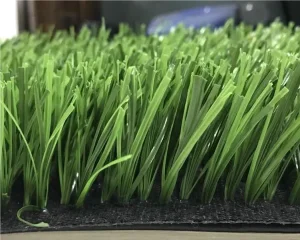
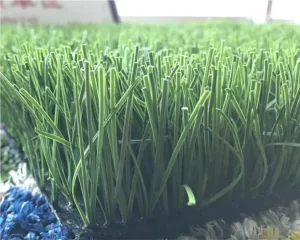
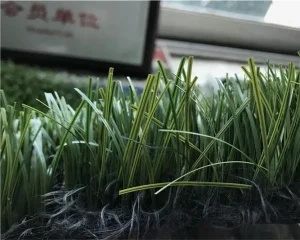
Macro Commercial Status & The Global Soccer Turf Paradigm
A rigorous examination of synthetic sports pitch engineering, geopolitical material demands, and the rapid shift toward sustainable, high-frequency stadium utilization.
Polymer Value Chain Integration
The manufacturing infrastructure of synthetic soccer turf has transitioned from rudimentary carpet conversion to advanced C6/C8 metallocene-catalyzed polyethylene extrusion. Strategic long-term relationships with yarn giants like TenCate guarantee consistent molecular weight distribution, mitigating split-fiber failure in intense wear areas.
- Direct control over polymer compounding and masterbatch dosing
- High-tenacity primary backings resistant to dimensional shifting
FIFA Quality Programme Standardization
Municipalities and private clubs no longer treat turf as a generic textile. Global tenders enforce rigorous compliance with the FIFA Quality and FIFA Quality Pro performance manuals, measuring ball roll (4-8m), vertical ball rebound (0.6-1.0m), and rotational skin friction to minimize anterior cruciate ligament (ACL) trauma.
- Continuous laboratory and field certification verification
- G-max force impact thresholds calibrated between 90 and 130 G
Economic Viability vs. Natural Grass
A natural grass soccer pitch deteriorates after 250-300 operational hours per year and demands immense agronomic irrigation and fertilizer overhead. Modern synthetic soccer fields deliver over 1,800 to 2,200 playable hours annually, completely unaffected by monsoon conditions, sub-zero frosts, or heavy shade geometry.
- Sub-3-year return on investment (ROI) for multi-sport arenas
- Zero herbicide, pesticide, or municipal potable water depletion
Fiber Physics & Cross-Section Geometry Optimization
Understanding the interplay between linear density (Dtex), cross-sectional mechanical stiffness, and UV degradation chemistry in professional football surfaces.
Monofilament Shape Dynamics: Spine vs. Diamond vs. Wave
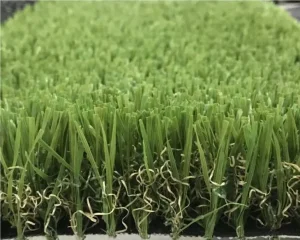
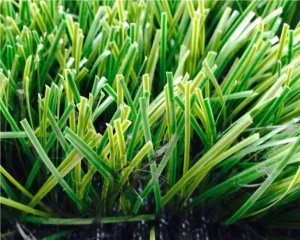
Fiber morphology governs structural memory. Flat tape yarns flatten rapidly under repeated cleat loading, trapping infill and deadening ball roll. Suntex monofilament systems utilize high-resilience geometries:
Diamond & Core-Spine Profiles: Engineered with an augmented center thickness (up to 400 microns) that acts as an elastic structural beam, immediately rebounding vertically post-cleat shear force.
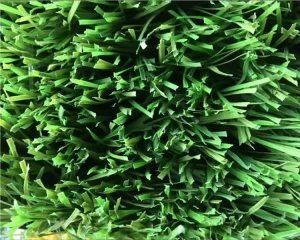
C-Shape & Multi-Rib (W-Shape) Systems: Dissipate incident solar radiation to reduce pitch surface glare while offering optimized skin slide friction to combat epidermal burns during diving tackles.
Polymer Rheology & Photo-Oxidative Stability
Yarn degradation stems primarily from UV photo-oxidation and thermal fatigue. Our specialized formulations integrate high-purity Hindered Amine Light Stabilizers (HALS) that chemically neutralize free radicals formed under rigorous solar UV radiation (exceeding 6,000 W/m² annually).
Dtex Precision: Ranging from 8,800 to 16,500 Dtex (grams per 10,000 meters of yarn), calibrated to resist fiber fibrillation, splitting, and mass loss over 8 to 12 years of continuous stadium use.
Heavy Metal & PFAS Free: Fully certified compliant with REACH Annex XVII and SVHC, guaranteeing zero fluorinated surfactant residue or bioaccumulative hazards.
| System Classification | Typical Pile Height | Dtex Matrix | Recommended Infill Loading | Primary Regulatory Standard |
|---|---|---|---|---|
| Elite Professional Stadium | 50 mm – 60 mm | 12,000 – 16,000 Dtex Monofilament | Silica Sand (15-20kg) + TPE/EPDM/Cork (6-8kg) | FIFA Quality Pro |
| Community & Academy League | 40 mm – 50 mm | 10,000 – 13,000 Dtex Diamond/Spine | Silica Sand (20-25kg) + SBR/Coated Crumb (8-10kg) | FIFA Quality / EN 15330 |
| Next-Gen Non-Infill Sports Pitch | 25 mm – 32 mm | 14,000 Dtex Dense Thatch Hybrid | Zero Elastomeric Infill (Sand Optional 5kg) | EU Microplastic Free |
| Multi-Sport / Futsal Fast Court | 32 mm – 40 mm | 8,800 – 11,000 Dtex Fibrillated/PE | Graded Silica Sand Ballast (18-22kg) | DIN 18035-7 |
System Engineering: Tuft Bind, Backings & Sub-Base Matrices
A football pitch is a composite engineering assembly where subterranean drainage, elastic shock pads, and polymer backings dictate long-term functional biomechanics.
Polyurethane (PU) vs. SBR Secondary Backing
The anchor mechanism of the tufted fiber determines pull-out force. Traditional carboxylated styrene-butadiene rubber (SBR) latex provides cost efficiency. However, state-of-the-art aliphatic/aromatic Polyurethane (PU) coatings eliminate hydrolysis in waterlogged environments, providing superior tuft lock (>45N) and 100% moisture barrier security without crumbling.
Infill Stratification Dynamics
Proper ball bounce relies on granular stratification. Bottom-layer high-purity washed and dried round silica sand (98% SiO₂, 0.5–1.0mm) stabilizes the carpet against wrinkling and thermal movement. The top performance infill—ranging from virgin TPE, EPDM, to organic cork granules—delivers elasticity, natural shoe cleat penetration, and controlled energy return.
Elastic Shock Pad Layering (e-Layer)
To consistently pass FIFA head injury criteria (HIC) and guarantee uniform force reduction (55%–70%) across the entire 7,140 m² pitch surface, continuous in-situ elastic layers or pre-fabricated closed-cell crosslinked polyethylene (XPE) shock pads are integrated beneath the turf, preserving shock compliance independent of infill compaction over time.
Environmental Mandates: The Microplastic Transition & Circularity
Analyzing the seismic impact of EU Commission Regulation 2023/2055, PFAS phase-outs, and the engineering path toward 100% recyclable single-polymer mono-material pitches.
The 2031 EU Microplastic Infill Ban Roadmap
With the European Union restricting intentionally added microplastics under 5mm, the era of uncontained polymeric rubber infill (SBR crumb from end-of-life tires) is sunsetting. Global wholesale importers are actively re-specifying their supply pipelines toward two sustainable vectors:
- Organic & Natural Infill Matrices: Utilizing sustainably harvested cork, pine bark, olive core particles, and bio-mineral composites with zero microplastic runoff.
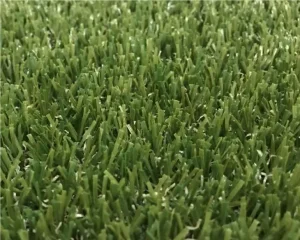
- High-Density Non-Infill Football Turf: Pairing resilient curled texturized thatch yarns with straight monofilaments to eliminate performance infill altogether while maintaining FIFA force reduction.
Mono-Polymer Closed Loop Recycling
End-of-life disposal has historically presented a recycling bottleneck due to the difficulty of separating polyethylene (PE) blades, polypropylene (PP) backing cloths, and latex adhesive coatings. Forward-thinking manufacturers are pioneering All-PE Mono-Material Assemblies.
By producing the face fiber, the primary woven backing, and the hot-melt secondary coating entirely from pure Polyethylene resin, decommissioned soccer pitches can be directly melted and shredded into high-grade polymer pellets without costly mechanical separation, closing the circular cradle-to-cradle loop.
Engineered Solutions for Extreme Global Climates
Customization protocols tailored to mitigate thermal expansion, catastrophic monsoon pooling, and high UV aging across distinct global geographical sectors.
Arid & High-Solar Zones (Middle East & North Africa)
Surface temperatures on standard artificial grass can surge past 75°C under direct solar radiation. Fields engineered for GCC markets feature specialized thermal-reflective pigments that drop pitch temperatures by up to 10–12°C. Elevated HALS dosing protects polymers from breaking under 180+ KLy solar exposure rates.
Tropical High-Rainfall Corridors (Southeast Asia & LATAM)
Flash precipitation requires extreme vertical drainage flow capacity exceeding 2,500 mm/hour. Turf backings are precision punched with CNC drainage apertures or manufactured with micro-porous all-permeable PU matrix backings. Sub-base aggregate profiling prevents substrate silt migration and wash-out.
Sub-Zero & Freeze-Thaw Environments (Nordic & High-Altitude)
Rapid thermal transitions cause inferior latex backings to crack and shear away from the carpet matrix. Our winterized football turf employs ultra-ductile linear low-density metallocene PE yarns blended with cold-resistant polymer modifiers that maintain flexural modulus at temperatures plunging below -35°C.
Decadal Technology Roadmap: 2026–2035
The strategic migration from passive synthetic turf to interactive, sensor-integrated, and circular-carbon athletic surface infrastructure.
Full Non-Infill Mainstream Adoption
Standardization of high-density texturized non-infill turf systems across UEFA and AFC tier-2 community venues to preempt international microplastic restrictions.
100% Bio-Based Polyethylene Resins
Commercial conversion of fossil-derived ethylene feedstocks to bio-ethanol sourced from non-food agricultural waste, achieving carbon-negative yarn profiles.
Integrated Sub-Surface IoT Telemetry
Direct embedding of flex-printed piezoresistive sensor meshes within the shock pad stratum to continuously monitor real-time G-max, moisture retention, and infill displacement.
Autonomous Robotic Maintenance Fleets
AI-navigated autonomous turf grooming machines synced with pitch telemetry data to dynamically aerate, de-compact, and groom high-wear goalmouth zones without human labor.
Turnkey Macro Solutions for Contractors, Wholesalers & Stadium Developers
Comprehensive supply chain engineering from computer-aided seam optimization to intermodal shipping risk containment.
CAD Cutting & Seam Optimization
Every commercial pitch project ships with a tailored factory layout plan. Turf rolls are custom-cut to exact pitch dimensions (typically 4m or 2m widths) with factory-integrated line markings woven directly into the green carpet. This drastically cuts on-site adhesive seaming labor by 40% and reduces fabric cutting waste from 12% to under 2.5%.
Intermodal Freight & Volumetric Efficiency
Turf roll packaging density dictates landed landed cost per square meter. Our high-pressure hydraulic re-rolling systems compress finished rolls without crushing monofilament spine structures. A standard 40ft High Cube (HC) container reliably accommodates up to 4,200 m² of 50mm football turf, slashing international shipping costs per unit.
B2B OEM Private Label & Tender Documentation
We supply premier sports infrastructure contractors with comprehensive white-label branding, customized geotextile roll wrappers, specialized core tagging, and authoritative laboratory submittal packets (including DIN 18035-7, EN 15330-1, LABOSPORT mechanical test reports, and non-flammability certifications) to streamline municipal tender wins.
Frequently Asked Technical Questions (FAQ)
Expert answers addressing fiber degradation, testing methodology, municipal compliance, and field life-cycle stewardship.
What is the fundamental difference between FIFA Quality and FIFA Quality Pro certification?
FIFA Quality is specifically calibrated for municipal, school, and community pitches with high usage frequencies (typically 40–60 hours/week), focusing on longevity and durability. FIFA Quality Pro is strictly engineered for elite professional match venues (up to 20 hours/week), demanding exact tolerances for ball rebound, ball roll, rotational resistance, and athlete shock absorption to mirror first-class natural grass.
How does the Lisport XL mechanical test measure artificial soccer turf durability?
The Lisport XL simulator subjects a turf sample to mechanical wear using heavy spiked rollers configured with studded plates moving in opposing, sliding patterns. A professional-grade football pitch must withstand at least 15,000 to 20,000 continuous test cycles without severe fiber splitting, significant pile height loss, or secondary backing separation, equating to approximately 8 to 10 years of standard field service life.
Why is Polyurethane (PU) secondary backing superior to SBR latex in high-precipitation zones?
SBR latex bonds mechanically and is vulnerable to chemical breakdown through persistent moisture exposure (hydrolysis), which can lead to fiber detachment, rot, and edge fraying. Cross-linked Polyurethane forms a robust chemical weld with the primary polypropylene backing cloth. PU completely resists moisture degradation, provides 30% higher tuft-bind retention, and weighs less, lowering shipping costs.
What is the engineering mechanism behind non-infill sports turf systems?
Non-infill systems replace traditional loose sand and crumb rubber layers by pairing resilient straight monofilaments with dense, heavily texturized texturized polyethylene thatch yarns. This thick secondary thatch acts as a built-in shock-absorbing cushion that keeps the structural blades upright. When installed over an elastic shock pad, non-infill fields reliably deliver FIFA-standard ball response without the mess or maintenance of loose granular infill.
How do modern soccer turf yarns ensure certified PFAS-free compliance?
Standard legacy plastics extrusion historically utilized per- and polyfluoroalkyl substances (PFAS) as polymer processing aids (PPAs) to lubricate extrusion dies and prevent melt fracture. Modern certified turf manufacturing replaces fluorinated PPAs with pure polyethylene-based waxes and organosilicone processing aids. Each manufacturing batch undergoes independent test validation via EPA 537.1 or total organic fluorine (TOF) combustion tests.
What routine preventative maintenance protocol preserves FIFA compliance the longest?
Field longevity requires regular maintenance: every 40-50 hours of play, brush with triangular grooming rakes to restore vertical fiber posture and redistribute migrating infill. De-compact the infill every six months with spring tines to maintain proper surface softness (G-max under 120 G), run regular magnet sweeps to remove broken metal cleats, and promptly top-off high-impact penalty and corner kick spots.
High-Durability Athletic & Institutional Grass Catalog
Explore our complete OEM/ODM production series—from high-tensile hockey and baseball pitches to non-toxic recreational school surfaces and specialized multi-sport turf.