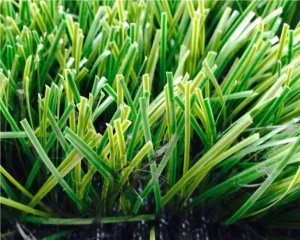
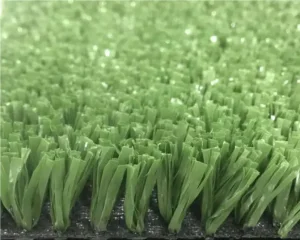
Direct Factory Sourcing
Featured OEM Athletic Pitch Systems & Turf Configurations
Factory-direct synthetic fiber grades engineered in parallel with athletic turf care, providing certified shock attenuation, uniform ball mechanics, and extreme UV weatherability.
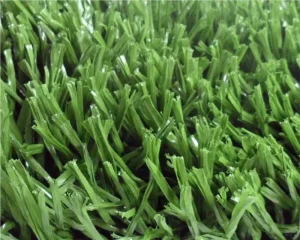
OEM FIFA Standard Synthetic Football Turf
Explore Specs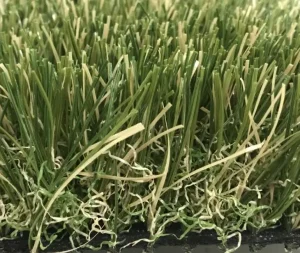
High Density Two-color Landscaping Turf
Explore Specs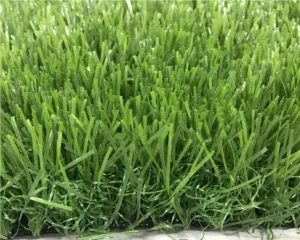
Drainable Antibacterial Pet Turf Surface
Explore Specs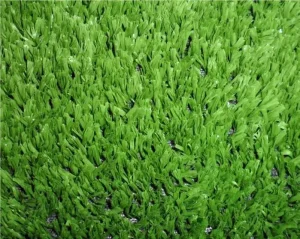
Wholesale ITF Approved Tennis Turf
Explore Specs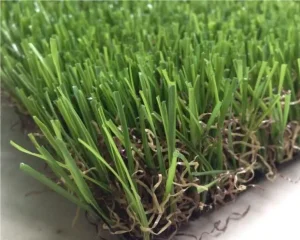
Multipurpose Golf Course Rough Grass
Explore Specs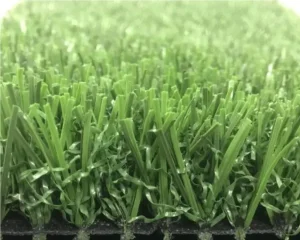
New Engineered Multi-Sports Turf Field
Explore Specs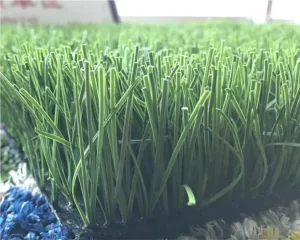
High-Durability Stadium Soccer Field Turf
Explore Specs
Macro Agronomic Dynamics
Global Industry Trends in Sports Turf Fertiliser & System Integration
The high-performance turf management industry is transitioning from legacy bulk chemical broadcast methods toward controlled-release nitrogen polymer matrices and biologically active organo-mineral nutrition.
Controlled-Release Polymers (CRF)
Modern sports facilities demand precise N-P-K nutrient release matched to soil temperature curves. Polyurethane and sulfur-coated urea (SCU) prevent nitrogen surges, ensuring consistent tensile shear strength without leaf tip burn.
Micro-Bioproducts & Biostimulants
Seaweed extracts, fulvic fractions, and mycorrhizal consortia optimize root depth. Deeper root mass enhances field stabilization, enabling athletic turf to endure sliding shear forces exceed 45 Nm without sod tearing.
Hybrid Turf & Synthetic Compatibility
Modern stadia increasingly utilize hybrid turf reinforcement systems. OEM sports turf fertilizers are chemically calibrated to avoid plasticizer migration, fiber embrittlement, or backing degradation in mixed natural-synthetic zones.
48%
Reduction in Nitrate Leaching
75mm
Max Monofilament Precision
100%
PFAS-Free Tested Backing
30+
Countries Global B2B Reach
Procurement Engineering
B2B Enterprise Procurement Criteria for Sports Turf Formulations
International sports contractors, municipal sports authorities, and golf course syndicates operate under strict procurement mandates designed to minimize agronomic liability and operational lifecycle costs.
1. Granulometry Integrity and SGN Consistency (Size Guide Number)
Procurement teams prioritizing athletic greens evaluate SGN variance meticulously. High-end golf putting surfaces and hybrid soccer grounds require micro-granules ranging from SGN 90 to 120, while broad outfield athletic surfaces deploy SGN 200–240. Factory precision in OEM blending prevents particle segregation inside pneumatic spreaders, eliminating striping and irregular turf bounce characteristics.
Under tight international tender standards, uniformity index (UI) metrics must exceed 50. Granules must demonstrate minimum crush strengths (typically >2.5 kg/granule) to ensure dust-free pneumatic application and prevent immediate atmospheric dispersion during aerification events.
2. Zero-Phosphate and Environmental Water Basin Restrictions
Across the European Union (under the Water Framework Directive) and North American watersheds, athletic pitch maintenance faces rigorous phosphorus bans unless specific soil deficiencies are verified by accredited third-party lab assay. OEM factories must offer custom N-K heavy ratios (such as 24-0-12, 18-0-18, or 15-0-25) balanced with chelated iron (Fe-EDTA/EDDHA) and manganese to produce instant dark visual color without stimulating runaway vertical clipping volumes.
3. Synthetic & Polymer Substrate Inertness
Where natural turf is integrated alongside synthetic monofilament fibers (hybrid reinforcement systems), the fertilizer formulation must remain non-reactive with polypropylene (PP), polyethylene (PE), and polyurethane (PU) backing latices. Chemical manufacturers must verify that acidic or high-ammoniacal formulations do not induce oxidative degradation or hasten UV stabilizer loss within polymer yarn filaments.
Technical Specifications
Engineering Matrix: Formulation Matching by Turf Application
A systematic comparison of specialized athletic fertilizer grades and corresponding synthetic backing environments.
| Turf Sector | Target SGN | Release Mechanism | Key Agronomic Metric | OEM Customization Vector |
|---|---|---|---|---|
| Professional Soccer (FIFA Quality) | 100 – 140 | Polymer-Coated Urea (80-120 Day) | Tensile root shear strength & shock absorption | Chelated Fe, high potassium for wear resistance |
| Golf Greens & Tees | 90 – 110 | Methylene Urea / Isobutylidene Diurea | Zero mowing pickup, tight putting roll speed | Zero phosphate, fine-mesh soluble sulfate |
| Multi-Sport Municipal Fields | 180 – 220 | Sulfur-Coated Urea / Organo-Mineral | Cost per m² & consistent biomass recovery | High humic acid fraction for compaction tolerance |
| Tennis & Rapid Roll Courts | 120 – 150 | Controlled Temperature Activation | Fast recovery after extreme surface shearing | Balanced magnesium for low-sunlight stadia |
| Hybrid Matrix Pitches | 100 – 130 | Bio-Enzymatic Microbial Release | Polymer fiber compatibility, anti-caking | Neutral pH, sulfur free, safe for TenCate fibers |
Traceability & Risk Mitigation
Regulatory Compliance, Auditing & Quality Governance
Navigating global chemical governance frameworks is the primary barrier for international turf procurement. Reliable factories implement dual-track testing architectures.
Heavy Metal Limits & REACH Compliance
Full conformance with EU REACH Annex XVII ensures fertilizer blends remain strictly below allowable threshold ceilings for cadmium (Cd), lead (Pb), and arsenic (As). Every factory batch carries ICP-OES elemental analysis documentation for complete peace of mind.
Zero PFAS & Microplastic Directives
With tightening European Chemicals Agency (ECHA) standards on synthetic turf infill and intentional microplastics, fertilizer encapsulation shells utilize certified bio-degradable aliphatic polyesters and modified resin coatings that break down harmlessly in soil profiles.
Triple ISO Certified Manufacturing
Production hubs maintain ISO 9001 (Quality Management), ISO 14001 (Environmental Responsibility), and ISO 45001 (Occupational Safety) certifications, standardizing physical particle stability and ensuring uniform chemical batch homogeneity.
Innovation Trajectory
Technological Roadmap: The Next Decade of Sports Turf Science
From AI-driven sensor integration to carbon-negative nitrification inhibitors, discover how next-generation sports agronomy is evolving.
Phase 1: Near-Term
Enzymatic Smart Coatings
Granular membranes that respond directly to soil root exudates (organic malate and citrate secretions) rather than soil temperature alone, releasing nitrogen and phosphorus exclusively during peak root uptake windows.
Phase 2: Medium-Term
Carbon-Negative Turf Input
Integration of micronized biochar matrices infused with biological endophytes. Enhances natural cation exchange capacity (CEC) while sequestering 1.8 tons of atmospheric CO2 equivalent per full-sized stadium pitch annually.
Phase 3: Long-Term Horizon
Spectral Turf Maintenance
Synergizing drone multispectral NDVI imagery with automated GPS precision spreaders. Granular micro-dosing delivers targeted localized nutrition to high-wear goalmouth zones while skipping low-traffic pitch boundaries.
Expert Inquiries
Frequently Asked Questions (FAQ) for Enterprise Importers
Detailed answers addressing minimum order volumes, custom chemical blending, shelf life preservation, and export documentation.
What are the typical minimum order quantities (MOQ) for custom OEM fertilizer formulations?
Custom granular chemical blending generally requires a minimum batch size of 20 to 25 metric tons (equivalent to one standard 20-foot full container load). This threshold allows precision calibration of rotary drum coaters, liquid binder additions, and automated bagging packaging lines with custom private label branding.
How are sports turf fertilizers protected against caking and moisture absorption during sea transit?
Export goods utilize multilayer moisture-barrier packaging: 25 kg multi-wall polyethylene (PE) or laminated woven polypropylene (PP) bags with internal heat seals. Bagged goods are palletized, desiccated, machine stretch-wrapped, and capped with weather-proof plastic tops to withstand high humidity environments during transoceanic shipping.
Can your facility manufacture zero-phosphorus formulas specifically designed for fragile watersheds?
Yes. We regularly produce specialized 0-P blends (e.g., 28-0-10, 20-0-20, 16-0-8) utilizing potassium sulfate (SOP) instead of potassium chloride (MOP) to maintain exceptionally low salinity indices, making them safe for sensitive bentgrass greens and compliant with strict municipal water regulations.
How do sports fertilizers interact with synthetic fibers in hybrid grass fields?
Our hybrid-safe formulations are engineered to remain non-oxidizing and chemically neutral (pH 6.2–6.8). They contain no aggressive aromatic solvents or free acids that could compromise the tensile strength of TenCate monofilaments or accelerate the breakdown of primary backing compounds.
Complete Sports Catalog
Full-Spectrum OEM Field Turf Systems & Athletic Surfacing
Explore our expanded range of international tournament-tested synthetic and hybrid athletic field configurations.
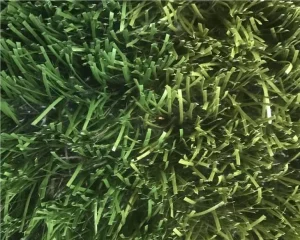
TenCate Heavy Impact Rugby Surface Turf
Explore Specs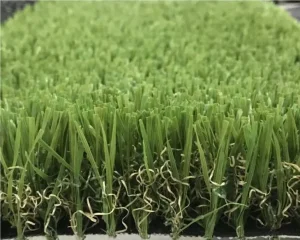
OEM High-Flow Drainable Pet Turf
Explore Specs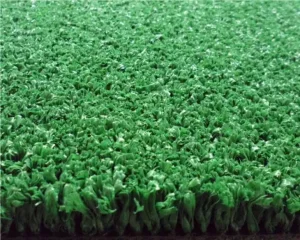
Professional Field Hockey Artificial Turf
Explore Specs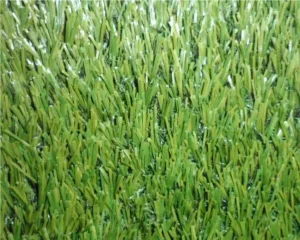
High-Traffic Synthetic Baseball Turf
Explore Specs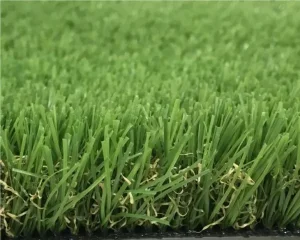
Eco-Safe Non-Toxic Residential Landscape
Explore Specs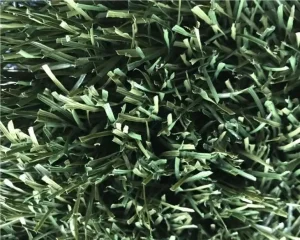
FIFA Certified Competitive Match Football Turf
Explore Specs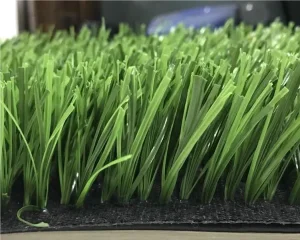
Elite Training Ground Synthetic Football Turf
Explore Specs