FIFA Standard Engineering
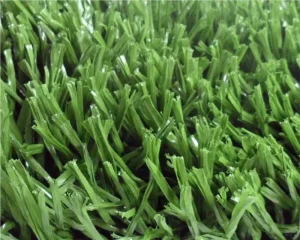
OEM FIFA Standard Synthetic Football Turf for Soccer Pitches Manufacturer, Products
View Technical SpecsExplore high-specification artificial sports turf systems, golf greens, and multi-functional surface rolls ready for global OEM batch custom manufacturing and private label distribution.
OEM FIFA Standard Synthetic Football Turf for Soccer Pitches Manufacturer, Products
View Technical Specs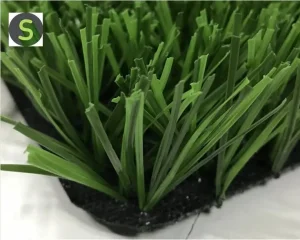
Wholesale FIFA Approved Artificial Turf for Soccer Field Manufacturers, Product
View Technical Specs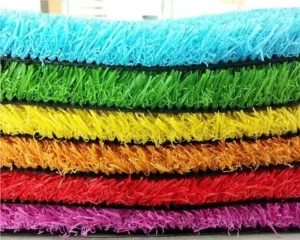
Buy Stylish And Durable Ornamental Grass Products, Product
View Technical Specs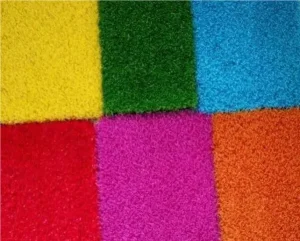
Buy High Quality Colorful Ornamental Grass Products, Suppliers
View Technical Specs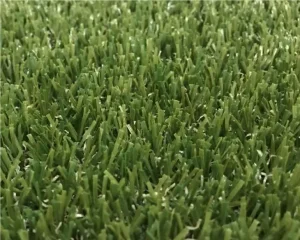
Wholesale Artificial Golf Landscaping Green Grass Manufacturer, Supplier
View Technical Specs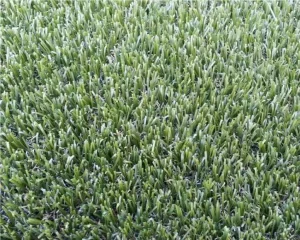
OEM High-Density UV-Resistant Artificial Grass Turf for Garden & Lawn Manufacturers, Product
View Technical Specs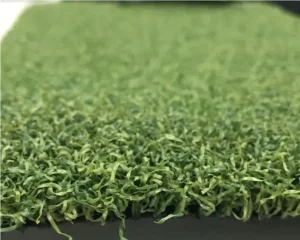
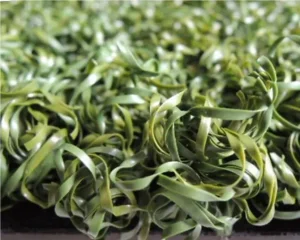
Buy Synthetic Turf for Baseball Surface Products, Suppliers
View Technical SpecsA comprehensive examination of shear strength, stimpmeter velocity tuning, and angular silica sand hydrodynamic stabilization in synthetic golf systems.
Unlike fixed non-infilled crimped nylon greens that hold a static roll rating between 9.0 and 10.5, sand-filled synthetic putting greens provide micro-adjustable ball roll speeds ranging from 9.5 to 13.5+ on the Stimpmeter. By varying sand compaction density, brush-finishing techniques, and rounded quartz grain sizing (30–50 mesh), professional course designers and private brand owners can simulate conditions identical to PGA-grade bentgrass or USGA-standard greens.
The decisive performance metric separating commercial golf facilities from amateur backyard setups is the capacity to hold a pitch or flop shot from 80 to 150 yards out. Sand-filled structures dissipate vertical kinetic energy into the granular silica matrix without synthetic fiber rebound. The incoming golf ball interacts with the sand grain boundary layers and backspin grip exactly as it would on living turfgrass rootzones, eliminating excessive bouncy skip.
Infilled synthetic putting greens leverage the deadweight of kiln-dried silica sand (averaging 3.5 to 5.0 lbs per square foot). This substantial ballast physically locks the tufted carpet matrix against ground movements, thermal expansion wrinkles, and wind shear lifting. The sand infill simultaneously shields the primary polypropylene backing and polyurethane binding layers from destructive solar UV degradation, extending service life beyond 12–15 years.
In sand-filled OEM specifications, the friction coefficient generated by quartz sand granules against polymer fibers is paramount. Extruded fibrillated Polypropylene (PP) and specialized low-friction Polyethylene (PE) monofilaments are engineered to withstand continuous silica abrasion without splitting or fibril shearing. In contrast, while pure Polyamide (PA / Nylon) excels in non-infilled greens due to structural memory, its high moisture absorption coefficient makes PP/PE hybrids the superior choice in outdoor sand-infilled climates where extreme rain cycles and freezing ground shifts occur.
Analyzing procurement behavior, technical risk mitigation, and supply chain accountability across tier-1 golf contractors, landscape distributors, and hospitality developers.
Procurement teams for championship driving ranges, resort-style putting courses (such as PopStroke-style entertainment hubs), commercial rooftops, and high-end residential contractors require strict factory tolerances. Standard turf fails under commercial traffic where thousands of putts roll across identical paths each week. OEM buyers evaluate:
When sourcing from artificial grass factories, international brand holders must distinguish between simple assembly tufters and true polymer-extruding manufacturing powerhouses. Key audit criteria include:
From resin pellet formulation to precision backing curing: how modern synthetic sports factories manufacture sand-filled turf that maintains PGA-caliber true roll over a decade.
Virgin Polyethylene (PE) or high-tensile Polypropylene (PP) chips are blended with optical stabilizers, masterbatch pigments, and specialized HALS (Hindered Amine Light Stabilizers) in twin-screw extruders. The extruded ribbons are water-quenched, stretched through heated godets at calibrated draw ratios, and texturized to generate structural curl that captures silica grains while resisting permanent bending under foot pressure.
Automated multi-needle tufting machinery operates at tight 3/16 inch, 5/32 inch, or 1/8 inch machine gauges. The needles insert yarn loops into dual-layer woven polypropylene backing fleece interlined with structural fiberglass mesh. This dual-matrix prevents roll skewing, stretching, or thermal contraction under seasonal variations ranging from -30°C in Nordic winters to +55°C in Gulf summers.
The tufted base moves into automated coating tunnels where high-grade Polyurethane is applied directly to the root stitches. PU coating provides total fiber root encapsulation, impervious water resistance, zero delamination when soaked, and superior environmental compliance compared to traditional vulcanized latex. Automated punch units subsequently create precision drainage channels yielding drainage capacities > 500 mm/hour.
| Technical Parameter | OEM Sand-Filled Putting Green | Non-Infill Crimped Nylon (PA) | Standard Landscape Turf | Multi-Sport Synthetic Surface |
|---|---|---|---|---|
| Typical Pile Height | 13 mm – 18 mm | 12 mm – 15 mm | 25 mm – 45 mm | 15 mm – 25 mm |
| Primary Fiber Polymer | High-Abrasion PE / Fibrillated PP | Texturized Polyamide 6,6 (Nylon) | PE Monofilament + PP Thatch | Polyethylene / Polypropylene Core |
| Infill Requirement | 3.5 – 5.0 lbs/sq.ft Silica (Round 30-50) | None (Non-Infill Structural) | Optional (1.0 lb/sq.ft ballast) | 2.0 – 3.5 lbs/sq.ft Sand/Rubber |
| Stimpmeter Roll Control | 9.5 – 13.5+ (Tunable by Sand Level) | 9.0 – 10.5 (Fixed) | Uncontrolled (< 6.0) | 7.0 – 8.5 (Fast Multi-Sport) |
| Approach Shot Holding (100+ yds) | Excellent (True Ground Spin Release) | Moderate (Elastic Fiber Rebound) | Poor (Excessive Sink or Bounce) | Moderate to Hard |
| Tuft Bind Strength (ISO 4919) | > 40 N (PU Backed High Force) | > 35 N (Latex / PU) | > 30 N (Standard) | > 35 N |
| Drainage Permeability | > 500 mm / hr (Micro-perforated) | > 400 mm / hr | > 600 mm / hr | > 500 mm / hr |
Navigating strict environmental certifications, PFAS elimination mandates, VOC emissions, and municipal project safety guidelines.
Global environmental mandates—notably the European Chemicals Agency (ECHA) REACH restriction annexes and US State level regulations (California Prop 65, Maine PFAS Law)—now prohibit fluorine-processing processing aids (PPAs). Modern OEM synthetic putting greens must be completely PFAS-free. Factory batch certificates verifying total organic fluorine (TOF) below detectable limits (< 50 ppm) ensure smooth container clearance through international customs without seizure risk.
For putting greens installed in architectural atriums, luxury high-rise rooftops, shopping lifestyle centers, or enclosed sports complexes, fire retardancy compliance is non-negotiable. OEM tufting specifications must provide certified testing according to EN ISO 9239-1 (Reaction to Fire for Floorings) achieving Cfl-s1 or Bfl-s1 ratings, and ASTM E648 Critical Radiant Flux ratings, guaranteeing non-propagating flame behavior and low smoke toxicity.
A sand-filled putting green is only as consistent as its foundation. OEM manufacturers provide comprehensive sub-base civil guidelines tailored to local geographic conditions: dynamic crushed limestone aggregate layers (4–6 inches) with vibratory plate compaction for freeze-thaw zones, permeable asphalt foundations for luxury hotel rooftops, and engineered polypropylene shock pads (10mm to 15mm) to absorb impact while sustaining rapid downward drainage.
Complete product matrices covering multi-sport infill designs, baseball diamond turfs, high-durability fairway grasses, and specialized contractor-grade putting turf.
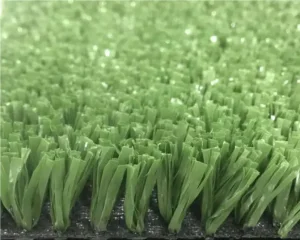
Buy Sand Filled Multi-artificial grass Manufacturer, Supplier
View Technical Specs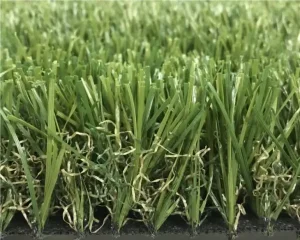
Wholesale Customized Tough And Nonslip Decorative Grass Product, Supplier
View Technical Specs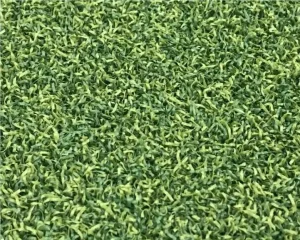
Buy Wholesale Nonslip Putting Green Turf Factories, Factory
View Technical Specs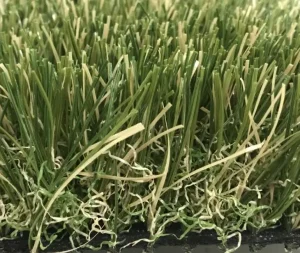
Buy High Density Two-color Landscaping Turf Manufacturer, Factory
View Technical Specs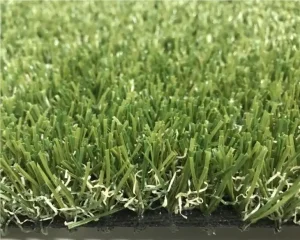
Buy Economical And Tough Golf Fairway Grass Product, Supplier
View Technical Specs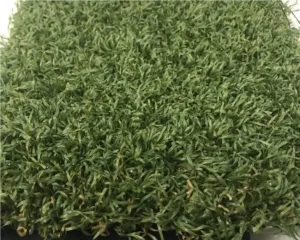
OEM Non-Infill Multi-Sport Artificial Turf Manufacturers, Products
View Technical Specs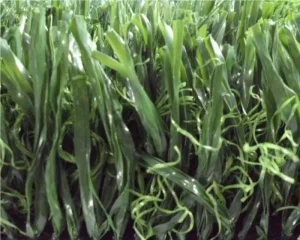
Buy Artificial Baseball Turf manufacturer Product, Factories
View Technical Specs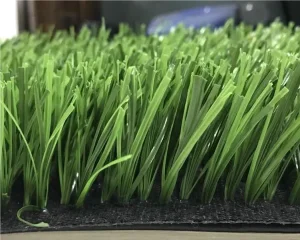
OEM Customized Affordable Artificial Football Turf Manufacturer, Factory
View Technical SpecsAuthoritative technical answers to critical engineering, installation, and procurement questions encountered by global importers and project architects.
Never use angular masonry sand or standard construction sand. Sand-filled putting greens require kiln-dried, sub-rounded or spherical washed silica quartz sand with a 30–50 US Mesh sizing (0.30mm to 0.60mm). Spherical grains permit continuous water filtration, reduce compaction over time, and eliminate abrasive sharp edges that cut polymer monofilaments during rolling. For high-end luxury commercial greens, acrylic-coated or ceramic-coated colored quartz infill (green or natural sand tones) prevents dust generation and reduces surface heat buildup by up to 15°F.
Grain bias occurs when extruded monofilament fibers lay predominantly in one direction, creating unnatural ball trajectory deviations. High-end OEM tufting facilities overcome this through two proprietary processes: first, high-temperature heat-setting of crimped texturized yarns, creating a non-directional curly pile; second, pairing fibrillated tape yarn with high-density stitch gauge ratios (over 65,000 stitches/m²). When top-dressed with sand infill and rolled with a weighted vibratory greens roller, the ball encounters equal roll resistance in 360 degrees.
The industry gold standard for sand-filled putting greens is a pile height of 13 mm to 16 mm (approx. 1/2 to 5/8 inch). A pile lower than 12 mm cannot retain sufficient sand ballast (3 to 4 lbs/sq.ft) to dissipate high-velocity chip shot impact energy. Conversely, a pile exceeding 18 mm causes excessive ball sinkage and slows the Stimpmeter speed below acceptable commercial standards (dropping below 8.0 Stimp). OEM factories customize pile height down to millimeter accuracy to match specific regional preferences.
Traditional SBR latex absorbs ground water in high-humidity or sub-surface saturation conditions, leading to softening, tuft pull degradation, and eventual rot. Polyurethane (PU) creates a thermoset polymer matrix that permanently encapsulates each yarn tuft. PU is entirely impervious to moisture, withstands severe ground freeze-thaw cycles without brittleness, releases zero volatile organic compounds (VOCs), and delivers a tuft bind strength surpassing 45 Newtons.
Because putting green turf has high stitch density (60,000 to 80,000 stitches/m²), the carpet weight without sand is approximately 2.2 kg to 2.8 kg per square meter. A standard 40-foot High Cube (40' HC) maritime container typically accommodates approximately 4,500 to 5,500 square meters of 15mm putting green rolls (supplied in 2m or 4m standard roll widths, wound around high-crush-resistance cardboard cores and sealed in protective woven UV geotextile wrapping).
UV stabilization is formulated into the polymer at the molecular stage during masterbatch blending. Industrial factories employ concentrated Ciba-Geigy Chimassorb and Tinuvin Hindered Amine Light Stabilizers (HALS) calibrated to provide over 25,000 ppm active protection. Production samples undergo continuous accelerated weathering in QUV fluorescent test chambers (ASTM G154) and Xenon Arc exposure (ISO 4892) simulating 5,000+ continuous hours—equivalent to 10+ years of high-intensity solar irradiance in Arizona, Dubai, or Australia.