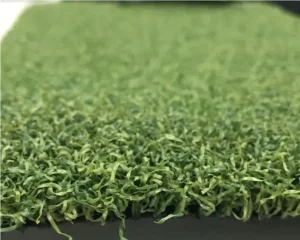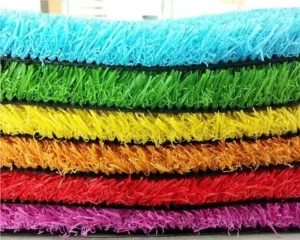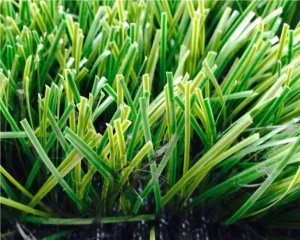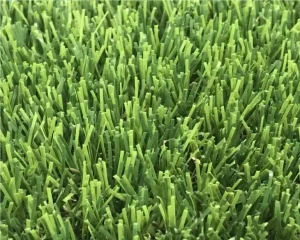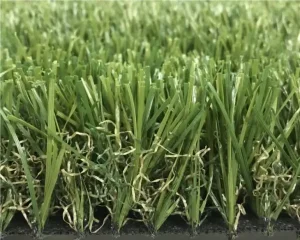
Featured OEM Sports & Multi-Sport Grass Solutions
Direct manufacturer tufting lines engineered for commercial distribution, professional stadiums, and resilient landscape projects worldwide.
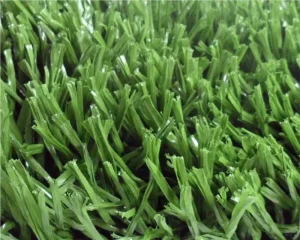
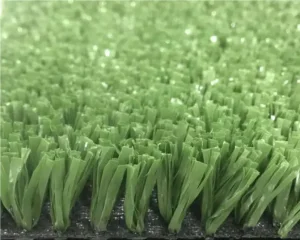
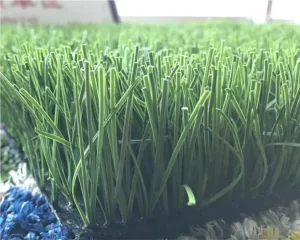
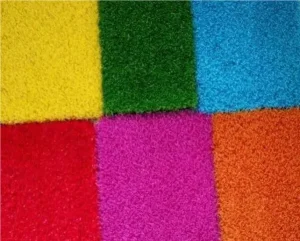
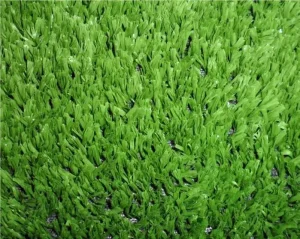
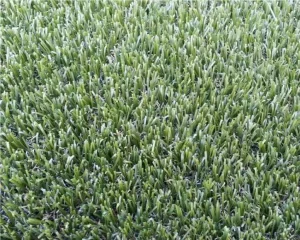
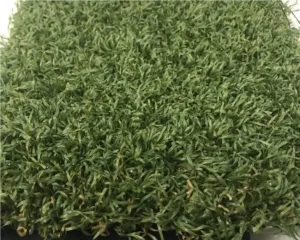
Rugby Turf Procurement & Manufacturing Ecosystem
A technical assessment of high-impact sports turf engineering, World Rugby Regulation 22 compliance, and factory-direct OEM yarn systems.
60-65mm
Optimized Rugby Pile Height
1.3m+
Critical Fall Height (HIC)
16,000+
Dtex Monofilament Toughness
100%
PFAS-Free Tested Production
Mechanical Impact Absorption
Unlike standard soccer turf, synthetic rugby systems require specialized shock pad sub-bases combined with high-density infill systems to mitigate concussion risks and absorb heavy scrummaging forces up to 2.5 kN.
Polymer Skin Friction Safety
OEM extrusion formulation utilizes specialized slip additives within linear low-density polyethylene (LLDPE) to significantly lower friction coefficients, preventing turf burn during intense sliding tackles and dives.
Five-Decade Polymer Pedigree
Rooted in parent company RiThai International's extrusion foundation since 1977, Suntex Sports-Turf provides factory accountability from monofilament pellet masterbatch compounding to tufting and automated PU backing lines.
Global Enterprise Procurement Demands & Strategic Solutions
Analyzing procurement pain points for multi-stadium contractors, international tender authorities, and OEM sports brands.
World Rugby Regulation 22
B2B stadium developers demand rigorous independent testing. Suntex ensures turf-shock pad assemblies satisfy the Head Injury Criterion (HIC ≥ 1.3m), vertical deformation (6-11 mm), and rotational resistance (30-45 Nm).
Microplastic Infill Regulations
With global bans on polymeric microplastic infills (such as SBR granules in Europe), our OEM engineering department delivers non-infill multi-sport systems and mineral/organic sand infill solutions with optimized fiber lock.
Full Private-Label Customization
We supply international turf brands with custom roll widths (up to 5 meters), bespoke stitch densities (up to 10,500 stitches/m²), tailored branding stencils, and dual-layer PP+Mesh + Polyurethane/SBR backing systems.
Technical Engineering Parameters for Rugby Turf Manufacturing
Direct comparison of critical structural specifications across high-impact and multi-use turf applications.
| Application Grade | Pile Height | Yarn Shape & Structure | Dtex & Micron | Backing Coating | Primary Regulatory Standard |
|---|---|---|---|---|---|
| Pro Rugby Stadium | 60 mm – 65 mm | Monofilament Diamond / Spine Profile | 16,000 – 17,500 Dtex / 400μm | Secondary PU / SBR Latex | World Rugby Reg 22 / EN 15330-1 |
| Multi-Sport (Rugby/Soccer) | 50 mm – 60 mm | W-Shape / Stem Monofilament | 13,500 – 15,000 Dtex / 360μm | Reinforced PP + Net Grid + Latex | FIFA Quality / World Rugby Dual Spec |
| Elite Training Ground | 60 mm | C-Shape Heavy Duty Monofilament | 14,000 – 16,000 Dtex / 380μm | Environmental Polyurethane (PU) | EN 12230 Shock Absorption Compliant |
| Community Multi-Pitch | 40 mm – 50 mm | Fibrillated + Monofilament Hybrid | 11,000 – 13,000 Dtex / 320μm | Dual Polypropylene Backing | ISO 9001 / CE Verified / Municipal Spec |
Technical Roadmap: Next-Generation Artificial Rugby Fields
Advancements in polymer science driving high recyclability, heat mitigation, and AI-optimized maintenance.
100% Circular Mono-Material
R&D shift towards pure Polyethylene (PE) backing combined with PE yarn, eliminating secondary separation phases during post-consumer turf recycling.
Infrared Heat Reduction
Integration of infrared-reflective pigments in masterbatch compounding, cutting surface temperatures by up to 10°C - 15°C compared to traditional systems.
Integrated Shock Pad Sensor Tech
Under-turf sensor arrays measuring continuous shock mitigation, impact loading frequency, and moisture levels to alert field managers of maintenance needs.
PFAS-Free Non-Toxic Standard
Total phase-out of fluorinated processing aids (PFAS/PFOS) throughout all yarn extrusion and tufting stages, satisfying strict EU and North American mandates.
Localized Project Engineering & Global Compliance Guarantees
Comprehensive supply chain traceability from raw polymer pellets to port delivery and installation guidance.
Climatic Formulation Customization
Formulations adjusted for extreme UV exposure in Australia/Middle East (>7,000h UVA/UVB accelerated aging) or cold resilience down to -40°C for Nordic regions.
Turnkey Export Tender Documentation
OEM orders include ISO 9001, 14001, and 45001 verification, fire retardant test certificates (EN 13501-1 Class Cfl-s1), and heavy metal non-toxicity test reports.
Efficient Container Loading Logistics
Precision automated roll-packing machines with core plugs and weather-resistant wrapping facilitate high-cube container optimization, reducing global freight cost per m².
Frequently Asked Questions: OEM Rugby Turf Manufacturing
Direct technical answers addressing engineering standards, factory MOQ, yarn selections, and sub-base dynamics.
What makes rugby artificial turf distinct from standard soccer turf?
Rugby turf systems require higher pile heights (typically 60mm to 65mm), thicker micron profiles (380-420μm), and significantly higher Dtex (14,000-17,500) to withstand high cleat friction, scrummaging pressure, and intense impact forces. Furthermore, rugby requires a performance shock pad underneath to meet World Rugby Regulation 22 for Head Injury Criterion (HIC) and Critical Fall Height (≥ 1.3 meters), whereas standard soccer turf can occasionally be installed without an elastic layer depending on budget and certification level.
How do Suntex factories control skin abrasion and turf burn?
We blend specialized lubricants and high-purity linear low-density polyethylene (LLDPE) polymers during the masterbatch compounding process. Combined with specialized diamond or curved spine yarn profiles that fold under high lateral shear stress, our turf reduces friction-induced heat generation and abrasive skin degradation during high-speed tackles.
Can Suntex manufacture customized Dtex, pile height, and roll widths for tender bids?
Yes. As an authentic OEM manufacturer with our own extrusion lines and precision tufting machinery, we configure pile height from 6mm to 75mm, gauge (5/8", 3/4", 3/8"), stitch densities, and custom roll widths up to 5 meters. We also produce custom-colored line markings woven directly into the turf rolls to reduce seaming labor on site.
What backing technology is recommended for high-impact sports turf?
For elite sports installations like rugby and soccer, we strongly recommend our premium Polyurethane (PU) backing system or heavy-duty reinforced dual PP + Net Grid SBR latex backing. Polyurethane coating offers superior tuft-lock bind force (>50N), exceptional moisture and dimensional stability, and will not degrade or crack in damp, water-saturated sub-base conditions.
Are your synthetic turf products verified PFAS-free and non-toxic?
Yes. All Suntex synthetic turf series are produced without fluorinated processing aids and meet international environmental compliance standards. Third-party laboratory reports for PFAS-free status, DIN 18035-7 heavy metal limitations, and EN 13501-1 flammability classifications are available upon request for commercial and public tender bids.
Complete Sports & Specialized Turf Catalog
Explore our extended series of golf putting greens, athletic surfaces, and commercial landscape grasses.