Primary Lineup
Featured Performance Turf Solutions
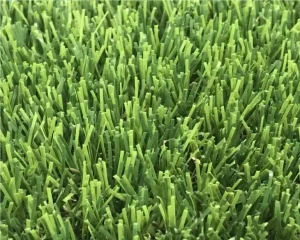
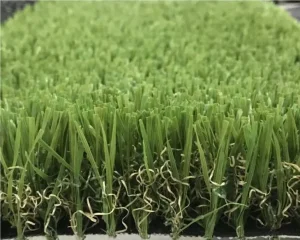
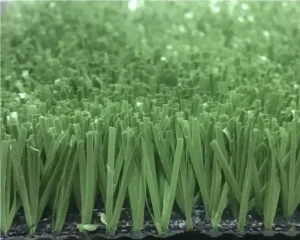
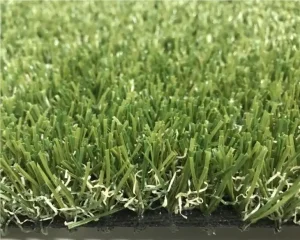
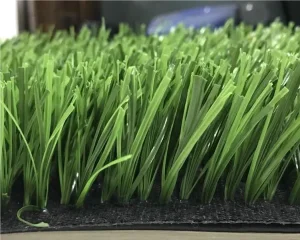
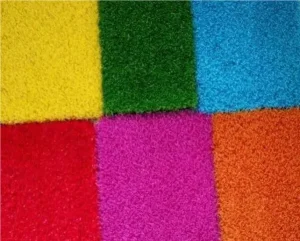
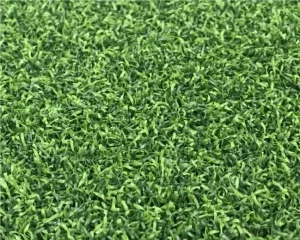
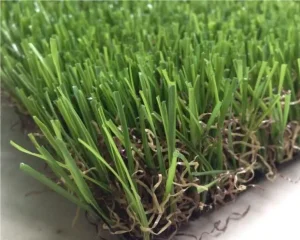
Explore top-tier engineered grass models designed for high-tensile athletics, multi-sport installations, and extreme resilience environments.
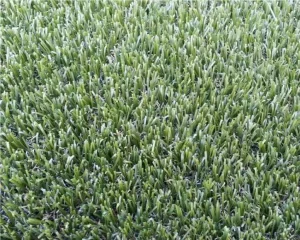
Industry Analysis
Engineering Dynamics in Modern Rugby Turf Systems
Unlike ordinary synthetic turf, rugby surfaces require stringent compliance with World Rugby Regulation 22, managing extreme kinetic shear forces, high Head Injury Criterion (HIC) thresholds, and constant rotational traction.
Critical Fall Height (CFH) ≥ 1.3m
Rugby tackles and scrums unleash immense dynamic loads. Systems must integrate closed-cell cross-linked polyethylene shock pads to achieve safe attenuation, mitigating concussions and joint strain under rigorous continuous testing cycles.
Rotational Resistance & Skin Friction
World Rugby mandates rotational resistance between 25Nm and 45Nm. Fibers engineered with specialized polymer masterbatches reduce skin burn friction during high-velocity sliding tackles while securing cleat penetration stability.
60mm–65mm Long Pile Micro-Geometry
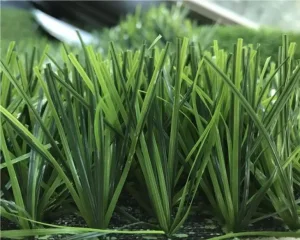
Long-pile tufting incorporating high-micron diamond monofilaments ensures upright blade memory. When backfilled with silica sand and performance elastomeric infill, the turf bed retains dimensional resilience over extensive seasons.
Procurement Specifications
Technical Comparison & Engineering Matrix
Detailed criteria evaluated by municipal contractors, sports federations, and international distributors during OEM supplier audits.
| Core Metric / Characteristic | Standard Soccer Turf | High-Impact Rugby Turf Spec | Engineering Validation Method |
|---|---|---|---|
| Pile Height & Linear Mass | 40mm – 50mm (8,800–11,000 Dtex) | 60mm – 65mm (13,000–16,000 Dtex) | ISO 8543 / Direct Gravimetric Dtex Analysis |
| Head Injury Criterion (HIC) | CFH ≥ 1.0m (EN 15330-1) | CFH ≥ 1.3m to 1.5m (World Rugby Reg 22) | EN 1177 Drop Testing with Triax Accelerometer |
| Fiber Polymer Resilience | Standard C-Shape or Flat Spine PE | Heavy Diamond Monofilament ≥ 360μm | Lisport XL Mechanical Wear (12,000+ Cycles) |
| Tuft Bind (Extraction Force) | ≥ 35 N – 40 N | ≥ 50 N – 60 N (Dual PP + PU Backing) | ISO 4919 Tuft Extraction Resistance |
| Permeability & Drainage | ≥ 500 mm/h | ≥ 2,000 mm/h Multi-Perforated | EN 12616 Water Infiltration Measurement |
50+
Years Polymer Legacy (Since 1977)
1.5m
Certified Critical Fall Height Range
100%
PFAS-Free Tested & Traceable Materials
30+
Global Export Hubs & Regional Reach
Compliance Infrastructure
Global Compliance & Localized Project Execution
Full-spectrum manufacturing capabilities structured to de-risk municipal bidding, tender compliance, and field longevity.
Stringent Chemical & Environmental Audits
Our turf systems strictly comply with REACH, EN 71-3 toxicity controls, and independently verified PFAS-free criteria, eliminating hazardous fluorine components and heavy metals across all layers.
Tailored Roll Configurations
Standard 2m and 4m roll widths with precise seam alignment blueprints. We deliver integrated roll plans customized to pitch geometries, mitigating seam shear vulnerabilities under heavy forward scrums.
Comprehensive OEM Field Support
Direct access to our factory tufting labs, certified yarn certificates (TenCate authorization pedigree), sample kits for engineering approvals, and ISO 9001/14001/45001 production tracking.
Future Vision
Technology Roadmap & Circular Economy Solutions
Addressing upcoming macro shifts in global synthetic sports turf development over the next 5 to 10 years.
100% Circular Mono-Polymer Systems
Eliminating multi-material separation hurdles by creating pure polyolefin backing matrices. This allows complete end-of-life recycling into new industrial polymers without downcycling.
Infrared Reflective Heat-Reduction Yarn
Integrating chemical IR-reflective micro-additives directly into masterbatch extrusion, lowering surface operating temperatures by up to 10°C during intense summer field exposure.
Bio-Based & Mineral Infills
Engineering long-pile grass profiles that perform flawlessly with cork, walnut shell, and coated mineral infills, bypassing upcoming regulatory microplastic infill bans across Europe.
Technical FAQ
Engineering & B2B Sourcing Answers
Direct technical specifications and production answers for sports surface contractors, project designers, and institutional purchasers.
What differentiates rugby synthetic turf from regular soccer grass?
Rugby turf typically demands a longer pile height (60mm to 65mm vs. 40mm to 50mm for soccer) and substantially more robust impact attenuation. World Rugby Regulation 22 dictates that the entire system (turf, infill, and underlayment shock pad) must achieve a Critical Fall Height (CFH) ≥ 1.3 meters to reduce concussion hazards during tackles, combined with tighter limits on skin abrasion and rotational traction.
Why is the shock pad non-negotiable for rugby surface specifications?
While standard leisure grass can be installed directly on compacted aggregate, rugby turf relies on an engineered shock pad (such as cross-linked polyethylene or in-situ E-layer) to guarantee sustained energy restitution and shock absorption over 8–10 years. Infill compaction occurs naturally; the shock pad ensures ongoing compliance with HIC safety guidelines regardless of field moisture or infill settling.
How does yarn geometry affect cleat traction and durability?
Rugby players exert massive linear and rotational torque during scrums. Flat yarns split and mat down quickly under studs. High-micron diamond and spine-reinforced monofilaments (above 360 microns thickness) exhibit higher elastic recovery, maintaining vertical blade alignment. This keeps the performance sand/rubber infill distributed evenly and prevents dangerous shoe locks.
What OEM and custom private-label options do you provide?
We provide full B2B customization including pile heights (6mm to 75mm), yarn polymer formulations (PE, PP, PA), custom tuft densities, gauge settings, primary backing composites, specialized PU or latex secondary coatings, branded roll packaging, and pre-cut colored line markings (white, yellow, blue).
Complete Portfolio
Specialized Synthetic Surfaces & Field Systems
Engineered artificial grass rolls for municipal facilities, athletic academies, play structures, and multi-use complexes.