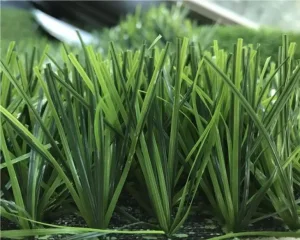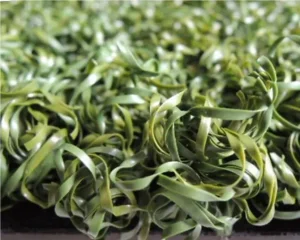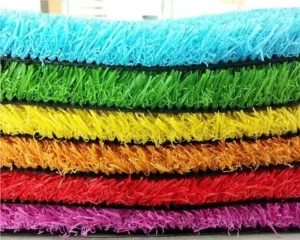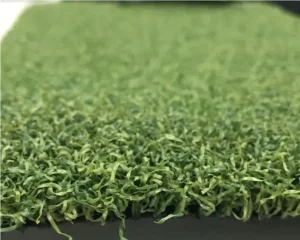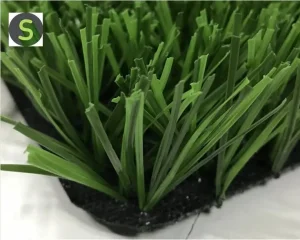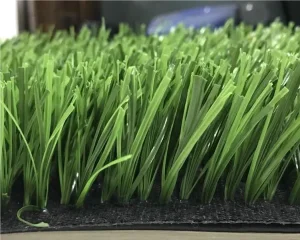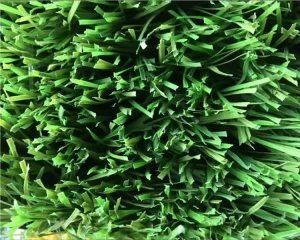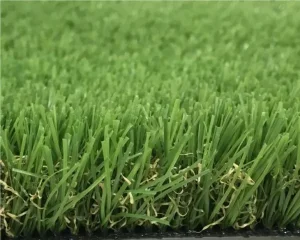
Featured High-Performance OEM Turf Series
Explore our core engineering capabilities spanning extreme-drainage canine systems, precision athletic surfaces, and child-safe recreational artificial turf certified to international industrial standards.
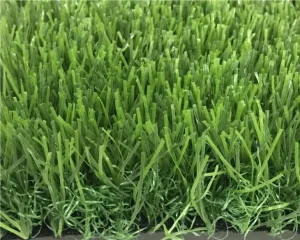
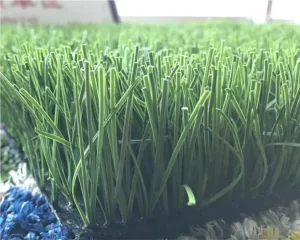
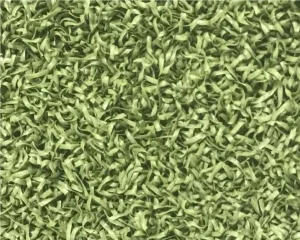
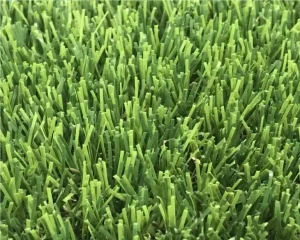
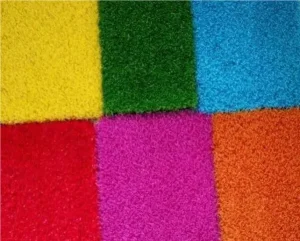
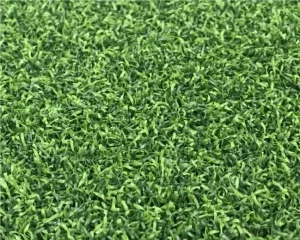
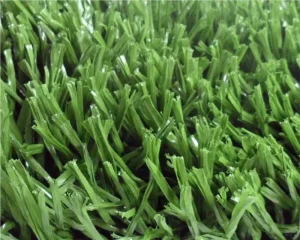
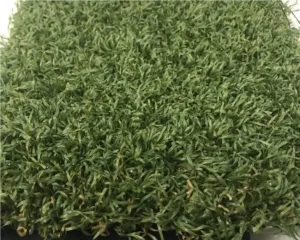
Industry Trends: The Evolution of Canine-Specific Turf
Pet grass has transitioned from standard landscape lawns into a precision-engineered biosurface addressing microbial buildup, high-frequency claw shear, and rapid ammonia neutralization.
Microbial & Odor Abatement
Traditional latex-backed landscape turf traps pet urine inside its cellular structure, creating ammonia crystallization and offensive odors. Modern pet turf integrates non-porous polyurethane and antimicrobial additives directly extruded into the polyethylene polymer chain to prevent bacterial growth and odor anchoring.
Mechanized Claw & Tear Resistance
Large canine breeds generate severe rotational claw torque and habituated digging forces. Modern production leverages diamond and C-shaped resilient monofilaments combined with dense texturized thatch layers that disperse mechanical stress without blade fraying, splitting, or yarn extraction.
Thermal Mitigation Technology
Polymer surfaces absorb solar infrared radiation, posing heat hazards to sensitive dog paw pads during peak summer conditions. State-of-the-art canine turf integrates IR-reflective core masterbatches that reduce surface temperatures by 10°C to 15°C compared to standard synthetic grass.
Global Enterprise Procurement Demands
B2B enterprise buyers, regional distributors, municipal dog park contractors, and veterinary chains require verifiable performance data, reliable supply chains, and regulatory compliance.
Total Compliance & Toxicology
Global distributors demand strict verification under EU REACH (EC 1907/2006), SVHC screening, RoHS, and North American ASTM F963 standards. Complete absence of intentionally added PFAS chemicals, heavy metals, and carcinogenic plasticizers is mandatory for veterinary installations.
OEM Scalability & Private Labeling
Importers require tailored Dtex specifications (from 8,500 to 14,000 Dtex), customizable pile heights (20mm to 35mm), branded backing membranes, precision roll lengths (up to 4m or 5m widths), and custom barcode tagging to lower domestic handling and warehousing costs.
Accelerated Weathering Resilience
Contractors in high-UV markets require UV stabilization warranties tested beyond 5,000 hours of accelerated QUV xenon-arc aging. This guarantees fiber tensile integrity, color consistency, and flexibility without premature embrittlement.
Macro-Industry Solutions: Commercial Canine Facility Engineering
Large canine daycares, airport relief lounges, rescue sanctuaries, and multi-family residential pet relief terraces encounter extreme biological loads that overwhelm residential landscape turf. A comprehensive industrial canine surface requires a coordinated, multi-tier engineering approach:
- Primary Biostatic Filtration Layer: Non-absorbent, high-purity virgin Polyethylene monofilament blades infused with inorganic zinc pyrithione or silver ions neutralize pathogens on direct contact.
- Fully Permeable Secondary Matrix: Moving away from standard SBR latex hole-punched backings toward 100% permeable polyurethane coatings or woven geotextile backings provides drainage rates exceeding 450 mm/hour over the entire surface area.
- Odor-Neutralizing Sub-Base Interlocking Grid: Integrating porous polypropylene drainage tiles beneath the turf layer prevents urine ponding and facilitates effortless automated daily sanitization.
- Infill Selection Protocols: Utilizing non-compacting coated silica sand, antimicrobial volcanic zeolites, or acrylic-coated granules that absorb ammonium ions through cation-exchange processes, ensuring natural odor removal during rainfall or rinse cycles.
Localized Support, Compliance & Engineering Roadmap
Combining rigorous global regulatory compliance with clear technical innovation to help commercial partners maintain competitive advantages in high-demand markets.
Tier-1 Quality Systems
Manufacturing facilities operate under audited ISO 9001, ISO 14001, and ISO 45001 guidelines, standardizing every step from masterbatch resin blending to tuft-lock verification.
Localized Logistics
Full documentation support for global customs clearance, including HS tariff classification, certificates of origin, load optimization, and tailored containerization to avoid creasing.
Circular Monomaterial Turf
Our ongoing technical roadmap focuses on 100% Polyolefin monomaterial assemblies where blades, backing, and adhesives belong to the same polymer family, enabling single-stream post-consumer recycling.
Next-Gen Microencapsulation
Developing long-life microencapsulated enzymatic compounds integrated into the fiber core that release biological cleaning agents upon contact with liquid pet waste, providing automated self-sanitizing surfaces.
Frequently Asked Questions (FAQ) for B2B Importers
Technical guidance and production specifications directly addressed by our chemical and tufting engineers.
Why is polyurethane backing superior to SBR latex for dog turf?
SBR latex contains rubber compounds that can absorb animal urine, retaining moisture and creating persistent ammonia odors. Polyurethane backing is non-porous, chemically inert, and moisture-sealed, allowing complete drainage without odor retention or microbial decay.
How does your factory ensure the turf resists heavy paw digging?
We combine high-gauge polypropylene primary backings with reinforced mesh and optimized coating weights, achieving tuft-bind ratings over 65 N (exceeding ISO 4919 standards) to prevent yarn extraction from continuous digging.
What pile height and density are recommended for canine facilities?
We recommend a pile height between 25mm and 32mm with a high stitch density (16,800 to 21,000 stitches/m²). This profile keeps solid waste on the surface for easy cleanup while maintaining realistic aesthetics and rapid rinsing capabilities.
Can you provide certified PFAS-free and non-toxic documentation?
Yes. All OEM canine turf formulations are independently tested by accredited laboratories (SGS, TÜV) to confirm zero PFAS content, compliant with REACH, EN 71-3, and US EPA guidelines, making our products safe for dogs, children, and staff.
Additional Commercial & Athletic Synthetic Turf Solutions
Review our comprehensive manufacturing portfolio engineered for multi-sport complexes, municipal school stadiums, luxury golf putting greens, and high-traffic ornamental landscaping.