High-Performance Synthetic Turf Configurations (Batch 01)
Factory-direct commercial-grade turf selections engineered with advanced drainage backings, high tuft bind metrics, and abrasion-resistant polymer formulations.
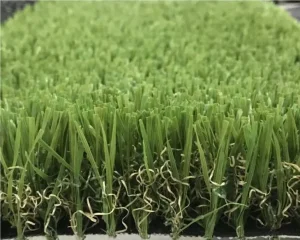
OEM Drainable Synthetic Pet Turf with Realistic Artificial Grass Manufacturers, Product
View Specifications →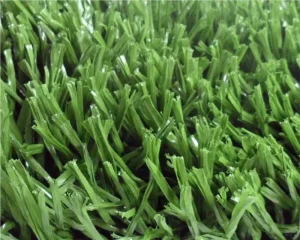
OEM FIFA Standard Synthetic Football Turf for Soccer Pitches Manufacturer, Products
View Specifications →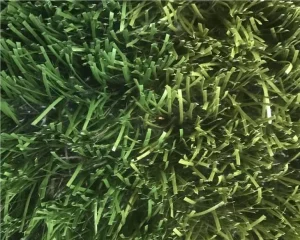
Wholesale High Quality TenCate Rugby Surface Turf Manufacturer, Products
View Specifications →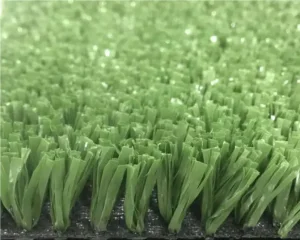
Buy Sand Filled Multi-artificial grass Manufacturer, Supplier
View Specifications →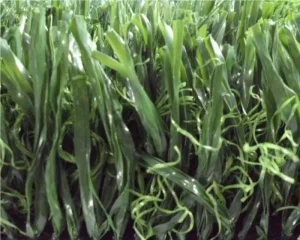
Buy Artificial Baseball Turf manufacturer Product, Factories
View Specifications →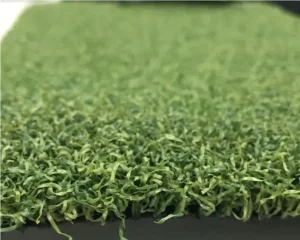
OEM Non-Sand Filled Golf Putting Green Product, Factory
View Specifications →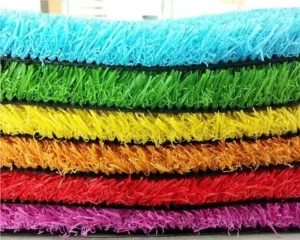
Buy Stylish And Durable Ornamental Grass Products, Product
View Specifications →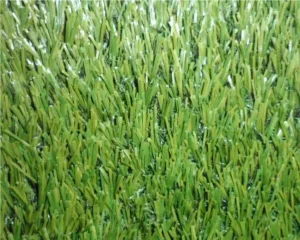
Wholesale Artificial Baseball Turf Factories, Suppliers
View Specifications →Manufacturing Lineage & Polymer Pedigree
Founded with roots in RiThai International's nylon monofilament manufacturing (Taipei, 1977) and Suntex Sports-Turf Corporation's specialized artificial grass production (Kunshan, since March 2002), our facilities operate across five decades of polymer science. Holding authorized distributorship for TenCate Grass yarns, we provide industrial clients with fully traceable, lab-tested, and certified resilient turf systems across worldwide markets.
The Dog Urine Paradigm on Artificial Turf
Dog urine management on artificial surfaces is fundamentally a chemical engineering challenge, not merely a drainage question. Canine urine contains high concentrations of urea, uric acid crystals, urobilin/urochrome, and electrolytes. Traditional landscape grass with SBR latex backings traps urea, fostering bacterial urease enzymes that hydrolyze urea into volatile ammonia gas ($NH_3$). Modern OEM pet turf demands chemically non-reactive backings, antimicrobial yarns, and unobstructed vertical fluid transport.
The Chemistry of Canine Waste Degradation & Ammonia Off-Gassing
A rigorous examination of why standard turf installations fail under pet waste conditions and the engineering architecture required to neutralize biological breakdown.
When high-volume dog urine is introduced to synthetic turf installations—characteristic of commercial dog daycares, boarding kennels, municipal bark parks, and high-density multifamily dog runs—standard landscape-grade artificial turf quickly succumbs to persistent odor, fiber degradation, and hygiene compliance violations. To mitigate these failure modes, OEMs must engineer systems around the biochemical reality of canine metabolic waste.
1. The Decomposition Pathways of Canine Urine
Canine urine has a typical specific gravity ranging from 1.015 to 1.045 with a pH between 6.0 and 7.5. Its primary organic constituents include:
- Urea [$(NH_2)_2CO$]: Comprising 2–5% of the liquid volume, urea is rapidly metabolized by environmental bacteria containing the nickel-dependent metalloenzyme urease (e.g., Proteus mirabilis, Staphylococcus spp.). The catalytic reaction proceeds as follows:
$(NH_2)_2CO + 2H_2O \xrightarrow{\text{urease}} 2NH_3 + CO_2 + H_2O \rightleftharpoons 2NH_4^+ + 2OH^- + CO_2$
This enzymatic hydrolysis causes a sharp local pH spike (often exceeding pH 9.0), releasing pungent, volatile ammonia ($NH_3$) into the ambient air, creating respiratory irritation in pets and human handlers. - Uric Acid Crystals [$C_5H_4N_4O_3$]: Unlike urea, which is water-soluble, uric acid and its urate salts possess extremely low aqueous solubility ($~0.06\text{ g/L}$ at 20°C). When pet urine dries, uric acid forms insoluble, crystalline micro-structures that bind tenaciously into micro-pores of latex backing adhesives and coarse infill aggregates. Moisture from subsequent rainfall or ambient humidity activates latent bacteria, triggering perpetual cycles of malodorous sulfurous and ammoniacal off-gassing.
- Creatinine & Urobilin Compounds: Urobilin is the pigment breakdown product that discolors standard low-grade polymers. Additionally, urine contains lipid markers and pheromonal proteins (major urinary proteins or MUPs) that adhere to hydrophobic plastic surfaces, signaling repeated re-soiling by canines.
2. Failure Points of Standard Landscape Turf in Pet Applications
Commercial failure in canine environments stems primarily from three structural shortcomings:
- SBR Latex Backing Sponging Effect: Standard landscape turf uses Styrene-Butadiene Rubber (SBR) latex to bond tufted yarn loops. SBR latex is inherently hydrophilic and porous on a microscopic scale. It absorbs urine liquids, acting as an organic reservoir where uric salts crystalize permanently. Under mechanical load, aging latex cracks, harboring anaerobic bacterial biofilms that resist surface chemical washdowns.
- Inadequate Hole-Punched Perforations: Typical turf features mechanical hole punches spaced at $10\text{ cm} \times 10\text{ cm}$ intervals, delivering theoretical percolation rates of 200–300 mm/hour. However, pet urine puddles horizontally before reaching an evacuation punch, allowing uric solids to precipitate between yarn filaments and backing fibers.
- Standard Silica Sand Infill Trapping: Traditional quartz silica infill has sharp, angular morphology that compacts over time, choking hydraulic flow. Uric acid coats individual silica grains, transforming the infill bed into an intractable bio-sponge.
| Engineering Parameter | Standard Landscape Grass | Suntex Specialized OEM Pet Turf | Operational Impact on Dog Urine |
|---|---|---|---|
| Primary Polymer | Standard C4 Polyethylene (PE) | TenCate Metallocene PE / PA Nylon Hybrid | Superior tensile recovery against claw abrasion; non-porous finish prevents uric acid adhesion. |
| Backing Technology | Hole-Punched SBR Latex Coating | 100% Polyurethane (PU) or Pure Woven Polyolefin | Zero moisture absorption; prevents urine penetration into backing core; completely impervious to rot. |
| Hydraulic Drainage Rate | 200 – 350 mm / hour | > 1,200 – 2,500 mm / hour (Fully Permeable) | Instant gravity evacuation of liquid waste directly into sub-base before crystallization can initiate. |
| Antimicrobial Integration | None (or surface topical wash) | Extruded Silver-Ion ($Ag^+$) Nano-Masterbatch | Permanent bacteriostatic shield; inhibits urease synthesis, cutting ammonia conversion by >99%. |
| Tuft Bind Strength (ISO 4919) | 25 – 35 N | 50 – 70 N (Engineered Heavy Grip) | Prevents yarn pullout from aggressive paw digging, high-pressure power washing, and industrial scrubbing. |
Global Enterprise Solutions: Tailored OEM Specifications for B2B Verticals
Evaluating the differing mechanical and operational parameters demanded across commercial dog care, multifamily housing, municipal utilities, and transit hubs.
Commercial Kennels & Pet Resorts
Demands: Continuous daily urine saturation from 50–200 animals, multi-cycle sanitization routines using quaternary ammonium or enzymatic cleaners, and intense mechanical pressure washing.
OEM Spec: 25–30 mm pile height, short curled thatch for rapid solid collection, high-density 3/8-inch gauge, and dual-layer polyurethane or full-flow polyolefin backing that withstands direct hot-water flushes without delamination.
Multifamily Rooftops & Urban Balconies
Demands: Zero structural floor penetration, low dead-load weight allowances, strict acoustic decoupling to mitigate pet impact noise, and zero odor tolerance for high-rent residential tenants.
OEM Spec: Ultra-lightweight engineered pet turf coupled with dimensional drainage grid tiles (15–20 mm sub-air gap), low pile height (20–25 mm) for fast drying, non-flammable Class A ASTM E648 certified backing, and zero SBR odor off-gassing.
Municipal Dog Parks & Transit Terminals
Demands: Aggressive heavy traffic wear, year-round freeze-thaw cycles, high UV exposure, and public health regulatory mandates for toxic chemical safety.
OEM Spec: TenCate heavy-denier diamond spine monofilament (12,000–16,000 Dtex), reinforced backing with >65 N tuft bind, PFAS-free formulation, and integration with natural organic zeolite clinoptilolite infills that capture ammonium ions ($NH_4^+$) via cation exchange.
Engineering the Ultimate Pet Turf System: From Polymer Extrusion to Infill Dynamics
A multi-layered system overview detailing how resin selection, fiber geometry, backing chemistry, and sub-surface mechanics eliminate odor retention.
Monofilament Yarn Formulation & Additive Masterbatch
Modern pet turf fibers must resist chemical oxidation from urea compounds and aggressive disinfectants. Through our parent group's heritage in monofilament extrusion (since 1977), our masterbatch integrates high-grade metallocene virgin polyethylene (PE) blended with UV stabilizers (HALS - Hindered Amine Light Stabilizers) and sub-micron silver-ion ($Ag^+$) additives. Rather than applying a topical antimicrobial spray that washes off after several maintenance cycles, the silver ions are homogenized directly within the resin melt. The exposed silver ions continuously disrupt bacterial cellular membranes and respiratory enzymes, achieving a documented >99.9% bacteriostatic reduction rate (tested under ISO 22196).
Fiber Cross-Section Geometries & Waste Fluid Evacuation
Yarn profile design dramatically influences fluid mechanics. Flat tape yarns allow fluid to pool on horizontal surfaces, while deeply corrugated profiles can trap fine fecal residue. For canine applications, our R&D engineers recommend modified C-Shape or Slit-Spine Diamond profiles. The central spine provides elastic memory, ensuring blades bounce back under heavy paw impacts, preventing yarn matting. Upright, resilient blades facilitate downward fluid movement directly into the root zone, preventing moisture from clinging to the exposed canopy where solar radiation accelerates ammonia volatilization.
Total Permeable Polyurethane vs. Standard Latex Backings
The backing layer represents the most critical barrier in pet urine mitigation. Suntex offers two high-tier OEM options:
1. Hydrophobic Polyurethane (PU) Secondary Coating: Unlike porous SBR latex, PU forms an impervious, non-reactive polymeric seal over the tufted root nodes. It does not absorb moisture, exhibits zero hydrolysis under acidic dog urine, and offers 30% higher tuft bind values.
2. 100% Woven Permeable Polyolefin Matrix: For extreme drainage requirements, our fully woven backing eliminates conventional coating adhesives entirely. Water and urine evacuate instantaneously across 100% of the surface area, yielding percolation values exceeding 2,500 mm/hour.
Infill Science: Zeolite Clinoptilolite Ion Exchange
In high-density pet turf installations, standard quartz sand infill is replaced or augmented with naturally occurring Zeolite (Clinoptilolite). Zeolite features a crystalline microporous aluminosilicate structure with high Cation Exchange Capacity (CEC). When dog urine permeates the system, the zeolite framework traps ammonium ions ($NH_4^+$) in its molecular cages, preventing bacteria from converting them into gaseous ammonia ($NH_3$). During rainfall, sodium ions ($Na^+$) or flush treatments naturally exchange with the trapped ammonium, recharging the zeolite beds for continued performance.
Global Regulatory Certifications, Testing Protocols & PFAS Safeguards
Ensuring compliance with international toxicological, environmental, and mechanical performance mandates across European, North American, and Australasian markets.
100% PFAS-Free Certification
Tested under EPA 1633 and EN 17681 standards. Our production lines eliminate per- and polyfluoroalkyl substances in all extrusion lubricants, processing aids, and masterbatches, ensuring full safety for animals and ground runoff.
EN 71-3 Heavy Metal Safety
Rigorous chemical extraction tests verify non-detectable levels of lead, cadmium, mercury, chromium, and phthalates, complying with European Toy Safety standards and US CPSC regulations for pet and child contact.
Reaction to Fire (ASTM E648 / EN 13501)
Certified Class 1 critical radiant flux ratings for indoor commercial boarding facilities, multi-family common areas, and high-rise urban pet areas where local building codes demand stringent flame-spread safety.
UV Accelerated Weathering (QUV 5000h)
Monitored via ASTM G154 cycles to guarantee colorfastness, polymer tensile retention, and structural integrity against prolonged solar UV degradation in harsh Middle Eastern, Australian, and Southern US climates.
The 2025–2030 Pet Turf Technology Roadmap: Sustainability & Intelligent Hygiene
Anticipating next-generation synthetic turf innovations engineered to resolve microplastic pollution, thermal build-up, and chemical reliance in pet hospitality.
100% Circular Mono-Polymer Systems
Traditional turf combines polyethylene yarn, polypropylene backing fabrics, and polyurethane coating, rendering end-of-life recycling economically unviable. Suntex is pioneering single-polymer (100% PE) turf where yarn, primary backing, and hot-melt secondary matrix are molded from the same polyolefin family. At the conclusion of their 10-year service life in pet parks, rolls can be shredded, melted, and pelletized into new industrial products without separation steps.
Solar-Activated Photocatalytic Coatings ($TiO_2$)
Emerging research focuses on incorporating nano titanium dioxide ($TiO_2$) within the outer fiber sheath. Under natural sunlight (UV-A), the photocatalyst generates active hydroxyl ($OH\cdot$) and superoxide radicals that break down organic uric acid molecules and bacteria into trace amounts of water and carbon dioxide, establishing true self-deodorizing surfaces that slash commercial water and chemical sanitizer consumption.
Infrared-Reflective Thermal Comfort Fibers
Canine paws lack sweat glands and are sensitive to synthetic turf surface heat in summer climates. By infusing specialized IR-reflective pigments that scatter the near-infrared spectrum of solar radiation (700–2500 nm), modern OEM pet fibers drop surface temperatures by 10–15°C compared to standard turf, eliminating paw burn risks and reducing heat-driven odor volatility.
Frequently Asked Questions: OEM Dog Urine Turf Procurement
Direct technical answers addressing system design, maintenance protocols, chemical compatibility, and custom OEM manufacturing runs.
Why does dog urine cause severe odor issues on standard artificial grass?
How does Suntex OEM pet turf resolve the urine drainage issue?
What is the optimal pile height and stitch density for canine facilities?
Are your artificial pet turf products certified free of PFAS and toxic chemicals?
Can our facility use commercial enzymatic cleaners and pressure washers?
What OEM / ODM customization options are available for distributors and brand partners?
Comprehensive Sports, Landscape & Pet Synthetic Surfaces (Batch 02)
Explore our extended series of specialized synthetic grass rolls, engineered with high UV resistance, non-toxic masterbatches, and rugged tear strength.
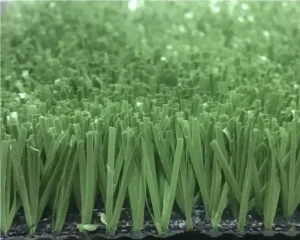
Wholesale Professional Synthetic Turf for Tennis Courts Manufacturer, Suppliers
View Specifications →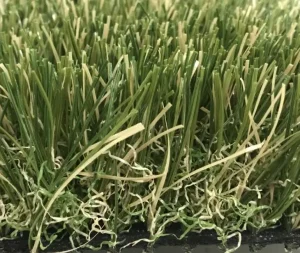
Buy High Density Two-color Landscaping Turf Manufacturer, Factory
View Specifications →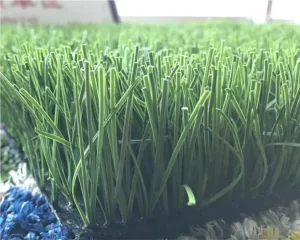
Buy Artificial Soccer Field Turf Factories, Suppliers
View Specifications →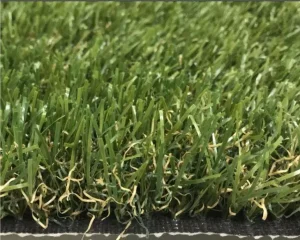
Buy Pet Artificial Grass manufacturer Product, Factories
View Specifications →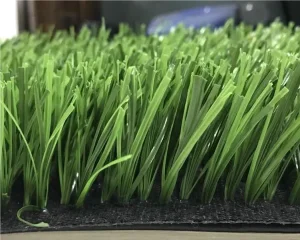
OEM Customized Affordable Artificial Football Turf Manufacturer, Factory
View Specifications →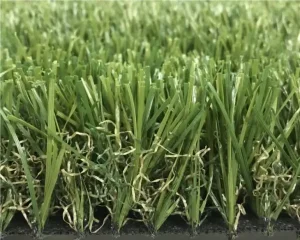
Wholesale Customized Tough And Nonslip Decorative Grass Product, Supplier
View Specifications →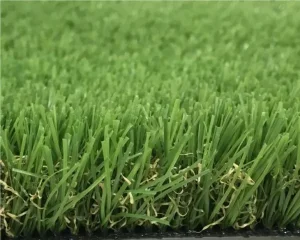
Buy Best Green Lawn Grass Safe And Non-toxic Products, Factories
View Specifications →