High-Performance Canine & Landscaping Grass Matrix
Explore our export-certified synthetic surfaces manufactured with proprietary antimicrobial masterbatches, rapid-drain backings, and high-tensile polyolefin fibers.
-
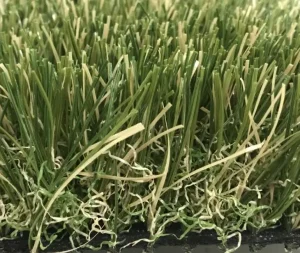
High Density Two-color Landscaping Turf
View Specification -
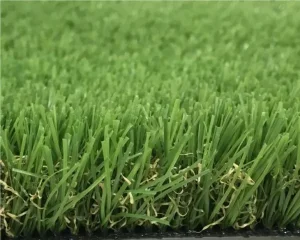
Safe & Non-Toxic Premium Green Lawn Grass
View Specification -
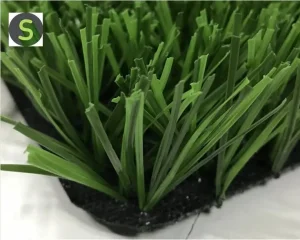
FIFA Approved Sports & Multi-Use Field Turf
View Specification -
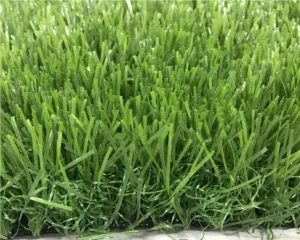
Easy To Clean Rapid-Drying Turf for Dogs
View Specification -
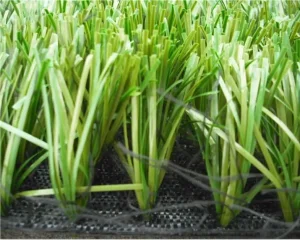
High Wear-Resistant TenCate Monofilament Turf
View Specification -
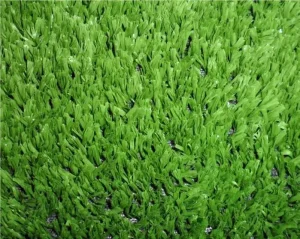
ITF Certified High-Performance Tennis Surface
View Specification -
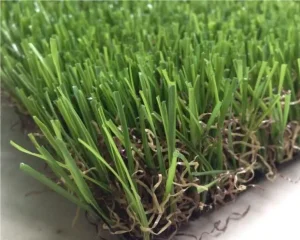
Multipurpose Resilient Golf Rough Grass
View Specification -
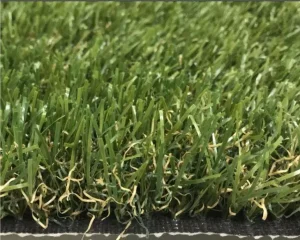
Commercial Pet-Grade Antimicrobial Grass
View Specification
The Global Paradigm Shift in Pet Infrastructure & Turf Sourcing
Urban density, multi-family housing expansion, and the institutionalization of pet boarding have elevated canine-specific artificial grass from a niche residential commodity to a critical engineering asset.
The global market for synthetic turf specifically engineered for pet applications has reached an unprecedented inflection point. Historically, conventional landscaping turf was repurposed for residential yards housing pets. However, high biological load, continuous urea saturation, and persistent mechanical abrasion from digging and paw claws consistently caused early installation failures: foul ammonia odor retention, polymer yellowing, backing delamination, and microbial colonization.
Today, municipal pet zones, boutique canine hotels, commercial animal care centers, and multi-family residential complexes demand specialized synthetic turf infrastructure. Procurement officers and B2B importers are no longer evaluating turf solely on pile density or visual aesthetics; they are auditing vertical hydraulic conductivity, chemical inertness under continuous exposure to acidic ammonium salts (pH 5.5–7.0), and antimicrobial efficacy baked directly into the masterbatch extrusion rather than applied as a transient post-production spray.
Bio-Degradation & Ammonia Resistance
Dog urine contains high concentrations of urea, creatinine, uric acid, and electrolytes. When microbes break down urea into gaseous ammonia, traditional SBR latex backings absorb volatile compounds, causing permanent odors and degradation. Advanced pet turf requires non-porous Polyurethane (PU) backing systems that block moisture absorption completely.
Stringent PFAS-Free Compliance
Global regulatory bodies, including the European Chemicals Agency (ECHA) under REACH Annex XVII and the US EPA, are enforcing stringent thresholds on per- and polyfluoroalkyl substances (PFAS). Contemporary pet turf extrusion must use verified fluoropolymer-free processing aids, ensuring canine paws and digestive tracts remain free from toxic leaching.
Hydraulic Flow Engineering
Conventional turf perforations (hole-punched at 10–15 cm intervals) are insufficient for high-density pet facilities, causing urine pooling. The industry standard has shifted to 100% permeable flow-through woven backings or micro-slotted polyurethane matrixes capable of draining liquid at rates exceeding 800 gallons per square yard per hour.
Chemical Resilience & Urea Neutralization Architecture
How molecular polymer selection, antimicrobial silver-ion infusion, and backing polymer crosslinking prevent synthetic turf breakdown from repetitive canine urination.
Canine urine introduces a severe biochemical challenge to synthetic polymers. A medium-to-large dog produces between 400 to 1,200 mL of urine daily, characterized by high concentrations of nitrogenous compounds, uric acid crystals, and bacteria. The primary operational challenge in commercial facilities is not the liquid volume itself, but the enzymatic reaction catalyzed by urease-positive micrococci living on surface debris. Urease hydrolyzes urea into volatile ammonia (NH3) and carbamate, generating intense alkalinity that degrades secondary latex coatings and creates an unbearable olfactory environment.
Our OEM pet turf systems address this at the molecular and structural levels. By employing virgin C4/C6 metallocene linear low-density polyethylene (LLDPE) combined with high-purity homopolymer polypropylene (PP), our filaments resist acid-base swings between pH 4.0 and pH 11.0. Furthermore, active zinc pyrithione and inorganic silver-ion (Ag+) antimicrobial complexes are compounded directly into the molten polymer before spinneret extrusion, ensuring biostatic protection that cannot be washed away by power washing or enzymatic cleaners.
| Evaluation Parameter | Standard Landscaping Turf | OEM Commercial Pet-Engineered Turf | Performance Gain & Benefit |
|---|---|---|---|
| Primary Backing Matrix | Woven Polypropylene cloth with SBR Styrene-Butadiene Latex | Dual-Layer Polypropylene + Polyurethane (PU) Hot-Melt Coating | Zero Moisture Absorption Prevents urine trapping & fiber rot |
| Hydraulic Drainage Profile | Punched holes @ 10cm grid (~300 mm/hour) | Micro-Perforated & Flow-Through Slotted backing (>2,500 mm/hour) | 8x Faster Runoff Eliminates surface puddling and staining |
| Fiber Antimicrobial Agent | None, or topical chemical wash (depletes in 30 days) | Inorganic Silver-Ion Additive compounded throughout masterbatch | Permanent Efficacy Inhibits bacteria, mold, and odor formation |
| Tuft Bind Lock Strength | 25 – 35 N (susceptible to pet claw tear-out) | 50 – 65 N high-penetration lock | Anti-Dig & Tear Proof Resists destructive digging behaviors |
| Blade Geometry & Recovery | Flat ribbon or light oval (mats under pet paws) | Engineered C-Shape or Wave-Profile with central structural spine | High Dynamic Memory Blades spring back upright instantly |
China Industry 4.0: Scalability, Resilience & Precision Quality
Leveraging deep industrial clusters in Kunshan and Greater Shanghai to deliver cost-effective, custom-engineered synthetic turf with full supply chain traceability.
Vertical Polymer Heritage
Backed by decades of extrusion engineering since 1977, we control every parameter: melt index, draw ratio, masterbatch pigmentation, UV stabilization, and yarn spinning in-house, cutting out middleman margin stacks.
TenCate Yarn Partnership
As an authorized TenCate yarn converter since 2002, we offer elite European fiber options alongside proprietary high-durability polymers, giving global importers tiered product lineups to target every pricing segment.
Automated Tufting & Coating
Equipped with multi-gauge computer-controlled tufting machines (3/8", 5/8", 3/16") and integrated infrared polyurethane curing ovens, ensuring consistent stitch density and maximum tuft lock without surface warping.
Tier-1 Logistics Hub
Strategically situated in Kunshan with immediate access to Shanghai Deep-Water Port, enabling streamlined FCL container dispatch, flexible OEM labeling, palletized packing, and predictable transit scheduling globally.
Commercial Deployment Scenarios for Canine Turf Systems
Engineered to satisfy the operational demands of high-throughput animal care facilities, luxury multi-family amenities, and civic outdoor pet infrastructure.
Commercial Dog Daycares & Boarding
Facilities handling 50 to 150 canines daily require ultra-durable 25–30mm pile turf backed with impermeable polyurethane. Combined with continuous under-turf flushing systems and antimicrobial infill, these surfaces withstand round-the-clock wear, aggressive claw traffic, and daily chemical sanitization protocols without shedding fiber.
Multi-Family Rooftop Pet Relief Stations
High-rise residential developments are incorporating rooftop canine relief runs as premium tenant amenities. Our lightweight, 100% permeable flow-through turf pairs seamlessly with elevated interlocking grid sub-drainage tiles, allowing rapid urine transit into building drains without creating stagnant odors or structural deadweight.
Veterinary Clinics & Quarantine Yards
Clinical animal hospitals demand the highest level of biosecurity. Our non-toxic, heavy-metal-free, and PFAS-free turf surfaces can be disinfected using hospital-grade quaternary ammonium cleaners and bleach dilutions. Non-absorbent fibers ensure urine testing, blood, or fecal remnants are completely rinsed away without residue.
Frequently Asked Technical & Procurement Questions
Authoritative technical guidance compiled by our polymer chemists, OEM production supervisors, and global export managers.
Why is Polyurethane backing superior to SBR Latex for dogs?
Styrene-butadiene rubber (SBR) latex has an inherently porous cellular structure that absorbs animal moisture and holds trapped uric acid. Under microbial breakdown, this produces permanent, noxious ammonia odors. Polyurethane (PU) backing cures into a non-porous, hydrophobic barrier that absorbs zero liquid, resists chemical degradation, and provides significantly higher tuft lock force.
How does the turf prevent urine from killing bacteria in the base?
The turf fibers incorporate silver-ion antimicrobial agents throughout the extruded polymer matrix. This inhibits bacterial replication directly at the contact zone. Furthermore, our rapid-drain flow-through backing channels liquid away within seconds, preventing prolonged pooling and giving natural soil or sub-base drainage systems the aeration needed to manage bio-load.
What pile height and density are recommended for canine turf?
For commercial facilities, we recommend a medium-short pile height between 22 mm and 30 mm with a dense stitch rate (16,800 to 21,000 stitches/m²). Excessively long fibers trap solid waste and complicate cleaning, while short, densely tufted fibers support thorough waste removal, allow rapid hose washing, and stand up to intensive paw traffic.
Can OEM partners customize yarn profiles and roll dimensions?
Yes. As a direct manufacturer, we provide complete OEM customization: fiber cross-section profiles (C-Shape, Wave, Diamond, or Flat), pile heights (6 mm to 75 mm), color formulations (multi-tone field green, olive, lime, plus tan thatch), stitch density, roll widths (from 1 meter up to 4 meters), and private-label printed packaging with your brand identity.
Are these synthetic grass products certified PFAS-Free?
Absolutely. Every roll manufactured in our facilities undergoes rigorous laboratory verification. We supply third-party test reports verifying compliance with REACH Annex XVII, SVHC screenings, RoHS standards, and US state-level PFAS prohibitions. Our extrusion lines use virgin polymer resins free from harmful fluorochemicals or toxic heavy metals.
What infill should be specified for dog-resistant installations?
We advise against raw silica sand alone or crumb rubber, which can retain odors and heat. For pet applications, specify antimicrobial-coated round ceramic sand or non-absorbent volcanic zeolite infill. Zeolite captures ammonium ions through molecular sieve cation exchange, neutralizing ammonia gas before it creates odor.
Commercial, Athletic & Specialized Synthetic Surfaces
Engineered for high mechanical wear, intense UV exposure, and diverse multi-sport and architectural landscaping projects worldwide.
-
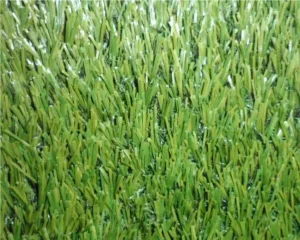
Wholesale High-Durability Artificial Baseball Turf
View Specification -
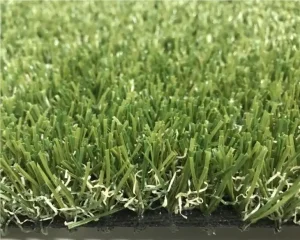
Tough Resilient Golf Fairway Synthetic Grass
View Specification -
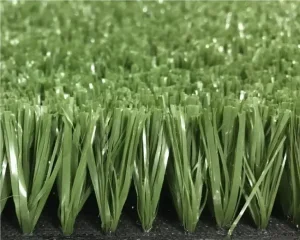
Professional Sand-Filled Putting Green Turf
View Specification -
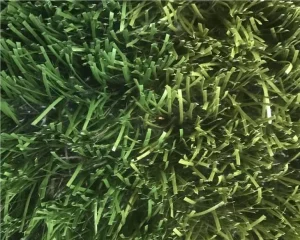
TenCate Heavy Impact Rugby Surface Turf
View Specification -
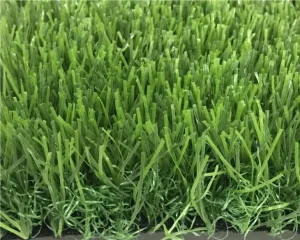
High-Permeability Decorative Yard Lawn Grass
View Specification -
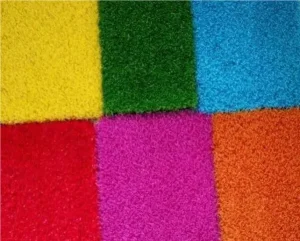
Architectural Colorful Ornamental Grass
View Specification -
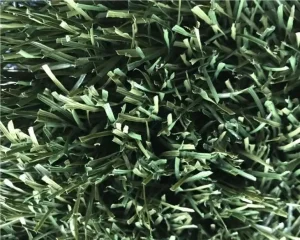
FIFA Quality Certified Football Field Turf
View Specification -
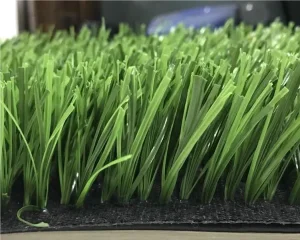
Professional Football Artificial Turf System
View Specification
Request OEM Custom Samples & Technical Data Sheets
Accelerate your private-label product launch or commercial tender. Connect with our Kunshan engineering team for complimentary sample cases, complete chemical resistance data, and volume container pricing.