Featured Sports Turf Systems & Engineered Surfaces
Explore commercial and municipal-grade turf systems manufactured under ISO 9001, ISO 14001, and ISO 45001 standards with TenCate polymer yarn integration.
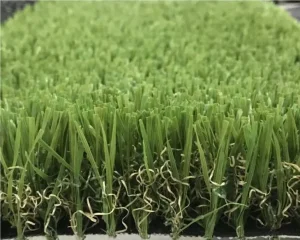
OEM Drainable Synthetic Pet Turf with Realistic Artificial Grass Manufacturers, Product
View Specifications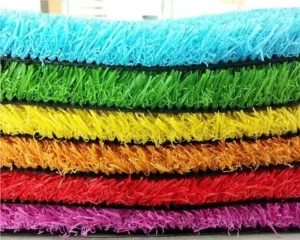
Buy Stylish And Durable Ornamental Grass Products, Product
View Specifications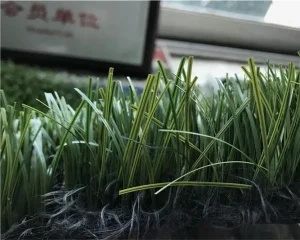
Buy Professional Fake Turf for Football Field Factories, Supplier
View Specifications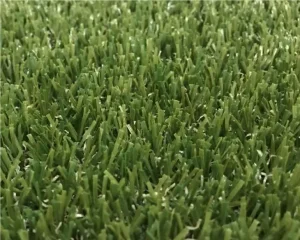
Wholesale Artificial Golf Landscaping Green Grass Manufacturer, Supplier
View Specifications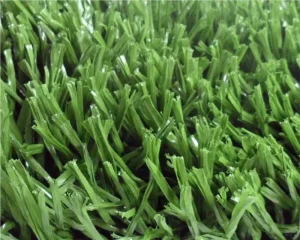
OEM FIFA Standard Synthetic Football Turf for Soccer Pitches Manufacturer, Products
View Specifications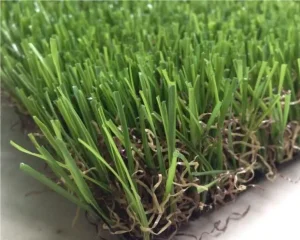
OEM High Quality Multipurpose Golf Rough Grass Factory, Suppliers
View Specifications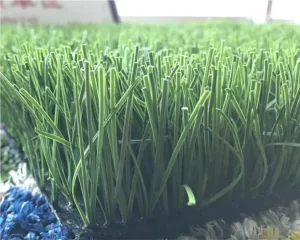
Buy Artificial Soccer Field Turf Factories, Suppliers
View Specifications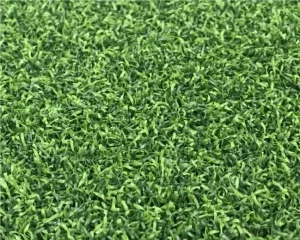
Wholesale Harmless Indoor Putting Green Turf Manufacturers, Manufacturer
View SpecificationsThe Global Commercial Dynamics of Sand-Filled Multi-Sports Grass
An in-depth review of synthetic turf tribology, yarn extrusion polymers, and infill mechanics for multisport installations.
Multidirectional Shear Control
Unlike 3G long-pile rubber-crumb football turf, sand-filled multi-sports turf (typically 15mm to 25mm pile height) relies on rounded, washed, and dried quartz silica sand (0.3–0.8mm particle distribution). The silica ballast stabilizes yarn fibers perpendicularly, generating uniform mechanical grip, preventing joint torque, and sustaining balanced coefficient of restitution (COR) across tennis, field hockey, padel, and futsal within a single shared civil footprint.
PFAS-Free & Heavy-Metal Compliance
Driven by strict European Chemicals Agency (ECHA) microplastic restrictions and REACH Annex XVII regulations, municipal buyers are steering away from loose polymeric microplastic infills. High-density sand-filled multi-sport grass provides a totally mineral-infilled alternative that eliminates microplastic runoff, while meeting rigorous PFAS-free certifications and non-flammability standards (EN 13501-1 Class Cfl-s1).
Fiber Morphology & TenCate Heritage
Synthetic multi-sport systems demand extreme wear resistance against abrasive sand infill friction. Utilizing high-grade linear low-density polyethylene (C6/C8 metallocene LLDPE) and texturized polypropylene (PP) monofilaments—compounded with hindered amine light stabilizers (HALS)—the yarn preserves tensile resilience exceeding 12,000 dtex, maintaining UV stability after 5,000 hours of accelerated weathering (QUV ASTM G154).
Advanced Chinese Factory Production Dynamics & Cost Efficiencies
How state-of-the-art tufting clusters deliver institutional cost leadership without sacrificing international testing verifications.
Integrated Vertical Chain: From Pellet Extrusion to Secondary Coating
China's premier manufacturing ecosystem, spearheaded by modern facilities like Suntex Sports-Turf (backed by RiThai International's extrusion heritage established in 1977), eliminates layered intermediary costs. Raw virgin polymer pellets are masterbatched, extruded into multi-directional diamond, C-shape, or texturized monofilament profiles, tufted on automated 4m and 5m gauge machines, and backed with reinforced double PP woven backing with carboxylated styrene-butadiene rubber (SBR) latex or 100% recyclable polyurethane (PU) formulations. This consolidated supply chain creates a 20% to 35% net landed cost advantage for municipal contractors over Western European converters.
High-Speed Automated Tufting & High-Tolerance Quality Assurance
Operating multi-gauge tufting equipment (3/8", 5/8", 3/16") with laser-guided pile monitoring ensures stitch density deviations remain below ±1.5%. Suntex enforces ISO 9001, ISO 14001, and ISO 45001 processes with in-house tensile pull testers verifying tuft bind lock strengths above 35–45 N (preventing yarn extraction under intense stud sliding). Automated packaging wraps rolls in protective anti-tear geotextile membranes with UV-inhibited wrapping, ensuring zero damage during long-haul intermodal sea freight across the Americas, Europe, Middle East, and Oceania.
Global Commercial Applications: Field-Specific Engineering Specs
Structural recommendations for institutional procurers, school district specifiers, and sports facility builders.
Multi-Use Games Areas
Educational institutions in the UK, Germany, and Australia demand 24mm sand-dressed systems that handle continuous rotation of soccer, netball, and hockey. Dense texturized fibers encapsulate sand 2–3mm beneath yarn tips, providing cushioning without aggressive abrasive skin burning.
Padel & Tennis Courts
Sand-filled 10–15mm fibrillated or texturized PP/PE systems provide consistent slip resistance, predictable angular ball rebound, and low pile directional bias. The sand maintains pile uprightness under continuous lateral sliding stops without premature matting.
Rooftops & Public Arenas
For municipal community hubs with high footfall, sand infill adds 18–25 kg/m² of gravitational ballast, eliminating thermal wrinkling, base rippling, and wind uplift without requiring toxic, permanent solvent bonding to sub-bases.
| Application Matrix | Optimal Pile Height | Recommended Yarn Chemistry | Infill Ratio (Graded Sand) | Primary Physical Metric |
|---|---|---|---|---|
| Padel Tennis Court | 10 mm – 13 mm | Texturized PE / PP Monofilament | 8 – 12 kg/m² (0.2–0.6 mm) | Uniform Ball Spin & Fast Lateral Traction |
| School MUGA Pitch | 18 mm – 24 mm | Curled PE Monofilament + Thatch | 18 – 22 kg/m² (0.3–0.8 mm) | Skin Abrasion Index & Impact Resilience |
| Field Hockey (Sand Dressed) | 12 mm – 16 mm | High-Density Texturized PE | 10 – 14 kg/m² (Kiln-Dried Rounded) | True True-Roll Velocity & Zero Deviation |
| Community Futsal / Multi-Court | 20 mm – 25 mm | Diamond / Spine PE Monofilament | 20 – 25 kg/m² (Ballast Sand) | Tuft Bind Security (>40 N) & Heavy Wear Life |
Global Procurement Demands: Tender Verification Checklist
Crucial due-diligence criteria required by international engineering consultants, importers, and sports federations.
Lisport 50,000 Cycles
Demand documented Lisport mechanical stud wear test reports. High-grade sand-filled grass should exhibit minimal yarn fibrillation, filament split, or mass loss under prolonged simulated stud wear.
UV Accelerated Aging
Verify grey scale rating > 4 according to ISO 20105-A02 after 3,000–5,000 hours UV exposure. Essential for high UV installations in the Middle East, Latin America, and Florida.
Permeability Index
Standard punch-hole backing must guarantee continuous water drainage rates exceeding 60 liters/min/m², preventing court waterlogging and hydroplaning during monsoon storms.
Mono-Polymer Systems
Modern tenders emphasize 100% circularity. Request PU backing or all-PE systems that allow simple single-stream recycling at end-of-life without separation processes.
Frequently Asked Technical & Sourcing Questions
Direct engineering responses to procurement, maintenance, and logistics inquiries from commercial buyers.
Why choose sand-filled turf over rubber-infilled (3G) turf for multi-sport venues?
What specific type of silica sand must be specified for infill?
What pile heights and densities does Suntex manufacture for multi-sports?
How does Suntex guarantee product safety, non-toxicity, and PFAS-free status?
What is the typical manufacturing lead time and minimum order quantity (MOQ)?
Specialized Athletics, Commercial & Institutional Turf Products
Review our specialized baseball, tennis, hockey, and multi-purpose surface portfolios with factory-direct supply arrangements.
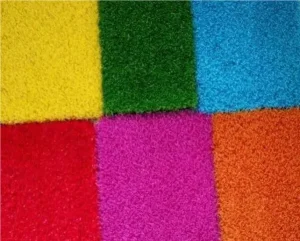
Buy High Quality Colorful Ornamental Grass Products, Suppliers
View Specifications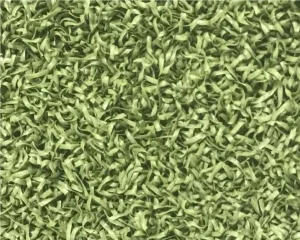
OEM FIH Approved Professional Hockey Turf Manufacturer, Factory
View Specifications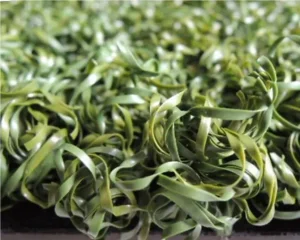
Buy Synthetic Turf for Baseball Surface Products, Suppliers
View Specifications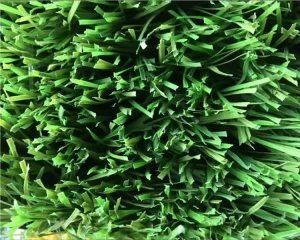
Wholesale High Quality Football Field Grass Manufacturers, Product
View Specifications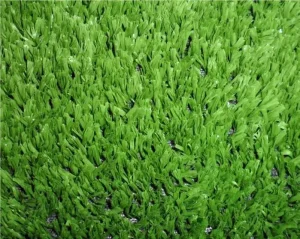
Wholesale ITF Approved Tencate Tennis Turf Factories, Factory
View Specifications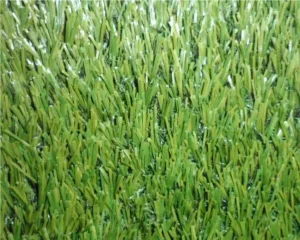
Wholesale Artificial Baseball Turf Factories, Suppliers
View Specifications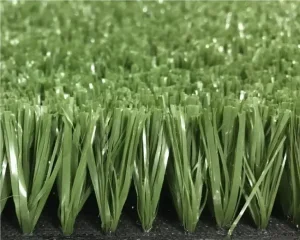
Buy Professional Sand Filled Putting Green Factories, Supplier
View Specifications