High-Performance Synthetic Surface Solutions
Explore engineering-grade artificial green turf built for athletic rigor, high foot-traffic hospitality landscapes, and toxic-free municipal ecosystems.
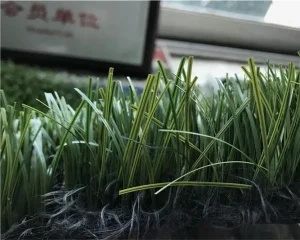
Buy Professional Fake Turf for Football Field Factories, Supplier
View Product Specs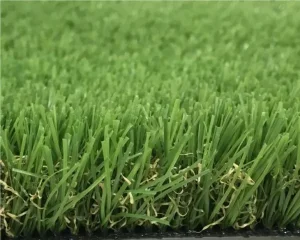
Buy Best Green Lawn Grass Safe And Non-toxic Products, Factories
View Product Specs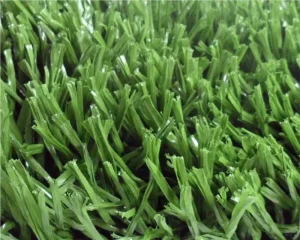
OEM FIFA Standard Synthetic Football Turf for Soccer Pitches Manufacturer, Products
View Product Specs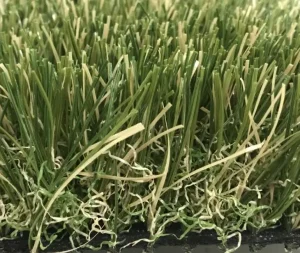
Buy High Density Two-color Landscaping Turf Manufacturer, Factory
View Product Specs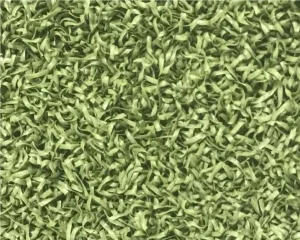
OEM FIH Approved Professional Hockey Turf Manufacturer, Factory
View Product Specs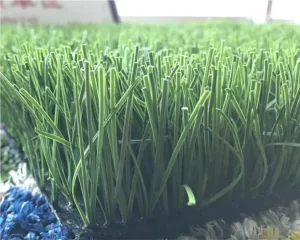
Buy Artificial Soccer Field Turf Factories, Suppliers
View Product Specs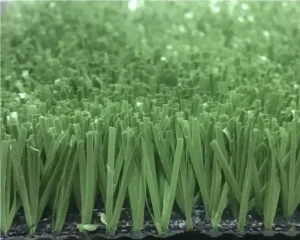
Wholesale Professional Synthetic Turf for Tennis Courts Manufacturer, Suppliers
View Product Specs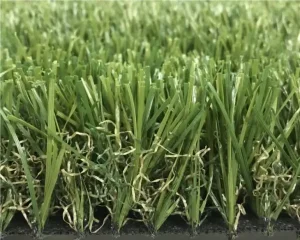
Wholesale Customized Tough And Nonslip Decorative Grass Product, Supplier
View Product SpecsMacro Strategic Sourcing & Total Cost of Ownership (TCO)
In modern architecture, sports engineering, and commercial asset management, transitioning from natural turf to synthetic polymer grass is an engineering capital investment governed by durability kinetics, maintenance abatement, and lifecycle asset valuation.
CapEx vs. OpEx Amortization
Procuring commercial-grade synthetic grass offsets intensive municipal water costs, aerator machinery, pesticide regimes, and seasonal turf overseeding. Industrial deployments amortize initial CapEx within 22–34 months, yielding net positive operational savings across a 10–12 year lifespan.
Resin Purity & Masterbatch Physics
Global institutional buyers must vet resin integrity. Premium plastic grass utilizes 100% virgin C6/C8 metallocene polyethylene (mPE) and co-extruded polypropylene matrices blended with Hindered Amine Light Stabilizers (HALS). This prevents photo-oxidation and chalking under severe UV irradiance.
Tuft Bind & Tensile Resilience
Substandard turf suffers fiber pullout under athletic shear stresses. Enterprise specifications require a minimum tuft bind strength of ≥45–60 N (ISO 4919 / ASTM D1335) achieved through specialized polyurethane (PU) or carboxylated styrene-butadiene rubber (CSBR) secondary latex coat bonding.
Engineering Specifications & Material Science Metrics
A data-driven engineering framework for evaluating blade cross-sections, Dtex linear density, tensile modulus, and hydraulic percolation.
| Turf Classification | Polymer Composition | Blade Cross-Section | Dtex / Stitch Density | Primary / Secondary Backing | Typical Applications |
|---|---|---|---|---|---|
| Professional Sports Turf | 100% Virgin PE Monofilament + TenCate Yarn | Diamond Core / W-Spine Double Rib | 11,000 – 16,000 Dtex / 8,800–10,500/m² | UV-Woven PP + Fleece + Cross-Linked PU | FIFA Quality Pro Soccer, FIH Hockey, Rugby Arenas |
| High-Traffic Commercial Landscape | C6 PE Straight Monofilament + Texturized PP Thatch | C-Shape Curved Springback or S-Wave | 8,500 – 12,500 Dtex / 18,900–25,200/m² | Dual-Layer PP Grid + Modified SBR Latex | Civic Parks, Corporate HQs, Airport Perimeters |
| Precision Putting Green | 100% Ultra-High Tenacity Curled Polyamide (Nylon) / PP | Dense Textured Fibrillated Flat Blade | 5,500 – 8,000 Dtex / 42,000–65,000/m² | Stabilized Mesh Matrix + High-Tack PU Coat | Championship Golf Greens, Driving Bays, Indoor Simulators |
| Eco-Safe Municipal & Playground | Food-Contact Grade PE + Antibacterial Nano-Additive | Micro-Stem Soft Touch Ribbed Profile | 7,500 – 10,000 Dtex / 16,800–21,000/m² | Non-Woven Composite + Thermo-Perforated Latex | Early Childhood Centers, Public Playgrounds, Pet Resorts |
| Multisport / Tennis Court System | Abrasion-Modified PP / Metallocene PE Hybrid | Fibrillated High-Split Structural Tape | 6,600 – 9,000 Dtex / 28,000–38,000/m² | Triple PP Woven Backing + Heavy-Dowel CSBR | Tennis Clubs, School Multi-Use Games Areas (MUGA) |
Global Enterprise Application Blueprints
How international infrastructure conglomerates, institutional architects, and sports facility operators implement high-density synthetic grass systems.
Civil Infrastructure & Aviation Grounds
International airports utilize engineered synthetic turf along runway safety areas (RESAs) and taxiway strips. By preventing soil erosion, dust ingestion into jet turbines, and water puddling that attracts bird hazards, synthetic turf substantially enhances aeronautical safety while cutting airfield maintenance overhead.
Urban Green Building & LEED Certification
In high-density metropolises, green roofs and terrace gardens integrate high-permeability artificial grass to satisfy stormwater retention quotas and urban heat mitigation. Incorporating inert, lead-free synthetic surfaces directly contributes to LEED credits in Sustainable Sites (SS) and Water Efficiency (WE).
High-Performance Competitive Athletics
Under FIFA Quality Pro and FIH Category 1 protocols, synthetic pitches ensure consistent ball roll speed, shock absorption (G-max < 110), head injury criterion (HIC ≥ 1.3m), and rotational resistance (35–45 Nm). This engineering guarantees consistent athlete joint safety independent of climatic freeze-thaw cycles.
Compliance Guardrails: PFAS-Free, Microplastics & Circularity
As international environmental legislation tightens across North America, the European Union, and Asia-Pacific, plastic green grass manufacturing must comply with strict chemical directives and circularity goals.
PFAS Elimination (Per- and Polyfluoroalkyl Substances)
Historically, fluorinated processing aids (PPAs) were used during masterbatch extrusion. Our certified supply chain implements hydrocarbon-based processing aids, verifying total fluorine levels below 50 ppm (DIN CEN/TS 17656), ensuring full compliance with European REACH restrictions and US EPA PFAS bans.
EU Microplastics Restriction Compliance
Under EU Regulation 2023/2055, polymer infill dispersal is subject to phased bans. Advanced technological pathways shift toward infill-free 4th-generation dense turf systems or certified biodegradable organic infills (cork, olive pit, walnut shell, and coated cellulose), mitigating microplastic runoff into waterways.
Mono-Material Closed-Loop Circularity
Traditional turf paired PE grass yarn with latex backing, requiring chemical delamination at end-of-life. Our forward-looking production incorporates 100% Polyolefin mono-material design (PE yarn + PE primary backing + PE hot-melt adhesion), allowing mechanical shredding and single-stream pelletization for zero-landfill recycling.
Engineered Sports & Architectural Product Catalogs
Review additional customized turf product lines engineered for tournament-tier athletics, commercial recreation centers, and decorative corporate spaces.
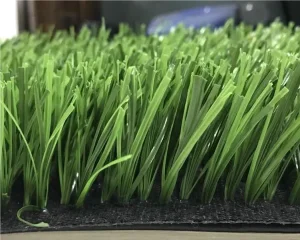
OEM Customized Affordable Artificial Football Turf Manufacturer, Factory
View Product Specs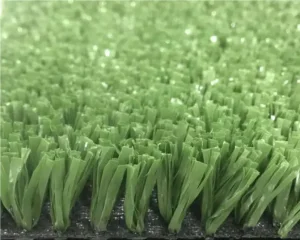
Buy Sand Filled Multi-artificial grass Manufacturer, Supplier
View Product Specs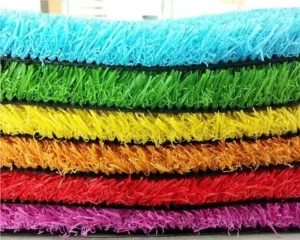
Buy Stylish And Durable Ornamental Grass Products, Product
View Product Specs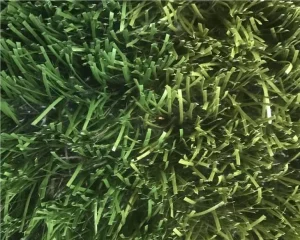
Wholesale High Quality TenCate Rugby Surface Turf Manufacturer, Products
View Product Specs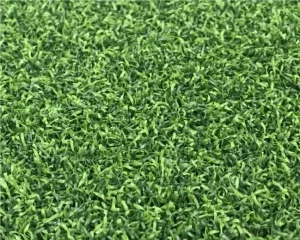
Wholesale Harmless Indoor Putting Green Turf Manufacturers, Manufacturer
View Product Specs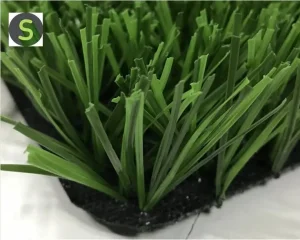
Wholesale FIFA Approved Artificial Turf for Soccer Field Manufacturers, Product
View Product Specs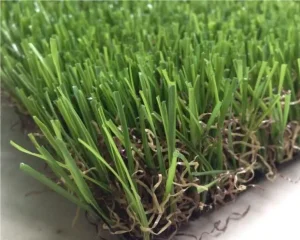
OEM High Quality Multipurpose Golf Rough Grass Factory, Suppliers
View Product Specs
OEM Decorative Yard Grass With Good Water Permeability Factories, Supplier
View Product SpecsEnterprise Buyer Technical Inquiries
Authoritative answers covering polymer thermodynamics, drainage engineering, infill sizing, and international warranty validations.
How does yarn cross-section geometry affect durability and heat dissipation?
Flat monofilaments tend to matte quickly under foot traffic and reflect sunlight like mirrors, escalating surface temperature. Advanced profiles like W-shape, C-shape, and Diamond cores utilize integrated structural spines to maintain vertical memory. Micro-grooved ridges diffuse incident light, lowering glare and reducing surface temperatures by 4°C to 8°C compared to flat tape yarns.
What drainage percolation rate is required for storm surge mitigation?
Commercial turf installations should adhere to Darcy's Law for saturated porous flow, achieving a minimum hydraulic conductivity ≥ 2,500 mm to 3,600 mm/hour. Our perforated backing systems employ automated computer-controlled punching with 4mm–5mm drainage orifices spaced on a 100mm × 100mm grid, preventing surface water ponding even during intense downpours.
What differentiates SBR Latex backing from Polyurethane (PU) backing?
Carboxylated SBR latex is cost-effective and provides solid tuft locking under moderate environmental conditions. Polyurethane (PU) backing offers superior mechanical performance: it resists hydrolysis, remains flexible down to -40°C, eliminates edge unraveling during cutting, and does not degrade when exposed to pet urine, making it the preferred choice for premium institutional projects.
How do you guarantee colorfastness and UV stability across high-UV regions?
All polymer yarns are formulated with medical-grade Chimassorb and Tinuvin oligomeric HALS compounds alongside heavy-metal-free inorganic color pigments. Products undergo accelerated weathering tests under UVA-340 and UVB-313 fluorescence (ASTM G154 / ISO 4892-3) up to 5,000–8,000 hours, ensuring a Grey Scale rating ≥ 4 (minimal fading across 8 to 10 years in desert climates).
What are the minimum order quantities (MOQ) and private-label customization options?
Standard inventory colors and profiles have an MOQ of 500 m². Custom engineering orders (tailored Dtex, custom pile heights from 6mm to 75mm, dual-tone yarn blending, flame-retardant EN 13501-1 Class Bfl-s1 treatments, and branded roll backings) require an MOQ of 2,000–3,000 m² with complete pre-shipment lab testing dossiers.
How do you verify compliance with heavy metals, VOCs, and child safety?
Every production batch is tested against EN 71-3 (Safety of Toys – Migration of certain elements), ASTM F963, and EPA Method 3052/6010D. Our plastic grass rolls are certified non-detectable for lead, cadmium, mercury, organotin, and hexavalent chromium, ensuring clean and safe indoor and outdoor school environments.