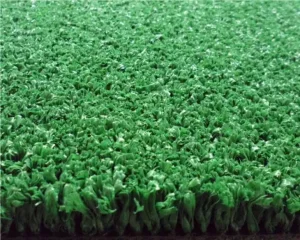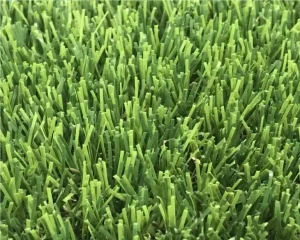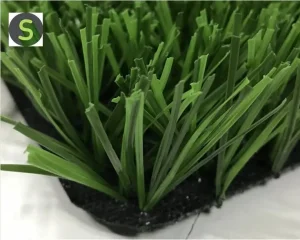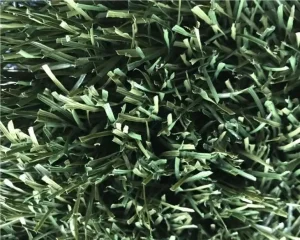
High-Performance Canine & Multi-Use Synthetic Turf
Engineered to withstand claw abrasion, frequent sanitary rinsing, and persistent UV exposure. Each roll integrates strict polymer controls meeting worldwide animal safety benchmarks.
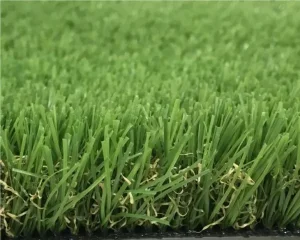
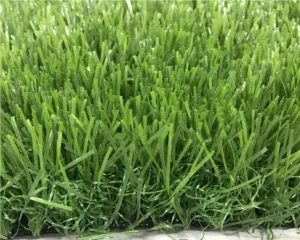
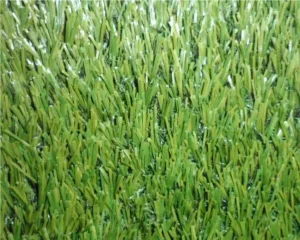
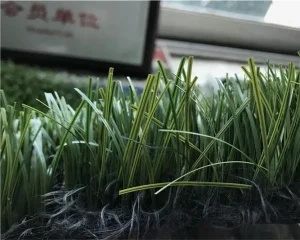
Commercial Status & Global Industry Dynamics
The pet safe artificial grass segment has evolved from an adjacent niche of landscape turf into a highly specialized global manufacturing domain driven by strict sanitation standards, urban pet density, and rigorous chemical scrutiny.
Stringent Chemical Containment
Pet physiology involves direct dermal contact, frequent licking, and high metabolic vulnerability. Traditional turf formulated with fluorinated processing aids (PFAS) or industrial plasticizers has triggered bans across North America and Europe. Current manufacturing mandates virgin polyethylene (PE) and polypropylene (PP) with third-party verified non-toxic certification.
Hydraulic Drainage Architecture
Unlike standard rain-draining ornamental grass, pet installations must process concentrated ammonia solutions without trapping urine salts within backing layers. Modern supply routes utilize 100% permeable polyurethane (PU) or woven flow-through backings, achieving drainage velocity that outpaces standard hole-punched latex backings by over 400%.
Mechanical Fiber Resilience
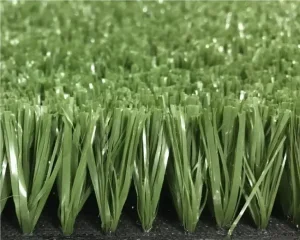
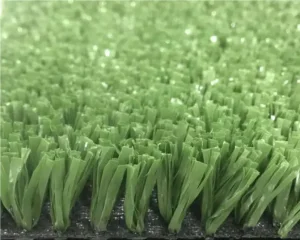
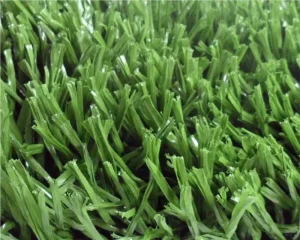
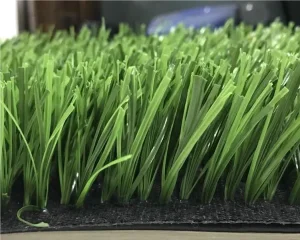
Canine repetitive digging instincts and claws exert severe shear stress on turf fibers. Industrial pet grass shifts away from basic flat slit-film yarn toward engineered micro-ribbed, C-shape, or diamond geometries supported by TenCate yarn technology, maintaining structural integrity across thousands of cycles of high-intensity clawing and running.
Specification Matrix: Pet Turf vs. Traditional Turf
A technical side-by-side assessment illustrating polymer behaviors, drainage capacity, and antimicrobial capabilities required for commercial pet environments.
| Performance Metrics | Standard Landscape Grass | Engineered Pet Safe Turf (Suntex Spec) | Industrial Validation Standard |
|---|---|---|---|
| Drainage Permeability | Punch-hole latex: 400–600 mm/h | Woven / Flow-through PU: >8,500 mm/h | ASTM F1551 Water Flow Testing |
| PFAS / Toxic Content | Varied, potential trace PFAS in extrusion aids | 0% PFAS, RoHS/REACH Compliant, Zero Heavy Metals | EPA 537M / EN 71-3 Safety Standards |
| Yarn Polymer & Shape | Flat or broad slit-film PE | High-Dtex C-Spine or Diamond Polyethylene + Texturized Thatch | ISO 4920 / Lisport Wear Durability |
| Tuft Bind Lock Force | 30–35 N (Newtons) | ≥ 50–65 N (High resistance to dog digging/pulling) | ISO 4919 Tuft Withdrawal Force |
| Bacterial Odor Control | Passive (Requires external chemical cleaners) | Silver-ion / Antimicrobial additive compounded in masterbatch | AATCC 100 Antimicrobial Assessment |
Macro-Sector Turnkey Deployment Scenarios
Scalable engineering specifications designed to address the specific regulatory, functional, and foot-traffic demands of commercial and public municipal environments.
Commercial Kennels & Boarding
High animal density requires automated or rapid-flush sanitary routines. Our 25–30 mm pile system with non-absorbent poly-backing allows daily enzymic washing and chemical disinfection without yarn bleaching or fiber delamination.
Veterinary Clinics & Animal Hospitals
Rehabilitation yards and post-op relief zones demand sterile, hypoallergenic, and non-abrasive turf surfaces. By compounding antimicrobial additives directly into the polymer yarn, our surfaces continuously inhibit microbial reproduction.
Municipal Dog Parks & Urban Play Areas
Extreme traffic and variable weather conditions cause natural lawns to quickly deteriorate into mud or dust hazards. High-density tuft-locked sports hybrid constructions offer long operational lifespans and cut municipal irrigation budgets.
Technological Roadmap & Future Horizons
The next decade of synthetic turf manufacturing prioritizes closed-loop material cycles, thermal reduction technology, and bio-based resin chemistry.
Infrared Heat Reflective Yarn
Traditional synthetic fibers can heat up significantly under intense summer solar radiation. Next-generation pet turf leverages IR-reflective pigments that reflect near-infrared radiation away from the field, reducing turf surface temperatures by 10°C to 15°C to protect animal paw pads from thermal injury.
Single-Polymer Circular Recycling
Historically, separating PE yarn from latex backings made complete recycling difficult. Our development roadmap introduces Mono-Polymer (100% Polyolefin) Systems, where face fibers, tufting substrate, and backing coating share an identical polymer base, allowing 100% melt-reprocessing at the end of life.
Bio-Based & Non-Infill Stability
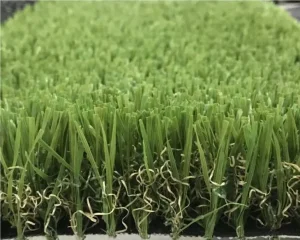
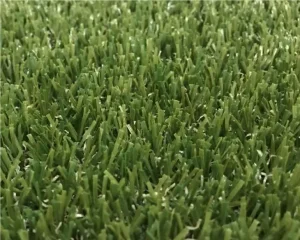
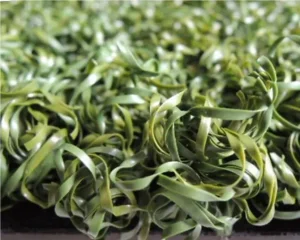
To eliminate rubber crumb or silica infill migration (which curious pets may ingest), our tufting lines incorporate high-density curly textured thatch layers. Coupled with plant-derived bio-polyethylene resins, this structural design eliminates loose crumb hazards.
Frequently Asked Questions by B2B Importers & Specifiers
Detailed engineering and supply chain clarification addressing material safety, maintenance cycles, and commercial warranties.
What chemically distinguishes genuine "Pet Safe" artificial turf from regular landscape grass?
Pet safe artificial grass excludes heavy metals (lead, cadmium, mercury), phthalate plasticizers, and per- and polyfluoroalkyl substances (PFAS). The backing is specifically modified to prevent urine absorption and rot, while yarn resilience is engineered higher to withstand digging and clawing forces.
How does the system prevent dog urine odor build-up in high-density facilities?
Odor prevention relies on two engineering components: an ultra-high permeable backing (woven or polyurethane flow-through yielding >8500 mm/h drainage) and an optional antimicrobial zinc/silver-ion additive extruded directly within the yarn resin to halt odor-producing bacterial growth.
Can aggressive diggers or large canine breeds tear the fibers out of the backing?
Suntex utilizes a reinforced multi-layer primary backing fused with a high-density secondary coating, achieving a tuft withdrawal lock force exceeding 50 to 65 Newtons. This is roughly double that of standard decorative grass, preventing dogs from pulling yarn strands loose.
What infill medium is recommended for commercial pet installations?
Standard crumb rubber infill is not recommended for pet environments due to heat absorption and ingestion risks. We recommend anti-microbial coated quartz silica, natural zeolite infills (which neutralize ammonium ions in urine), or infill-free high-density textured turf structures.
How do you clean and maintain pet safe synthetic turf over years of operation?
Maintenance involves standard solid waste pickup followed by periodic rinsing with water. For commercial boarding facilities, weekly enzymatic sanitizers or diluted neutral cleaners can be hosed over the surface; the non-absorbent backing drains the liquid completely without retaining residue.
What are the minimum order quantities (MOQ) and lead times for custom OEM specifications?
Standard catalog configurations have low minimum requirements for regional distributors. Custom OEM orders (tailored pile heights from 6 mm to 75 mm, custom stitch rates, private-label backing print, or specialized fiber shapes) typically begin at 800–1,000 square meters with a 15–20 day production lead time.
High-Spec Sports, Playground & Pet Synthetic Surfaces
Browse our verified product catalog. Built on five decades of parent company RiThai nylon extrusion heritage and manufactured under ISO 9001, 14001, and 45001 disciplines.