Primary Engineered Turf Systems
Explore our specialized artificial grass series engineered with high-durability polymers, high liquid evacuation metrics, and multi-sport resilience from verified production lines.
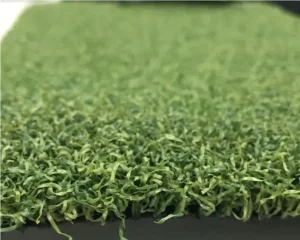
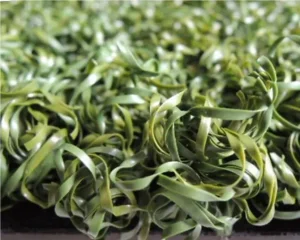
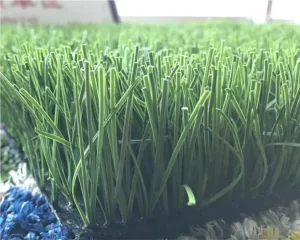
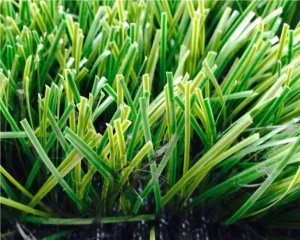
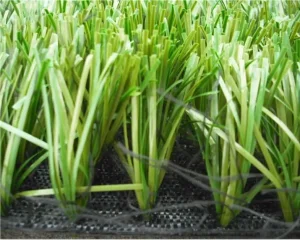
The Mechanics of High-Density Pet Turf
Evaluating polymer degradation pathways, fluid shear rates, and structural tuft anchoring under constant biological contamination.
In standard residential landscape architecture, artificial turf selection predominantly favors aesthetic tactile softness, chromatic foliage replication, and moderate foot-traffic recovery. However, when specifying turf assemblies for veterinary practices, commercial boarding kennels, agility arenas, and municipal dog runs, these design conventions fail catastrophically. The confluence of nitrogenous animal waste (urea, ammonia, uric acid), mechanical shear stress from canine claws, aggressive pawing behaviors, and relentless industrial sanitation routines induces rapid fiber fibrillation, odor entrainment, and premature delamination in substandard synthetic grass.
Industrial-grade pet friendly turf requires a deliberate departure from conventional yard turf specifications. The core engineering mandate rests on three critical vectors: chemical non-reactivity, microbiological bacteriostasis, and hydraulic volumetric evacuation. Polyethylene (PE) formulations must incorporate tailored thermal and UV stabilization packages (hindered amine light stabilizers, HALS) to prevent molecular embrittlement caused by uric acid exposure under intense solar irradiance. Simultaneously, yarn cross-sections such as W-shape, C-shape, or reinforced diamond monofilaments are prioritized over flat ribbons, conferring mechanical elastic memory that resists flattening caused by persistent pacing paths.
Why Global Importers Source Pet Turf from Leading Chinese Hubs
Vertical integration, raw polymer extrusion mastery, and multi-tiered quality control deliver uncompromised margin performance for B2B buyers.
Complete Vertical Integration
Unlike Western converters who procure yarns and backings from disjointed subcontractors, top-tier Chinese manufacturers execute every process in-house. From virgin polymer masterbatch compounding, monofilament and texturized thatch extrusion, to multi-gauge tufting and automated polyurethane backing coating, complete vertical ownership guarantees micro-level consistency across high-volume container shipments.
Legacy Polymer Heritage
Rooted in polymer heritage stemming back to 1977 via RiThai International and industrial turf operations operational since 2002, Suntex leverages over four decades of monofilament extrusion engineering. Authorized partnerships with global polymer titans like TenCate ensure molecular resilience, authentic abrasion indexing, and traceable pedigree compliant with stringent international safety benchmarks.
Agile OEM Tooling & Capacity
Equipped with variable gauge tufting machinery (3/8", 5/8", 3/16"), Chinese manufacturing facilities accommodate bespoke pile height tailoring (from 18 mm up to 40 mm for pet profiles), customized drainage perforation geometries, antimicrobial masterbatch blending, and specialized primary/secondary backings tailored to unique regional climatic demands.
Industrial Pet Turf System vs. Standard Landscape Grass
A granular technical comparison detailing mechanical thresholds, drainage fluid dynamics, and biological sanitation resistance.
| Performance Parameter | Standard Landscape Grass | Engineered Pet-Friendly Turf | Operational Consequence |
|---|---|---|---|
| Primary Drainage System | Punch-hole perforations (~10-15 cm spacing) | 100% Fully Permeable Non-Woven or Multi-Hole Matrix | Prevents Urine Puddling & Crystal Buildup |
| Backing Substrate | Styrene-Butadiene Rubber (SBR Latex) | Solvent-Free Polyurethane (PU) or Pure PP Hot-Melt | Zero Moisture Absorption & Anti-Odor Degradation |
| Yarn Morphology & Dtex | Standard Flat Ribbon, 6,000 - 8,500 Dtex | Ribbed C/W/Diamond Shape, 10,000 - 16,000 Dtex | Resists Matting Under Repeated Heavy Paw Traffic |
| Tuft Pull-Out Force (ASTM D1335) | 25 N - 35 N | ≥ 45 N - 60 N Mechanical Anchor | Prevents Extraction from Agonistic Claw Digging |
| Antimicrobial Incorporation | None or external topical spray (washes off) | Masterbatch Silver-Ion / Zinc Embedded in Extrusion | Continuous Lifetime Pathogen Suppression |
| Toxicity & Environmental Safety | Variable, potential trace heavy metals | 100% PFAS-Free, Lead-Free (EN 71-3, RoHS, REACH) | Eliminates Chemical Hazard from Ingestion & Grooming |
Commercial & Municipal Application Frameworks
Configuring sub-base layers, perimeter anchor grids, and turf assemblies across specialized commercial typologies.
Commercial Kennels & Boarding Daycares
Operating under continuous canine rotations (often 40 to 100+ animals daily), commercial kennels demand maximum liquid flow and aggressive sanitization compatibility. Short pile heights (20 mm to 25 mm) paired with high-density tufting permit effortless solids pickup and rapid enzymatic wash-downs between play sessions without fiber entrapment.
Veterinary Hospitals & Surgical Clinics
Clinical canine areas require strict biosecurity environments. Our medical-grade pet turf assemblies integrate seamlessly with antimicrobial zeolite infills and concrete floor sub-bases utilizing under-turf drainage cells, enabling indoor/outdoor patient relief zones that resist hospital-grade quaternary disinfectants.
Municipal Public Dog Parks
Public installations encounter high-abrasion shear from sprinting dogs, human footfall, and unpredictable weather extremes. Heavy face-weight turf systems (60 oz - 80 oz/sq.yd) with corrugated monofilament fibers and perimeter concrete anchor curbs eliminate edge-lifting, claw-induced tearing, and muddy quagmires permanently.
Airport Pet Relief Areas (SARs)
Post-security airport service animal relief areas exist within enclosed building footprints with zero sunlight. Requiring integrated automated flush systems, these installations deploy low-profile antimicrobial turf mounted on interlocking sub-surface drainage trays with direct plumbing connections to municipal sewer drains.
Global Enterprise Sourcing Criteria & Engineering Controls
Strategic guide for wholesale buyers, landscape architects, and municipal tendering authorities evaluating Asian manufacturing partners.
When drafting an international tender or securing a multi-container supply agreement for pet turf, procurement directors must formulate rigorous Technical Data Sheets (TDS) that protect against downstream failure. Relying merely on "pile height" and "face weight" is the most common failure mode in synthetic grass sourcing. To guarantee multi-year performance, tenders must specify the following architectural dimensions:
Polymer Formulation & Virgin Resin
Mandate 100% C4 or C6 linear low-density polyethylene (LLDPE) prime resin. Re-extruded or post-industrial scrap resin exhibits irregular molecular branching, leading to premature shear cracking when exposed to thermal cycling and ammonia deposits. Always require differential scanning calorimetry (DSC) reports confirming resin purity.
Tuft Bind Anchor Testing (ASTM D1335)
Canines inflict localized, vertical tension loads with front paws. For standard landscape grass, 25 Newtons of lock strength is typical. For pet infrastructure, specify minimum pull-out resistance of ≥ 45 N (preferably ≥ 50 N), verified through secondary mechanical coating application and cross-woven polypropylene base fabrics.
Comprehensive Environmental Testing
Dogs ingest loose fibers through natural grooming. Strict compliance documentation is non-negotiable: demand third-party testing for total fluorine (PFAS-Free screening), EN 71-3 (migration of 19 toxic heavy elements), and REACH SVHC candidate lists to ensure zero liability across retail or government installations.
Frequently Asked Questions for B2B Importers & Contractors
Authoritative insights straight from our chemical engineers and export specialists to simplify container-volume turf purchasing.
Why is Polyurethane (PU) backing superior to SBR latex for pet-specific applications?
What is the optimal pile height and density for commercial dog daycares?
How do Chinese turf factories manage PFAS-free compliance for Western market import?
What is the recommended sub-base specification for high-flow pet turf?
How does antimicrobial additive technology function within synthetic turf fibers?
What OEM customization parameters can Suntex accommodate for private-label distributors?
Specialty Landscape, Sports & Pet Synthetic Surfaces
Engineered for commercial contractors, golf installations, municipal sports arenas, and heavy-duty pet boarding operations.