
Engineered Turf & Putting Green Systems (Selection 01–08)
Ultra-dense, non-directional texturized and monofilament surface designs customized for professional practice complexes, multi-sport arenas, and commercial hospitality hubs.
-
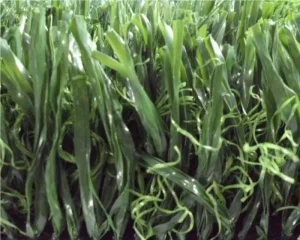
Buy Artificial Baseball Turf manufacturer Product, Factories
-
-
-
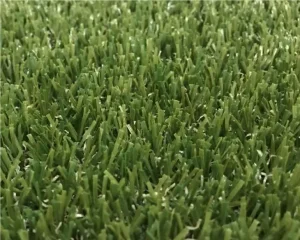
Wholesale Artificial Golf Landscaping Green Grass Manufacturer, Supplier
-
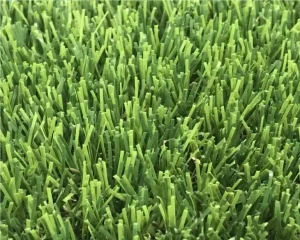
Buy Best Non-toxic Kids Playground Grass Manufacturer, Factory
-
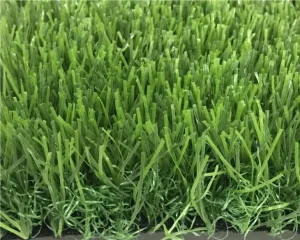
OEM Decorative Yard Grass With Good Water Permeability Factories, Supplier
-
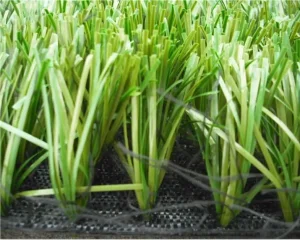
-
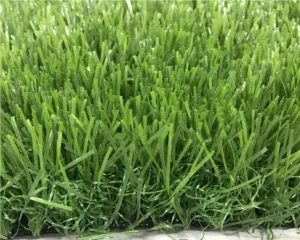
Buy Easy To Clean And Dry Up Fake Grass for Dogs Product, Suppliers
Global Dynamics of Outdoor Artificial Putting Green Systems
How the shift from conventional nylon carpets to multi-layer texturized polyolefin systems revolutionized commercial golf surface design.
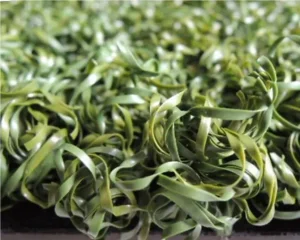
The outdoor artificial putting green industry has evolved from a niche residential luxury into an essential component of modern recreational engineering and golf infrastructure. Historically, early-generation synthetic greens utilized standard untextured nylon filaments that suffered from critical vulnerabilities when deployed outdoors: hygroscopic expansion under rain, high frictional heat degradation, rapid UV oxidation, and grain bias that caused inconsistent ball deflection. In contrast, modern high-end synthetic greens leverage custom micro-crimped Polypropylene (PP) and cross-linked Polyethylene (PE) texturized monofilament yarn. This advancement enables high-density tufting (often exceeding 60,000 to 80,000 stitches per square meter) that completely eliminates grain directionality, delivering authentic ball roll speeds calibrated between 9.5 and 12.5 on the USGA Stimpmeter.
At the center of global adoption lies the growing demand for climate-resilient leisure infrastructure. Water scarcity across regions like the American Southwest, Southern Europe, the Middle East, and Australia has imposed severe municipal constraints on maintaining natural bentgrass or bermudagrass greens. Commercial developers, boutique resort operators, and golf academies have recognized that an engineered outdoor artificial putting green manufactured with stabilized polymers can slash water consumption to zero, eliminate chemical runoffs, and maintain tournament-grade firmness and roll speed across all four seasons.
Stimpmeter Precision
Controlled ball speed variability through high-stitch texturized fibers that emulate top-tier bentgrass greens without grain deviation or directional skipping.
UV & Thermal Resistance
Engineered with proprietary Hindered Amine Light Stabilizers (HALS) ensuring resistance against tensile brittleness under harsh outdoor solar radiation.
Micro-Infill Adaptability
Calibrated quartz sand retention systems allowing technicians to micro-tune green softness, ball-check receptivity, and speed from 9 to 13 Stimpmeter units.
China's Advanced Manufacturing: Supply Chain Resilience & Quality Control
Behind Suntex Sports-Turf's 22-year manufacturing heritage: Automated extrusion, multi-gauge tufting robotics, and strict raw material traceability.
The manufacturing paradigm for high-performance outdoor synthetic turf has undergone an extensive digital and operational shift. Today’s premier artificial grass manufacturing facilities in China have integrated vertical production cycles that bridge basic polymer masterbatch compounding directly with downstream finishing lines. Leveraging parent company RiThai International’s legacy in polymer monofilament extrusion spanning since 1977, Suntex operates an end-to-end controlled supply chain that prevents the raw-material inconsistencies frequently encountered when buying from trading consolidators.
Operating in an Industry 4.0 framework, automated tufting machinery with multi-gauge servo-actuators ensures stitch uniformity within micro-tolerances. Automated vision-inspection systems scan running webs for skipped stitches, broken yarns, or backing distortions in real time. Secondary backing processes have also advanced: shifting from rudimentary SBR latex coating to environmentally non-toxic Polyurethane (PU) and fully recyclable hot-melt polyolefin backings. This ensures water drainage permeability surpassing 1,800 mm/hour while achieving lock-tight tuft bind strengths exceeding 45 Newtons, fully complying with both ISO 9001 and ISO 14001 operational protocols.
Vertical Yarn Extrusion
Full control over masterbatch recipes, C8/metallocene polyethylenes, and UV packages prevents batch-to-batch color drift.
PFAS-Free Certification
Zero per- and polyfluoroalkyl substances used during extrusion and processing, delivering compliant turf for strict EU & US regulations.
High-Density Tufting
3/16" and 1/8" precision gauges creating uniform texturized surfaces that resist flattening and rutting under regular foot traffic.
Traceable Backing Quality
Reinforced double-PP primary cloth paired with dimensional net layers and modified PU coating for zero curling in extreme heat.
Global B2B Sourcing: Commercial Scenarios & Technical Specs
How landscape architects, golf course general contractors, and brand distributors select specifications tailored to distinct end-use cases.
| Installation Environment | Recommended Yarn Structure | Pile Height & Density | Infill Specification | Critical Engineering Metric |
|---|---|---|---|---|
| Championship Practice Greens | PP Texturized Curly Monofilament | 12 mm – 15 mm | 63,000–78,000 s/m² | Round ceramic/silica sand (0.3–0.8 mm) | Zero directional grain bias, consistent 11.5 Stimpmeter |
| Commercial Resort & Hotel Rooftops | Hybrid PE + PP Textured Monofilament | 13 mm – 18 mm | 52,000–65,000 s/m² | Low infill or non-infill cushioned pad | Class Bfl-s1 fire retardancy & rapid horizontal drainage |
| Backyard Luxury & Golf Training Centers | Heavy-Duty Dual-Tone PE Textured | 15 mm – 20 mm | 50,000–60,000 s/m² | Angular/sub-angular washed silica (2–3 kg/m²) | True-bounce shot acceptance from 50+ yards out |
| Cruise Ships & Public Entertainment Parks | Cross-linked PA (Nylon) or High-Dtex PP | 10 mm – 14 mm | 70,000–84,000 s/m² | Non-infill design for clean maintenance | Extreme wear abrasion resistance and saltwater resilience |
Custom OEM/ODM Branding
Private label roll printing, customized roll widths (2m to 4m), custom gauge setups, and tailored packaging for international hardware distributors.
Container Optimization
Engineered core winding and tension-controlled vacuum rolling reducing ocean shipping cube by up to 25%, drastically minimizing CIF/DDP costs.
Contractor Installation Support
Comprehensive CAD layout planning, seam-tape specifications, seam adhesive recommendations, and cup installation guides supplied with every bulk order.
Specialized Sports & Landscaping Turf (Selection 09–16)
Explore our heavy-duty synthetic turf systems manufactured with genuine polymer filaments, designed for athletic fields, pet arenas, and decorative architectural landscaping.
-
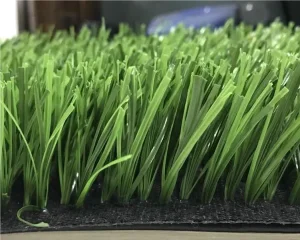
OEM Customized Affordable Artificial Football Turf Manufacturer, Factory
-
-
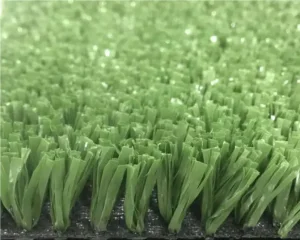
Buy Sand Filled Multi-artificial grass Manufacturer, Supplier
-
-
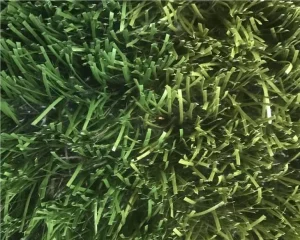
Wholesale High Quality TenCate Rugby Surface Turf Manufacturer, Products
-
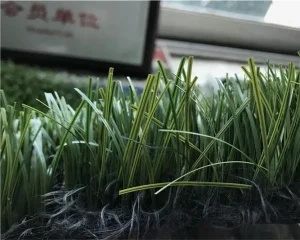
Buy Professional Fake Turf for Football Field Factories, Supplier
-
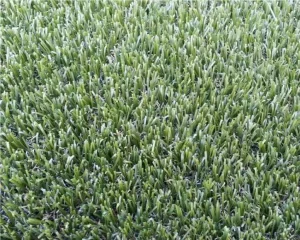
OEM High-Density UV-Resistant Artificial Grass Turf for Garden & Lawn Manufacturers, Product
-
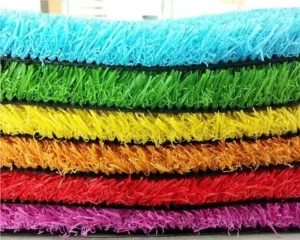
Frequently Asked Questions: Technical & Commercial Insights
Direct technical answers addressing polymer selection, testing compliance, installation mechanics, and custom production timelines.