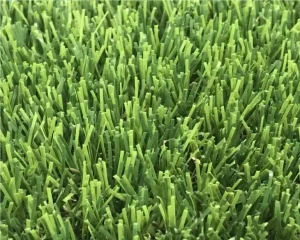
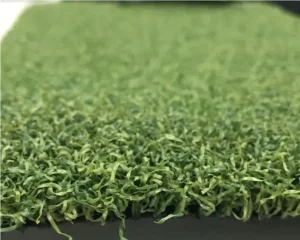
Direct-From-Factory Solutions
High-Performance Synthetic Grass Lineup
Explore precision-tufted surfaces developed for athletic durability, all-weather ball roll, and low abrasive index.
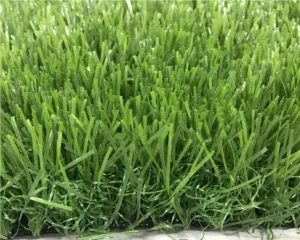
Buy Easy To Clean And Dry Up Fake Grass for Dogs Product, Suppliers
View Technical Specs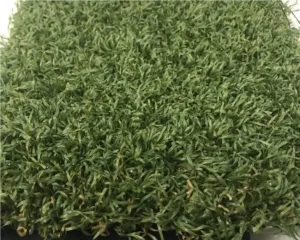
OEM Non-Infill Multi-Sport Artificial Turf Manufacturers, Products
View Technical Specs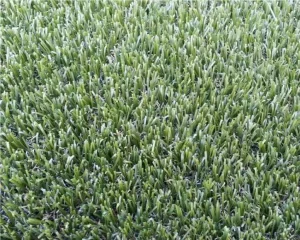
OEM High-Density UV-Resistant Artificial Grass Turf for Garden & Lawn Manufacturers, Product
View Technical Specs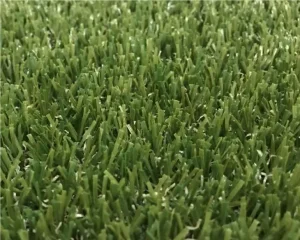
Wholesale Artificial Golf Landscaping Green Grass Manufacturer, Supplier
View Technical Specs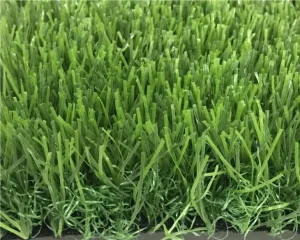
OEM Decorative Yard Grass With Good Water Permeability Factories, Supplier
View Technical Specs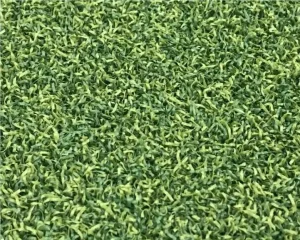
Buy Wholesale Nonslip Putting Green Turf Factories, Factory
View Technical Specs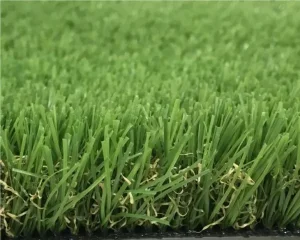
Buy Best Green Lawn Grass Safe And Non-toxic Products, Factories
View Technical Specs50+ Yrs
Polymer Yarn Heritage (RiThai 1977)
6–75 mm
Precision Tufted Pile Height Range
< 100 G
ASTM F355 Shock Absorption Index
100%
PFAS-Free Tested & Heavy-Metal Zero
Strategic B2B Sourcing
Global Enterprise Procurement Dynamics for Baseball Field Grass
Analyzing critical parameters required by municipal park directors, NCAA Division I athletic complexes, and professional franchise operators.
Procuring baseball field turf is an intricate capital expenditure differing drastically from conventional soccer pitch or landscape turf acquisitions. In baseball, field consistency determines competitive integrity and athlete safety. A ground ball traveling at exit velocities exceeding 100 mph (160 km/h) cannot encounter unpredictable true-bounce variations, irregular seam deflections, or uneven fiber grain direction. Enterprise procurement officers require verified data on true ball roll coefficient, rotational resistance (traction), cleat release safety thresholds, and structural yarn stability over multi-season cycles.
Infield Clay-to-Grass Transition Dynamics
Modern baseball architecture demands specialized dual-fiber hybrid installations where turf fibers emulate the sliding behavior and cleat penetration of natural red clay without generating infill spray or turf ruts during high-torque base slides.
- Texturized nylon (PA) or slit-film PE fibers prevent aggregate migration.
- Reinforced dual-tuft gauge prevents fiber laid-down under repeated base running.
- Balanced torque resistance protects player ACL and ankle ligaments.
Capital Efficiency & 365-Day Utilization
Municipalities and collegiate programs are transitioning from high-maintenance Kentucky Bluegrass and Bermuda sod to engineered synthetic systems to eliminate rain-out cancellations, reduce water utility expenditures, and support continuous multi-sport scheduling.
- Reduces annual field labor and chemical treatments by up to 78%.
- Enables back-to-back doubleheaders regardless of preceding rainfall.
- Increases facility revenue by up to 250% through club tournament hosting.
PFAS Bans & Environmental Due Diligence
Global regulatory frameworks (EU REACH restriction Annex XVII and US State-level PFAS bans) demand zero forever-chemicals in extrusion lubricants. Institutional bids mandate verifiable EN 71-3, DIN 18035-7, and OEKO-TEX compliance reports directly from primary manufacturers.
- Rigorous zero-heavy metal certification (lead, cadmium, mercury).
- Fluorine-free polymerization verified through third-party lab spectrometry.
- Total supply chain traceability backed by ISO 9001 and ISO 14001 audits.
Field Engineering Architecture
Macro-Industrial Baseball Field Solutions & System Integration
A multi-layered engineered sports surface combining sub-base hydrology, elastic shock pads, and zone-specific fiber geometries.
| Field Zone | Recommended Fiber & Pile Height | Dtex & Cross Section | Infill Specification | Critical Engineering Metric |
|---|---|---|---|---|
| Infield Grass | 35 mm – 45 mm PE Monofilament + Texturized Thatch | 11,000 – 13,000 Dtex / C-Shape Spine | Cryogenic Coated Sand + Organic Core | Low sliding friction; identical true bounce in all 360° paths. |
| Base Paths & Home Plate Circle | 30 mm – 35 mm Slit-Film Polyethylene or Nylon | 12,000 Dtex Slit-Film / High Micron | High-density round silica sand (80%) + Elastomeric TPE | Extreme cleat wear resistance; prevents infill displacement. |
| Outfield Turf | 45 mm – 55 mm PE Monofilament Diamond Fiber | 13,000 – 16,000 Dtex / Diamond Core | Silica Sand base + SBR/TPE resilient top dressing | High foot-speed traction, energy restitution, rapid drainage. |
| Warning Track | 30 mm – 40 mm High-Contrast Crimson/Terra Cotta | 10,000 – 12,000 Dtex / Textured Monofilament | Angular sand compaction mix | Audible acoustic crunch & physical tactile shift for player safety. |
| Bullpen & Batting Cages | 12 mm – 18 mm Texturized Curly PP or Dense Nylon | 8,000 – 10,000 Dtex Dense Curled Matrix | Non-infill or minimal stabilization sand | Withstands intense repetitive plant-and-pivot pitching stresses. |
Hydraulic Sub-Base Drainage Systems
Suntex engineered baseball turf incorporates custom punch-hole or porous micro-drain backings capable of evacuating storm runoff at rates exceeding 600 mm/hour (24 inches/hr). Installed over an engineered dynamic aggregate sub-base or flat-pipe collector matrix, the field eliminates puddle formation, allowing immediate resumption of play minutes after tropical downpours.
Engineered Shock Pad Integration (ASTM F355)
To mitigate traumatic brain injuries (TBI) and chronic joint stress among outfielders diving for fly balls, our systems recommend calibrated Expanded Polypropylene (EPP) or cross-linked Polyethylene (XPE) shock pads. These decouple infill compaction from field hardness, maintaining an ASTM F355 G-Max rating between 85 and 105 G across a 10-year service life.
Polymer Metallurgy & Vertical Heritage
Five Decades of Monofilament Extrusion Precision
Why parent company RiThai International's extrusion lineage makes Suntex baseball grass the choice for Tier-1 athletic complexes.
TenCate Yarn Partnership
As an authorized distributor of TenCate turf yarn since 2002, Suntex blends world-leading polymer technology with our own Taiwanese extrusion expertise. We supply advanced C-Shape, Diamond, and Spine profiles engineered against thermal deformation, fiber fibrillation, and accelerated UV photo-oxidation.
RiThai Group Polymer Lineage (1977)
Founded in Taipei in 1977, our parent group RiThai International pioneered high-tensile nylon monofilament synthesis. This vertical chemical lineage across PE, PP, PA, and PET allows Suntex to engineer proprietary masterbatches with optimal flexibility, mechanical memory, and thermal resistance in hot climates.
Tuft Bind & Polyurethane Backing
Baseball spikes impart severe shear forces when base runners dig in. Our state-of-the-art tufting lines apply secondary multi-layer cross-stitched polypropylene backings coupled with high-adhesion SBR latex or premium moisture-resistant Polyurethane (PU), achieving tuft bind strengths exceeding 50 Newtons.
Innovation Trajectory
Technical Roadmap & Next-Generation Baseball Turf Systems
Anticipating the technological shift in sustainable biopolymers, infrared heat reduction, and circular field recycling.
Cooling Polymer Additives (NIR Shield)
Traditional black rubber infill and green synthetic grass absorb significant near-infrared (NIR) solar energy, causing field surface temperatures to climb to 160°F (71°C) on midsummer afternoons. Suntex is deploying NIR-reflecting masterbatches and organic hollow fibers that diminish surface heat by 15°C to 20°C (27°F to 36°F), extending safe player participation during extreme heat waves.
100% Recyclable Mono-Component Fields
Historically, separating Polyethylene face fibers from Polypropylene primary backings and Polyurethane coatings at end-of-life was cost-prohibitive, forcing decommissioned fields into municipal landfills. Our R&D engineering roadmap prioritizes mono-material (100% Polyethylene) turf systems where yarn, backing, and coating are melted collectively into post-industrial resin pellets for reuse in sports equipment.
Non-Infill Multi-Sport Baseball Formats
Addressing mounting European and North American microplastic infill bans, Suntex has accelerated production of non-infill baseball and multi-sport grass. By engineering ultra-high-density texturized crimp fibers (over 30,000 stitches/m²), the grass structure self-supports without requiring crumb rubber or silica granules, eliminating particle migration into local watersheds.
Economic & Market Intelligence
Commercial Status: Total Cost of Ownership (TCO) Analysis
A quantifiable financial comparison between natural stadium sod and engineered synthetic baseball grass installations.
| Evaluation Parameter | Natural Grass Baseball Field | Suntex Synthetic Baseball System | Industrial Financial Impact |
|---|---|---|---|
| Initial Capital Outlay | $350,000 – $650,000 (Sod, irrigation, sub-drain) | $750,000 – $1,200,000 (Base, pad, turf, infill) | Synthetic requires higher upfront CAPEX. |
| Annual Operating Expense (OPEX) | $70,000 – $120,000 (Mowing, fertilizers, water, clay) | $12,000 – $22,000 (Grooming, decompaction, top-up) | 80% reduction in annual maintenance costs. |
| Annual Usable Playing Hours | 350 – 500 hours (Subject to weather resting) | 1,800 – 2,500 hours (Unrestricted multi-season play) | 400%+ increase in field capacity & rental revenue. |
| Water Consumption / Year | 3,500,000 – 6,000,000 gallons | Zero irrigation required (Except optional cooling rinse) | Saves millions of gallons in drought-restricted regions. |
| 10-Year Cumulative Cost | $1,250,000 – $1,850,000 | $870,000 – $1,420,000 | Net savings of $380,000+ over a 10-year lifespan. |
In water-scarce regions such as the American Southwest, Southern Europe, Northern Australia, and the Middle East, municipal sports councils face strict restrictions on irrigation water allocations. Synthetic baseball field surfaces provide a hedge against drought shutdowns while converting underutilized single-sport natural dirt ballparks into vibrant community sports hubs that accommodate baseball, softball, soccer, and youth sports on a single turf platform.
Compliance, Safety & Certification
Standardization, Certification & Localization Safeguards
Ensuring frictionless procurement, municipal bidding qualification, and long-term legal safety across international jurisdictions.
ASTM F1936 & Head Injury Protection
Our baseball systems are thoroughly tested under ASTM F355-A and ASTM F1936 procedures to verify that field shock attenuation remains below the 200 G-Max upper limit, consistently tracking between 90–110 G-Max to reduce concussion risk during hard collisions.
EN 15330-1 & FIFA Laboratory Audits
All production lots pass standardized European synthetic turf testing covering rotational resistance (40–65 Nm), vertical ball bounce (0.60m–1.00m), water permeability, and abrasive wear testing via the Lisport mechanical stud roll apparatus up to 100,000 cycles.
Worldwide Shipping & Container Stacking
Exporting to more than 30 nations across Europe, North America, Oceania, and Latin America. Rolls are custom-cut to project layout drawings to minimize on-site seam splicing and packed with moisture-resistant protective geotextile sleeves to prevent core compression during sea transit.
Knowledge Base
Frequently Asked Questions: Industrial Baseball Turf Procurement
Technical answers prepared by Suntex senior polymer engineers and sports field construction specialists.
How does baseball field turf differ from soccer or landscape artificial grass?
Baseball field turf requires substantially tighter pile densities, custom fiber geometries, and varied infill ratios compared to soccer pitches or decorative lawns. Because a baseball is small (73mm diameter) and travels along the ground at speeds over 100 mph, any blade friction irregularity or seam mismatch produces errant hops. Furthermore, base running paths and batter's boxes experience localized, multi-directional cleat torque that demands high tuft-bind strengths (>45N) and specialized texturized thatch fibers to keep infill stabilized.
What is the recommended pile height and Dtex for infield vs. outfield turf?
For infield applications, we typically recommend a pile height of 35 mm to 45 mm with an 11,000–13,000 Dtex monofilament yarn backed by a texturized thatch layer to control ball roll speed and maintain realistic true bounce. For outfields, pile heights from 45 mm to 55 mm with a 13,000–16,000 Dtex diamond-profile monofilament provide optimal energy absorption, player slide comfort, and ball deceleration without causing unnatural skidding.
Is Suntex a direct turf manufacturer or an export intermediary?
Suntex Sports-Turf (Kunshan) Corporation is a direct Taiwanese-invested artificial turf manufacturing facility founded in March 2002. Our parent organization, RiThai International, has continuously extruded monofilament polymer products in Taipei since 1977. Every roll is manufactured, tufted, and coated in-house with full supply chain accountability, avoiding trading company markups and variable quality.
Are Suntex synthetic grass products certified PFAS-Free?
Yes. Suntex provides independent, third-party accredited laboratory test reports verifying non-detectable levels of PFAS (per- and polyfluoroalkyl substances). Our manufacturing facilities operate under strict ISO 9001 (Quality), ISO 14001 (Environmental Management), and ISO 45001 (Occupational Health & Safety) certifications, ensuring our products comply with the latest European Union REACH directives and United States EPA state-level regulations.
Can Suntex manufacture custom colors for warning tracks and clay-colored base paths?
Yes. We offer fully customized OEM/ODM fabrication. For baseball complexes, we produce specialized terra-cotta clay and crimson red turf for warning tracks, pitcher's mounds, and base running zones, as well as bright white lines tufted directly into the rolls to eliminate cut-in field seam failures.
What warranty and lifespan can project contractors expect?
Our premium athletic turf lines come with a comprehensive 8 to 10-year manufacturer's UV and structural warranty depending on the geographic UV radiation zone. When paired with routine grooming and maintenance protocols, Suntex sports fields regularly deliver an operating service life of 12 to 15 years under high-frequency municipal and collegiate usage.
Complete Sports & Commercial Catalog
Specialized Athletic & Multi-Sport Synthetic Systems
Explore our certified soccer, hockey, playground, and multi-sport surfaces engineered to world championship standards.
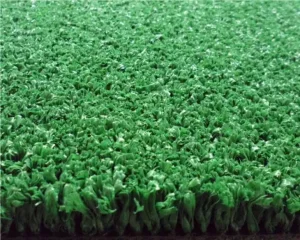
Wholesale High Quality Artificial Turf for Hockey Field Products, Suppliers
View Technical Specs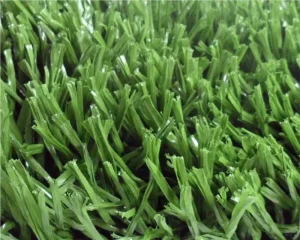
OEM FIFA Standard Synthetic Football Turf for Soccer Pitches Manufacturer, Products
View Technical Specs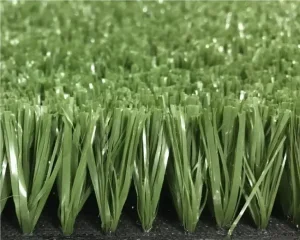
Buy Professional Sand Filled Putting Green Factories, Supplier
View Technical Specs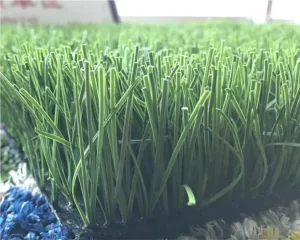
Buy Artificial Soccer Field Turf Factories, Suppliers
View Technical Specs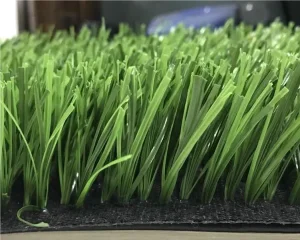
OEM Customized Affordable Artificial Football Turf Manufacturer, Factory
View Technical Specs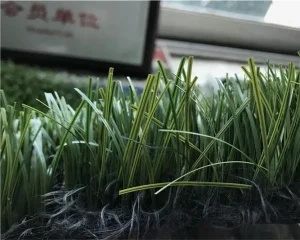
Buy Professional Fake Turf for Football Field Factories, Supplier
View Technical Specs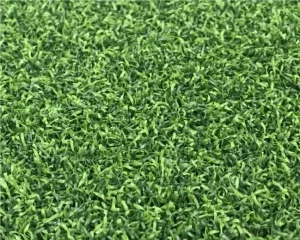
Wholesale Harmless Indoor Putting Green Turf Manufacturers, Manufacturer
View Technical Specs