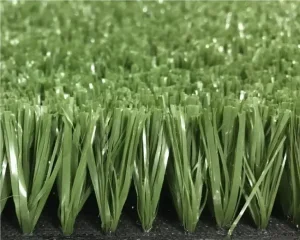
Precision Engineered Putting & Sports Turf Systems
Explore our industrial-grade synthetic turf portfolio engineered with premium polymer matrices, multi-sport high resilience, and international tournament compliance.
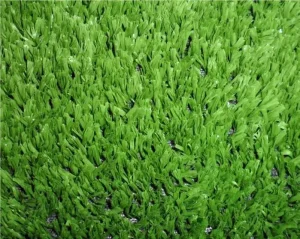
Wholesale ITF Approved Tencate Tennis Turf Factories, Factory
View Specifications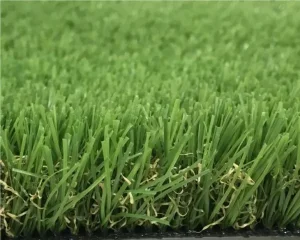
Buy Best Green Lawn Grass Safe And Non-toxic Products, Factories
View Specifications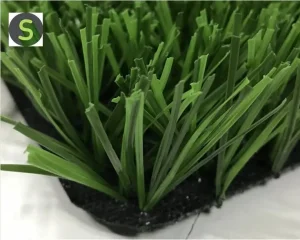
Wholesale FIFA Approved Artificial Turf for Soccer Field Manufacturers, Product
View Specifications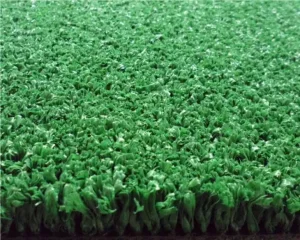
Wholesale High Quality Artificial Turf for Hockey Field Products, Suppliers
View Specifications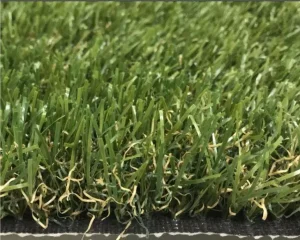
Buy Pet Artificial Grass manufacturer Product, Factories
View Specifications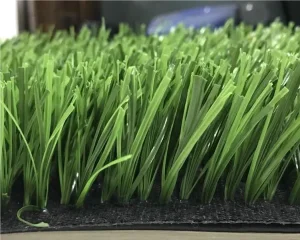
Buy Professional Football Fake Turf Manufacturer, Supplier
View Specifications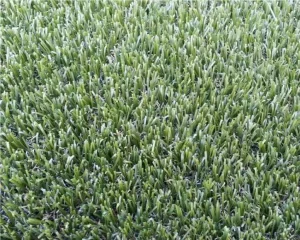
OEM High-Density UV-Resistant Artificial Grass Turf for Garden & Lawn Manufacturers, Product
View Specifications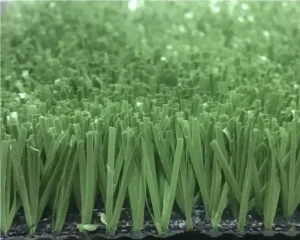
Wholesale Professional Synthetic Turf for Tennis Courts Manufacturer, Suppliers
View SpecificationsGlobal Enterprise Demands for Backyard Chipping Greens
Analyzing procurement behavioral shifts across real estate developments, high-end landscape architecture, sports facility contractors, and resort destinations.
The global demand for high-performance backyard chipping greens and residential golf complexes has experienced a marked technical transformation. Historically perceived as leisure landscape adornments, modern residential short-game systems are now commissioned under rigorous athletic engineering specifications. Civil engineers, golf academy operators, landscape architects, and real estate developers require precision greens capable of replicating PGA Tour green conditions. When procuring synthetic chipping and putting installations, institutional buyers do not merely look for visual greenery; they demand verifiable kinetic ball performance, consistent friction coefficiency, realistic wedge bite, and multi-decade polymer resilience against aggressive solar irradiation.
In the contemporary B2B market, commercial clients sourcing from artificial grass factories must resolve four critical procurement bottlenecks:
Kinetic Ball Reaction
Architects demand greens that hold high-lofted wedge shots from 40 to 100 yards out. True ball checking, spinning, and settling dynamics depend on specialized sand infill compaction and texturized monofilament density, eliminating unrealistic skidding.
Thermal Stability
Polymer expansion and contraction under thermal swings can induce puckering or grain distortion. Wholesale buyers require dimensionally stable primary backing fabrics (woven PP + fleece) coupled with advanced polyurethane or SBR secondary coatings.
Custom Stimpmeter Tuning
Commercial clients expect customizable green speeds ranging from 9.0 (country club average) to 12.5+ (championship standard). Speed regulation is governed by yarn texturization, stitch count, and rounded silica infill grading.
Factory Direct Economics
Cutting out domestic intermediary markups allows landscape contractors and sports engineering firms to secure high-margin project bids. Sourcing directly from an established manufacturing plant guarantees certified batch-to-batch yarn consistency.
Macro Architectural Solutions & Turf Physics
A professional chipping green is an integrated civil engineering system comprising sub-base hydrology, shock absorption, dual-density fibers, and spherical sand infill.
To successfully capture true golf ball dynamics, synthetic backyard chipping greens cannot be deployed simply as turf over soil. The assembly must perform as a multi-strata engineered envelope. When a wedge strike drives a golf ball downward at 7,000+ RPM backspin, the system must dissipate vertical kinetic force while sustaining rotational friction against the fiber tips to generate authentic "check and roll."
Factory-engineered specifications dictate the interoperation of four distinct technological layers:
1. Geotextile & Sub-Base Aggregate
Proper installations employ a 100–150 mm laser-graded aggregate foundation of crushed stone (crushed run / dynamic stone) capped with 10–15 mm granite fines. This base delivers rapid vertical water filtration (>1,800 mm/hour) preventing waterlogging and sub-surface frost heave.
2. Elastic Shock & Drainage Pads
For installations receiving chip shots from distances greater than 30 yards, an underlying 8–12 mm cross-linked closed-cell polyethylene (XPE) shock pad is deployed. It attenuates G-max impact levels, preventing hard-pan ball rebounds and simulating natural sod softness.
3. Texturized Yarn & Fringe Integration
The green surface requires 13–18 mm texturized Polypropylene (PP) or Polyamide (Nylon) at high stitch density (65,000–85,000 stitches/m²), framed by 30–45 mm multi-tone Polyethylene (PE) fringe/apron grass to emulate natural fairway and rough transitions.
| System Component | Material Engineering | Technical Specification | Kinetic & Environmental Function |
|---|---|---|---|
| Putting Green Surface | TenCate PP Texturized / Monofilament | 12 mm – 16 mm Pile, 3/16" Gauge | Uniform multi-directional ball roll; zero mechanical grain; Stimpmeter 10.5–12.0 |
| Chipping Collar / Fringe | PE Monofilament + Texturized Thatch | 25 mm – 35 mm Pile, C-Shape / W-Shape | Authentic club head deceleration on miss-hits; chip-and-run transition defense |
| Rough Border | Multi-Tone Heavyweight Polyethylene | 40 mm – 50 mm Pile, 12,000+ Dtex | Realistic deep rough simulation; high spring-back memory under foot traffic |
| Infill System | Sub-angular to Rounded Quartz Silica | 30/50 Mesh, Acrylic Coated / Raw | Stabilizes turf carpet; regulates rolling speed; locks wedge shots without fiber abrasion |
| Secondary Backing | Basalt-Fleece + Polyurethane Coating | Dual PP woven + BASF PU > 800 g/m² | Impervious to moisture degradation; tuft lock strength exceeds 45 Newtons |
Yarn Science: The Heart of Putting Durability
Decades of masterbatch compounding ensure that our synthetic golf and sports fibers outlast extreme UV, intense foot traffic, and repeated high-velocity iron strikes.
Drawing on the legacy of our parent company RiThai International—manufacturing synthetic filaments in Taipei since 1977—and over twenty years as an authorized TenCate partner, Suntex manufactures turf products engineered down to the molecular level. Putting greens present a unique tribological challenge: fibers must withstand direct UV exposure without becoming brittle, while resisting friction burn from high-speed golf balls and abrasive silica infill.
Our tufting facilities utilize computerized gauge lines capable of producing 6 mm to 75 mm pile heights. For chipping greens, fiber geometry is carefully calculated:
Curled Texturized PP
Engineered via controlled thermosetting. Fibrils interlock tightly to create an omnidirectional rolling matrix, eliminating directional ball pull and providing a true, uncorrupted roll line.
C-Shape Monofilament Fringe
The integrated structural spine acts as a micro-cantilever. When crushed by foot traffic or chipping wedges, it immediately rebounds upright without splitting or fraying along the axis.
Diamond Sports Core
Utilized in heavy multi-sport and tee-box zones. Diamond cross-sections exhibit enhanced micron thickness at the core, resisting high-impact shearing loads from repeated club contact.
HALS UV Stabilizers
Our proprietary masterbatch incorporates Hindered Amine Light Stabilizers (HALS) calibrated to exceed 5,000 hours of accelerated Xenon/QUV weathering (ASTM G154) without tensile fading.
Technical Roadmap: Next-Gen Synthetic Golf Surfaces
Pioneering circular eco-polymers, thermal dispersion technology, and robotic tufting precision to redefine commercial putting green sustainability.
100% Mono-Material Circularity
Conventional artificial turf bonds polyethylene fibers to latex backing, rendering post-consumer recycling difficult. Our engineering roadmap implements single-polymer PE assemblies (face yarn, primary backing, and hot-melt adhesive backing) enabling 100% closed-loop post-lifecycle regranulation without chemical separation.
Infrared Reflective Thermal Relief
Dark polymers absorb heavy infrared wavelengths, elevating putting surfaces above ambient temperature. By integrating sub-micron metal-oxide pigments into the monofilament sheath, our newest turf matrices reflect near-infrared radiation, cutting summer surface heat by 10°C to 15°C.
AI-Calibrated Tufting Density
Deploying automated visual camera sensors across our high-speed tufting lines guarantees micro-consistency in needle spacing and stitch count per square meter. Any deviation exceeding 0.05% triggers immediate machine micro-adjustment, guaranteeing flawless, ripple-free ball tracks.
Commercial Status & Global Supply Logistics
How North American, European, and Asia-Pacific markets are scaling residential golf infrastructures and optimizing container-load procurement.
The global artificial turf market is accelerating toward a projected market size exceeding USD $5.8 billion by 2030, driven in significant part by municipal water conservation measures and the explosion of private residential sports installations. In high-value regions such as the American Sunbelt (California, Arizona, Texas, Florida), municipal water authorities have enacted strict water consumption limits and turf removal rebates, prompting thousands of golf properties and private estate owners to transition permanent short-game training areas to synthetic greens.
Simultaneously, European landscape contractors operating under strict EU Green Deal criteria demand certified non-toxic, microplastic-safe systems. Sourcing artificial chipping greens at industrial scale requires strong logistics planning: 40-foot High Cube (40'HQ) containers can accommodate up to 6,000 to 8,000 square meters of texturized putting grass, depending on roll widths (typically 2.0m or 4.0m) and pile backing weights. By consolidating putting surfaces, fringe turf, and seam accessories into unified container loads, direct-from-mill buyers realize savings between 35% and 55% compared to purchasing from local third-party stockists.
North American Residential Boom
Driven by drought regulations and remote work lifestyles, private chipping complexes with multi-tier chipping pads have become prominent amenities in luxury suburban builds.
Commercial Hospitality & Resorts
Hotels, executive golf retreats, and rooftop venues are replacing high-maintenance real grass with commercial-grade synthetic greens to maintain pristine aesthetic appeal 365 days a year with zero fertilizer or mowing.
Optimized Container Logistics
Precision factory roll winding, tight core tubes, and waterproof poly-wrapping ensure zero creasing or edge compression damage during multi-week ocean transport across transatlantic and transpacific trade lanes.
Localized Compliance & Safety Certifications
Certified production protocols backed by international testing bodies guarantee your tenders, public bids, and private contracts navigate environmental scrutiny smoothly.
ISO 9001 · 14001 · 45001
Every roll of artificial grass originates in certified facilities governed by strict quality control, environmental waste management, and occupational health protocols since 2003.
PFAS-Free Verified
Strict laboratory testing (EN 17681 / EPA 537) confirms total absence of per- and polyfluoroalkyl substances (PFAS) and toxic fluorinated processing aids, satisfying California and EU chemical mandates.
Heavy Metal & REACH Safe
Verified free of lead, cadmium, mercury, and phthalates under European REACH regulations and US CPSIA guidelines, guaranteeing safety for families, pets, and groundwater reservoirs.
Fire Retardancy & Drainage
Tested under EN 13501-1 Class Cfl-s1 for fire protection in rooftop and commercial settings, with perforated backing delivering water drainage rates above 60 liters/min/m².
Frequently Asked Engineering & Sourcing Questions
In-depth responses to the technical, operational, and commercial questions raised by synthetic turf importers and civil contractors.
How does backyard chipping turf replicate natural green "bite" and "spin"?
True wedge bite depends on the synergy between turf fiber density and infill selection. A high-density texturized monofilament (e.g., 65,000+ stitches/m²) supported by a 5–8 kg/m² infill of rounded silica sand (30/50 mesh) absorbs vertical shock while gripping ball dimples upon impact. When struck with backspin, the friction of the sand-fiber matrix decelerates the ball, mirroring natural bentgrass check-and-roll behavior.
What is the optimal pile height for residential backyard chipping and putting greens?
For the central putting surface, 13 mm to 16 mm curled texturized polypropylene (PP) or nylon provides the truest roll and adjustable stimp speeds. Surrounding collars and chipping aprons perform best at 25 mm to 32 mm pile heights, while rough boundaries utilize 38 mm to 45 mm high-density polyethylene (PE) to train short-game recovery and chip shots.
Why is rounded quartz sand preferred over raw angular sand infill?
Angular silica sand features sharp, abrasive edges that slice through synthetic fibers under regular foot traffic, accelerating fiber breakdown and compacting into an impenetrable hardpan. Rounded quartz sand (such as ceramic-coated or washed round silica) settles evenly between texturized fibers without cutting the yarn, maintaining drainage and consistent speed regulation.
What Stimpmeter reading can be maintained on Suntex putting greens?
Our surfaces are engineered to achieve Stimpmeter speeds between 9.5 and 12.5. Green speed is precisely dialed in during installation: heavier rolling and compacting of the silica infill increases the speed to 11.5–12.5 (PGA tournament green equivalent), while light grooming keeps speeds around 9.5 to 10.5 for relaxed residential play.
Are Suntex putting turf systems completely free from PFAS and heavy metals?
Yes. Suntex turf lines undergo extensive third-party testing to verify zero per- and polyfluoroalkyl substances (PFAS-free) and zero heavy metal content (Lead, Cadmium, Zinc). We supply full laboratory test reports with every wholesale container order to satisfy municipal codes, school district mandates, and international REACH requirements.
Can you provide custom roll cuts and OEM private labeling for distributors?
Yes. We specialize in contract manufacturing for international distributors, landscape turf brands, and golf academies. We support custom roll lengths (cut to layout dimensions to minimize installation seam waste), customized yarn coloration, private-branded wrapping film, insert instruction sheets, and custom tufted line markings.
How does the backing structure prevent puckering under extreme summer heat?
We use a composite primary backing of UV-stabilized woven polypropylene interlocked with non-woven fleece, coated with premium polyurethane (PU) or carboxylated SBR latex. This multi-ply assembly resists thermal elongation, preventing expansion bubbling and edge curling even in ambient desert temperatures exceeding 45°C.
What is the minimum order quantity (MOQ) and lead time for factory-direct orders?
Standard stock specifications require an MOQ of 500 to 1,000 square meters. Fully customized OEM specifications (bespoke pile height, stitch gauge, yarn polymer blends) require an MOQ of 2,000 square meters. Manufacturing lead times typically average 14 to 21 days from order confirmation to container departure at port.
High-Performance Sports & Specialized Turf Series
Complete your facility with tournament-approved football systems, sand-filled multi-sport grounds, and pet-friendly perimeter landscape turfs.
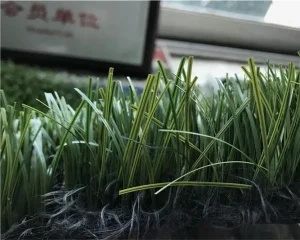
Buy Professional Fake Turf for Football Field Factories, Supplier
View Specifications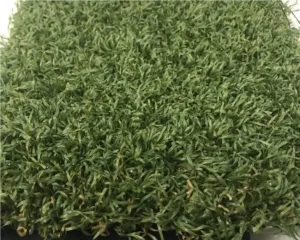
OEM Non-Infill Multi-Sport Artificial Turf Manufacturers, Products
View Specifications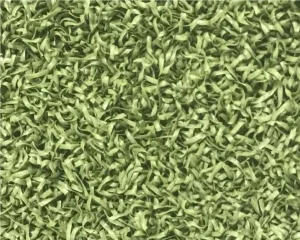
OEM FIH Approved Professional Hockey Turf Manufacturer, Factory
View Specifications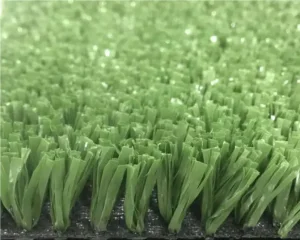
Buy Sand Filled Multi-artificial grass Manufacturer, Supplier
View Specifications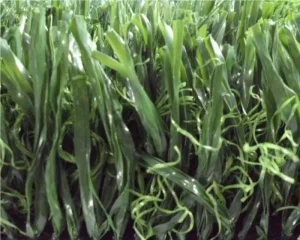
Buy Artificial Baseball Turf manufacturer Product, Factories
View Specifications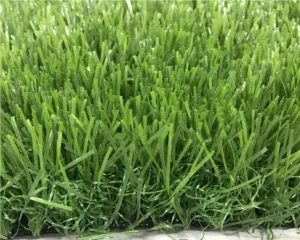
Buy Easy To Clean And Dry Up Fake Grass for Dogs Product, Suppliers
View Specifications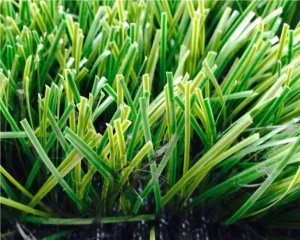
Buy Turf Soccer Field With Good Toughness Factories, Supplier
View Specifications