Engineered Canine Turf & Sports Field Systems
Direct B2B factory allocations engineered with heavy-metal-free extrusion, advanced antimicrobial polymer chemistry, and extreme permeability backings.
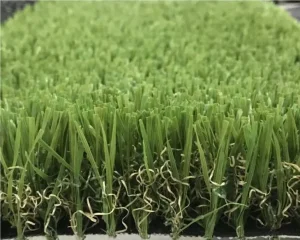
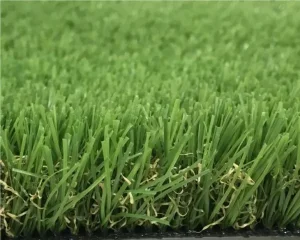
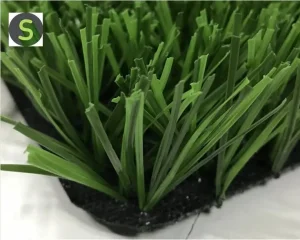
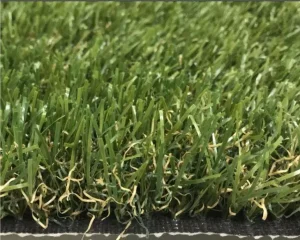
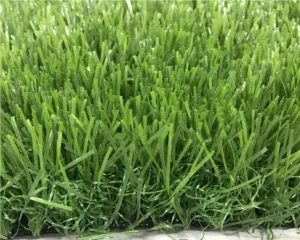
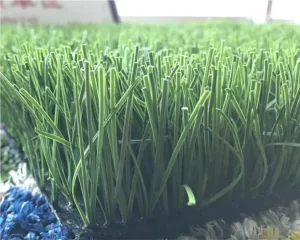
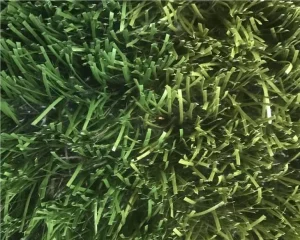
Global Commercial Landscape: The Evolution of Pet Turf Manufacturing
Urban densification, expanding commercial pet daycare operations, and stringent environmental policies are shifting artificial turf production from standard landscape greenery to biomechanically resilient canine run infrastructure.
The global synthetic turf sector has witnessed a profound transformation over the past decade. Where early installations relied on repurposed landscape grass containing simple perforated latex backings, the rapid surge in high-traffic canine facilities—ranging from multi-family residential relief stations to commercial veterinary compounds and boarding resorts—has exposed the structural inadequacies of legacy turf. Dogs present unique tribological, biochemical, and physical stresses: intense point-load kinetic forces from digging and sprinting, exposure to high-uric-acid bio-waste, and recurring chemical washdowns. Consequently, industrial tier-one manufacturers have transitioned toward dedicated, highly specialized K9 Artificial Turf Production Protocols.
Today, tier-one manufacturing entities integrate extruded polyolefin polymers (PE, PP, PA) reinforced with inorganic biocidal additives and light stabilizers directly into the polymer matrix during masterbatch blending. This continuous molecular integration ensures that antibacterial properties are permanent rather than topically sprayed. Furthermore, backed by the parent group's heritage in nylon and polyolefin synthesis dating back to 1977, state-of-the-art facilities produce proprietary yarn geometries specifically calibrated to resist matting under repeated animal traffic while eliminating toxic phthalates, PFAS compounds, and leachable heavy metals.
Macro Engineering Framework: Structural Pillars of Canine Synthetic Turf
How modern extrusion chemistry, specialized yarn mechanics, and high-flow backing substrates mitigate bacterial colonization and hydraulic failure.
Molecular Polymer Integrity
Utilizing high-purity virgin polyethylene (PE) combined with textured polypropylene (PP) thatch, our fibers integrate zinc pyrithione or silver-ion antimicrobial masterbatches. This inhibits the enzymatic breakdown of urea into volatile ammonia, suppressing offensive odors at a cellular level.
Non-Directional Blade Geometry
Engineered blade profiles (such as W-Shape, C-Shape, and reinforced diamond stems) disperse concentrated weight distribution. These shapes prevent blade collapse from aggressive paw traffic, maintaining vertical posture that allows liquid waste to pass down cleanly to the base.
Permeable Drainage Backings
Moving away from standard punched-hole SBR latex, advanced K9 systems utilize 100% polyurethane (PU) or woven permeable composite backings. This delivers continuous, omnidirectional drainage rates exceeding 1,200 mm/hour, preventing liquid pooling and microbial breeding.
Localized Application Scenarios & Engineering Implementations
Balancing foot-traffic density, environmental factors, and sanitation protocols across varied municipal and commercial deployments.
Commercial Dog Daycares
Challenge: Continuous chemical cleaning, intense foot traffic, and heavy bio-waste volume.
Solution: 25-28 mm short-pile PE/PP system with full PU backing over an elevated open-grid grid sub-drain tile system, enabling rapid flushing and instant disinfection.
Urban High-Rise Roof Decks
Challenge: Strict load limits, wind uplift vulnerability, and non-soil drainage limitations.
Solution: Lightweight monolithic K9 turf integrated with an engineered air-cushion drainage grid, channeling liquids directly into building graywater connections without odor retention.
Municipal K9 Dog Parks
Challenge: Aggressive claws, heavy running loads, and zero indoor climate protection.
Solution: High Dtex monofilament fibers (10,000–12,000 Dtex) with high tuft withdrawal forces (>65 N), utilizing non-toxic antimicrobial infill and compacted aggregate aggregate bases.
Veterinary Clinics & Kennels
Challenge: Strict clinical biosafety, quarantine isolation, and transmission risks.
Solution: Non-porous fiber builds treated with broad-spectrum hospital-grade antibacterial agents, engineered to withstand daily quaternary ammonium sanitizers.
Technology Roadmap: The Future of Dog Run Turf Engineering
A multi-phase innovation trajectory delivering circular economy compliance, evaporative cooling surfaces, and smart sensory substrate monitoring.
Phase 1: Solar Heat Dissipation
Synthetic fibers can experience elevated surface temperatures under intense sunlight. Forward-looking formulations utilize IR-reflective core pigments, reducing surface temperatures by 10°C to 15°C compared to conventional turf, safeguarding animal paw pads during peak summer cycles.
Phase 2: 100% Single-Polymer Recyclability
Traditional turf fuses PE fibers to latex or PU backings, making mechanical recycling difficult. The next generation introduces 100% pure Polyolefin systems (monomaterial PE face + PE backing), enabling complete post-consumer melt reprocessing without resin separation.
Phase 3: Enzymatic Bio-Active Backings
Research is progressing into time-release encapsulated bacterial enzymes built directly into the tufting layer. These non-pathogenic spore enzymes activate upon contact with moisture and uric acid, continuously digesting organic compounds and breaking down odor-causing uric salts.
B2B Technical Sourcing & Engineering FAQ
Essential guidance for landscape architects, facility operators, and commercial importers evaluating factory-direct synthetic pet turf systems.
Why is standard landscape grass unsuitable for high-density canine dog runs?
Standard landscaping grass is engineered primarily for visual appeal, soft skin touch, and moderate residential foot traffic. It typically features higher pile heights (35-50 mm) and standard hole-punched SBR latex backings. When subjected to dogs, long fibers trap solid waste, make sanitization difficult, and quickly mat down under running loads. Moreover, latex can absorb dog urine, causing sulfur-ammonia crystallization within the backing that produces permanent odors. Pet-specific turf uses shorter, resilient fibers (20-30 mm), dense thatch, and impermeable PU or high-flow woven backings that do not absorb moisture.
What tuft withdrawal force is required to prevent tearing by aggressive dogs?
Canine claws generate high shear loads. Commercial dog runs demand a tuft lock (withdrawal force) exceeding 45 N for standard residential use and greater than 65 N to 80 N for commercial daycare and municipal park operations. Suntex achieves these values by using advanced secondary polyurethane backing coats and high-density needle stitch rates, ensuring that fibers remain anchored even when subjected to intense digging behaviors.
How should sub-base drainage systems be detailed for commercial K9 turf projects?
Sub-base engineering is vital. For outdoor dog runs on native soils, the ideal assembly consists of a 75-100 mm compacted base of angular crushed stone (open-graded aggregate, e.g., 20 mm clean stone), capped with a 25 mm layer of finer angular screening stone. We advise against using decomposed granite, concrete sand, or fine dirt beneath pet turf, as fine particles pack tight and trap uric acid salts, resulting in long-term odor buildup. For concrete slabs or roof decks, installing an elevated dimpled poly drainage cell (10-20 mm profile) beneath the turf provides the necessary air and water channel to direct washdowns cleanly to floor drains.
What are the compliance and non-toxicity testing benchmarks for OEM pet turf imports?
Commercial buyers should demand independent third-party laboratory verification (such as SGS or TÜV) confirming compliance with REACH 235 substances of very high concern (SVHC), RoHS regulations for heavy metals (lead, cadmium, mercury, hexavalent chromium), and total fluorine content testing (PFAS-Free compliance). Because dogs ingest grass fibers or lick the ground, the total extraction profile must prove zero chemical transfer, non-skin-irritant status, and compliance with the ASTM F963-17 / EN 71-3 safety directives.
Specialized Sports, Landscape & Multi-Functional Turf Inventory
Explore our comprehensive industrial manufacturing catalog, providing international logistics, direct container loads, and custom specifications.