⛳ Strategic Procurement: Understanding Artificial Putting Green Costs
In the landscape of modern golf facility development, the artificial putting green cost is often misunderstood as a simple price-per-square-meter calculation. As a veteran in the synthetic turf industry, I define the "cost" through the lens of Lifecycle Value (LCV) rather than initial capital expenditure. For commercial developers and residential homeowners alike, the investment reflects a synergy of advanced polymer engineering, specialized tufting density, and R&D investment that ensures consistent ball roll (Stimp speed) and UV resistance over a decade-long lifespan.
🏭 The China Factory Efficiency Advantage
Vertical Integration
Unlike regional resellers, our factory controls the entire chain from raw nylon/PE monofilament extrusion to custom tufting, eliminating intermediary markups.
Economies of Scale
Leveraging high-capacity industrial lines allows us to produce standardized, tournament-grade putting surfaces at a fraction of the cost found in European or American manufacturing hubs.
R&D Agility
We rapidly prototype new yarn profiles, allowing clients to request specific "non-infill" or "high-density" specs that align precisely with their target budget requirements.
Global Logistics
With 22+ years of expertise in shipping to over 30 countries, we optimize container space and utilize strategic port proximity to keep your landed cost competitive.
📈 Industry Trends & Future Outlook
The global artificial putting green market is shifting from "leisure play" to "performance-centric" standards. Industrial applications in corporate offices and professional training academies now prioritize PFAS-free compliance and environmental sustainability. Enterprises are no longer just asking "how much," but "how long can this stay green under intense UV load." Our commitment to TenCate yarn and ISO-certified quality management ensures that we provide the Information Gain needed for stakeholders to justify high-performance procurement.
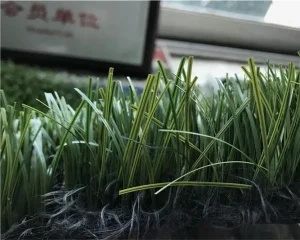
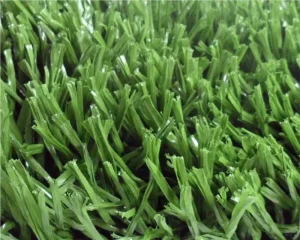
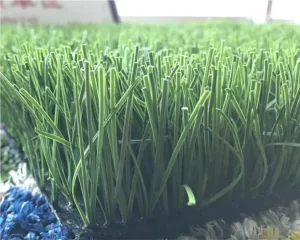
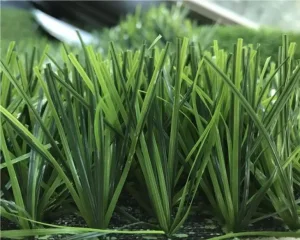
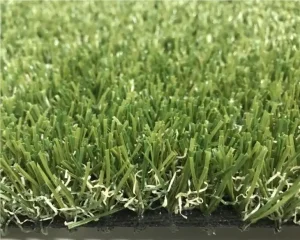
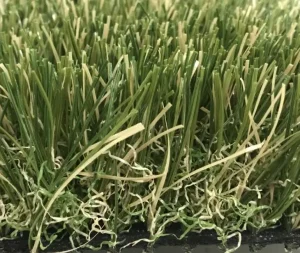
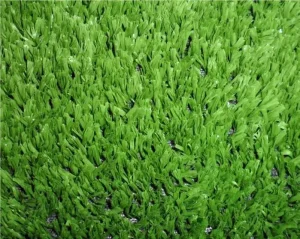
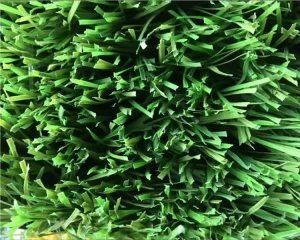
🛠 Product Showcase
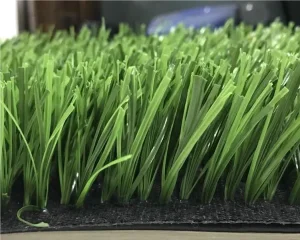
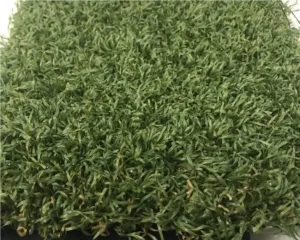
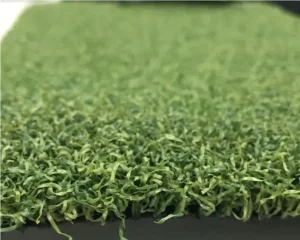
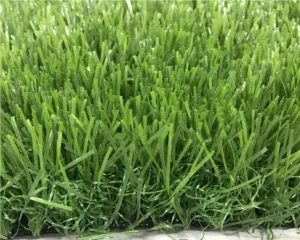
❓ Frequently Asked Questions
Q: What is the primary factor influencing artificial putting green cost?
A: The primary drivers are yarn composition (polypropylene vs. nylon), stitch density (higher density = more yarn used), and the complexity of the backing system used for drainage.
Q: Why should B2B buyers choose a direct factory?
A: Direct sourcing provides transparency in raw materials, lower costs, and the ability to tailor products for specific climate conditions (e.g., high-heat resistance for Middle East markets).