High-Performance Synthetic Pet & Sports Turf Series
Direct from Taiwanese-invested precision tufting facilities since 2002. Tested for rapid effluent transit, extreme tear strength, and zero heavy metal leaching.
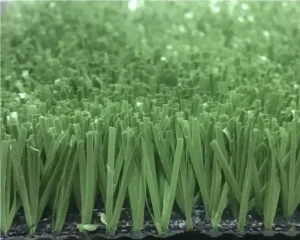
Wholesale Professional Synthetic Turf for Tennis Courts Manufacturer, Suppliers
Explore Specifications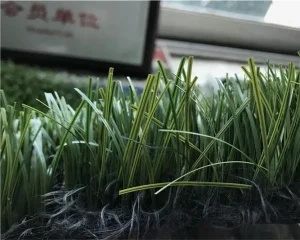
Buy Professional Fake Turf for Football Field Factories, Supplier
Explore Specifications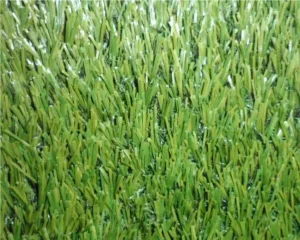
Wholesale Artificial Baseball Turf Factories, Suppliers
Explore Specifications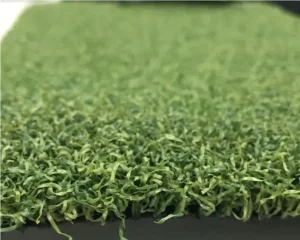
OEM Non-Sand Filled Golf Putting Green Product, Factory
Explore Specifications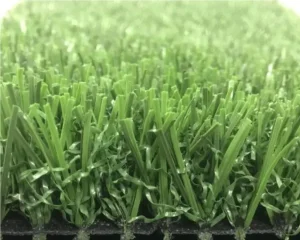
Wholesale New Developed Best Multi-sports Turf Products, Product
Explore Specifications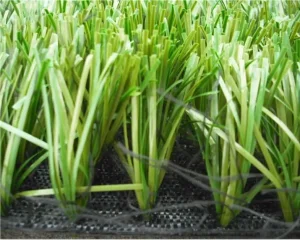
Buy Wear-resistant TenCate Football Turf Product, Factory
Explore Specifications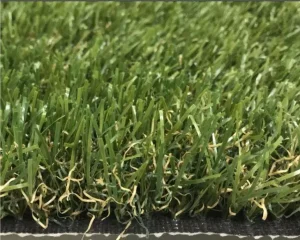
Buy Pet Artificial Grass manufacturer Product, Factories
Explore Specifications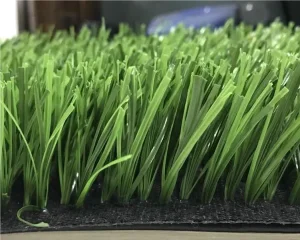
OEM Customized Affordable Artificial Football Turf Manufacturer, Factory
Explore SpecificationsMacro Dynamics of Dog Waste Turf Management
A comprehensive examination of why municipal and commercial asset managers are replacing traditional sod with engineered synthetic pet turf systems.
Biochemical Degradation & Odor Control
Canine urine possesses high nitrogen concentrations and urea crystals, creating severe nitrogen burns in natural sod and bacterial colonies in unvented latex backings. Specialized dog pee artificial turf integrates inorganic antimicrobial agents directly into masterbatch extrusions, inhibiting microbial volatilization into noxious ammonia gas.
Regulatory & PFAS Compliance
With environmental oversight bodies across the European Union (REACH) and North America enforcing aggressive restrictions on per- and polyfluoroalkyl substances, artificial grass dog pee products must guarantee complete PFAS-free yarn and solvent-free backing formulations. Compliance protects commercial clients against tender rejections.
Hydraulic Porosity Requirements
Traditional synthetic grass delivers drainage permeability between 30–50 liters/min/m² through discrete punched holes. High-density pet grass requires either micro-matrix drainage membranes or 100% permeable polyolefin backings capable of evacuating over 300+ liters/min/m², preventing pooling and urine saturation.
Drainage Mechanics: Traditional Latex vs Advanced Polyurethane/PP Backing
Why conventional punched latex fails under recurring liquid canine waste exposure, and how proprietary backing structures eliminate sub-base contamination.
| Performance Criterion | Standard Punched Latex Turf | Proprietary Pet Polyurethane (PU) | Fully Permeable Monofilament Grid |
|---|---|---|---|
| Hydraulic Drainage Profile | Punched holes every 10–15 cm (40 L/min/m²) | Edge-to-edge micro-pores (250 L/min/m²) | 100% grid permeable (>600 L/min/m²) |
| Ammonia Salt Retention | High (Liquid traps in secondary latex) | Low (Closed-cell non-absorptive) | Zero (Free gravitational evacuation) |
| Tear Resistance to Claws (N) | 35–45 N (Prone to delamination) | 65–75 N (Thermally bonded) | >85 N (Reinforced high-tenacity yarn) |
| Hydrolysis Breakdown Resistance | Degrades within 3–4 years in moist climates | Chemically inert to organic acids | Chemically non-reactive across pH 3–11 |
| Recommended Commercial Infill | Silica sand (traps odors) | Coated zeolite or non-porous antimicrobial | Antimicrobial zeolite with enzyme rinse |
When selecting artificial grass specifically engineered for canine bathroom areas, polymer selection directly dictates operational longevity. Standard polypropylene (PP) fibers suffer premature brittleness under exposure to acidic animal secretions, whereas our stabilized Polyethylene (PE) monofilament with specialized cross-sectional profiles (such as C-Shape and W-Shape structures) provides elastic resilience against constant paw compaction while facilitating unobstructed fluid displacement toward the base gravel.
Precision Extrusion, High Tufting Efficiency & Global Supply Chain
Leveraging Taiwanese synthetic polymer lineage from parent company RiThai International (since 1977) combined with integrated production in Kunshan, China.
50-Year Monofilament Heritage
Unlike secondary assembly mills that buy unknown third-party fiber, our supply chain is rooted in RiThai's five decades of nylon and polyolefin monofilament extrusion. We formulate proprietary UV masterbatch batches that resist harsh equatorial solar degradation.
High Tufting Cadence & Cost Scale
Our Kunshan manufacturing hub operates multi-gauge tufting equipment capable of handling short-pile non-directional pet systems up to 75mm sports pitches. Scale economies deliver 25–40% cost efficiency over domestic European or US extruders without compromising TenCate raw yarn standards.
Certified ISO Quality Systems
Manufacturing adheres strictly to ISO 9001 (Quality Management), ISO 14001 (Environmental Systems), and ISO 45001 (Occupational Safety). Every container is shipped with batch-specific QA records verifying tensile strength, tuft lock resistance, and verified non-toxicity.
High-Yield Deployment Scenarios for Dog Waste Turf Systems
Engineering installations tailored to specific high-traffic commercial, residential, and civic environments.
Commercial Kennels & Veterinary Clinics
Demands continuous chemical washdown, extreme bleach-resistance, and anti-static tufting. Short pile heights (20–25 mm) optimize rapid solid waste pickup and daily deep disinfectant flushing.
Urban Rooftop & High-Rise Pet Relief
Designed over suspended drainage deck tiles. Lightweight fully permeable backing allows dog urine to pass directly into floor drains without pooling on concrete slab balconies.
Municipal K9 Parks & Public Zones
Focuses on maximum wear resistance against digging and running. High tuft bind strength (>75N) stops aggressive dogs from tearing up yarn loops or ingesting polymer fragments.
Pet-Friendly Hospitality Venues
Luxury hotels and outdoor dining plazas require lush 30–35 mm aesthetics with dual-tone thatch layers to mirror pristine grass while ensuring fast liquid transit and odor neutrality.
Emerging Trends in Pet Turf Engineering & Enterprise Procurement
Strategic purchasing indicators driving wholesale distributor tenders and architectural specifications.
Circular Economy & Single-Polymer Recycling
Traditional turf bonds PE blades to SBR latex, making post-consumer recycling impossible without expensive separation. The industry is rapidly shifting to 100% Polyolefin mono-material designs where backing and blades are melted together at end-of-life for true closed-loop recycling.
Thermal Dissipation & Cool Fiber Technologies
Synthetic lawns can reach temperatures up to 60°C under direct summer heat, posing burn hazards to canine paws. Leading buyers demand infra-red reflective pigments and hollow/curved core profiles that drop surface temperatures by 10–15°C compared to conventional turf fibers.
Custom OEM Roll Dimensions & Private Labeling
B2B importers increasingly demand custom-width rolls (e.g., 2m, 3.75m, or 4m) paired with customized retail-ready packaging and localized branding, minimizing on-site job cutting waste and reducing logistics handling overhead.
Frequently Asked Technical Questions
Critical considerations for landscape architects, facility operators, and commercial purchasers.
How does artificial grass engineered for dog pee prevent persistent ammonia odor?
What sub-base preparation is required for high-traffic dog relief zones?
Will dog claws and intensive digging unravel the synthetic turf fibers?
Can standard infill silica sand be utilized on artificial grass dog pee systems?
Are your artificial turf products certified PFAS-free and safe for animals?
What is the minimum order quantity (MOQ) and lead time for factory OEM orders?
Specialized Artificial Turf Applications & Solutions
From golf greens and hockey turf to FIFA-grade soccer surfaces and safe kindergarten lawn solutions.
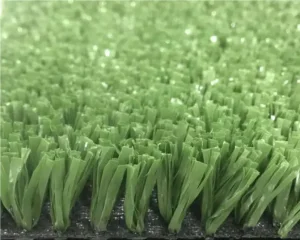
Buy Sand Filled Multi-artificial grass Manufacturer, Supplier
Explore Specifications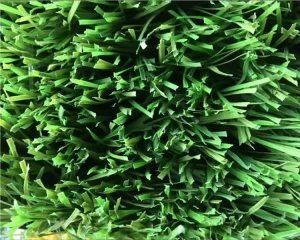
Wholesale High Quality Football Field Grass Manufacturers, Product
Explore Specifications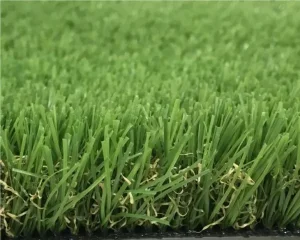
Buy Best Green Lawn Grass Safe And Non-toxic Products, Factories
Explore Specifications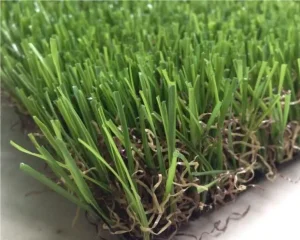
OEM High Quality Multipurpose Golf Rough Grass Factory, Suppliers
Explore Specifications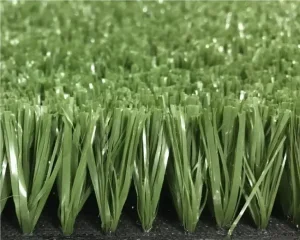
Buy Professional Sand Filled Putting Green Factories, Supplier
Explore Specifications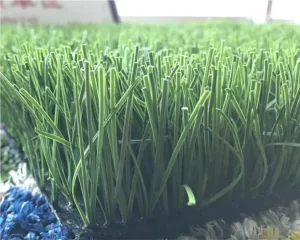
Buy Artificial Soccer Field Turf Factories, Suppliers
Explore Specifications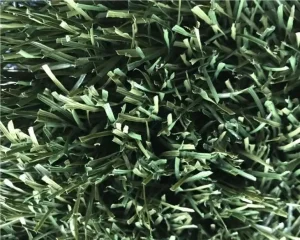
Buy FIFA Approved Turf Football Field Manufacturer, Products
Explore Specifications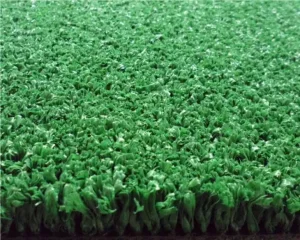
Wholesale High Quality Artificial Turf for Hockey Field Products, Suppliers
Explore SpecificationsRequest Engineered Pet Turf Samples & OEM Specifications
Speak directly with polymer engineers to configure custom roll widths, micro-perforated drain backings, antimicrobial masterbatch additives, and export container pricing.